
Serious Security Flaw in Google Fast Pair Endangers Wireless Device Owners

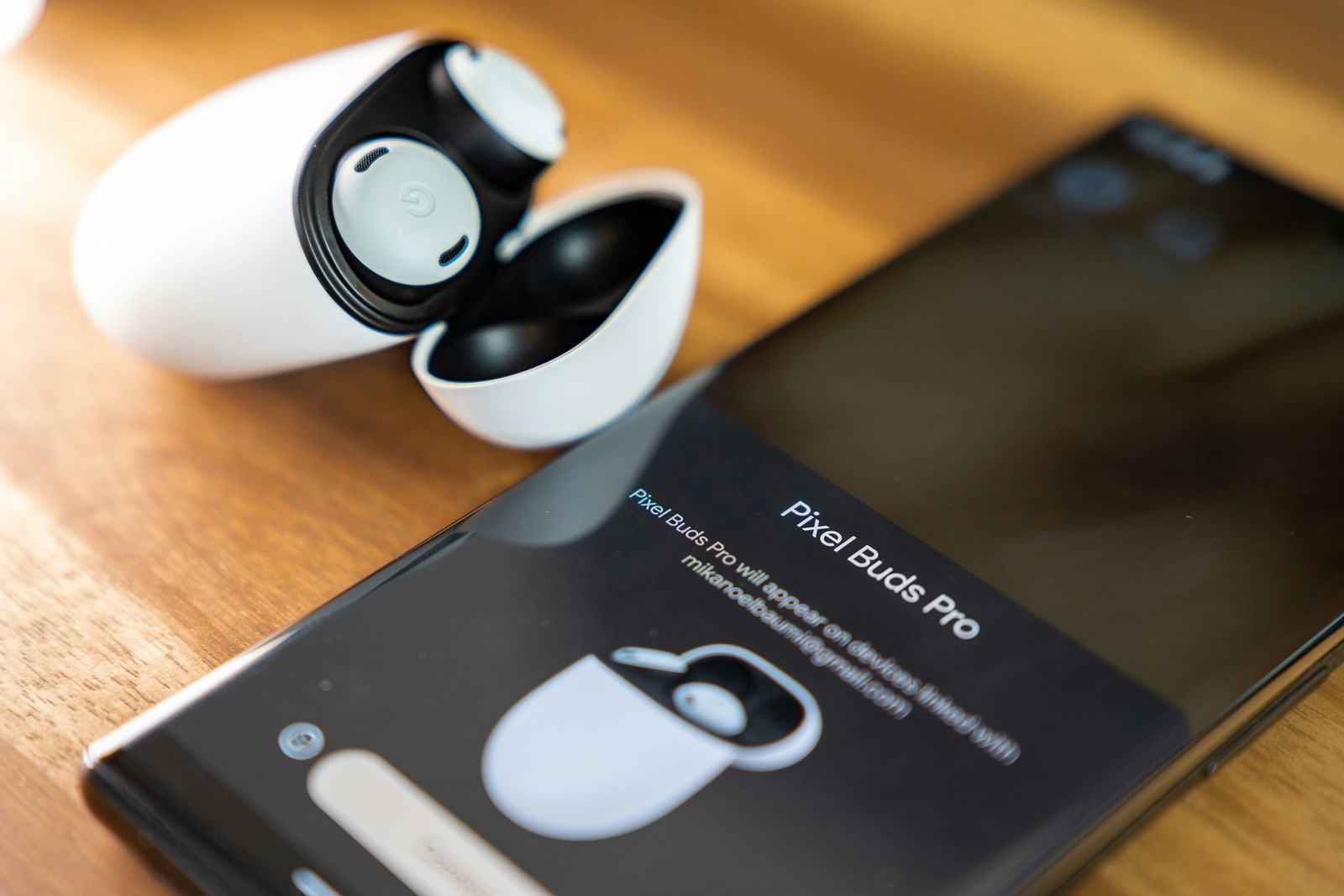
Security researchers have uncovered a critical vulnerability in the widely used Google Fast Pair protocol that leaves millions of Bluetooth users exposed to potential hacking. A team from KU Leuven University in Belgium identified the flaw and named it WhisperPair. This security gap allows attackers to hijack a variety of wireless headphones and speakers without ever needing the user to physically interact with the device. The exploit targets a weakness in how these accessories communicate with Android smartphones during the initial connection process. It affects a broad range of popular audio equipment from major manufacturers.
The core of the problem lies in the implementation of the Fast Pair standard by various hardware companies. Under normal circumstances, a device should only accept a pairing request when the user has specifically placed it into pairing mode. However, the researchers discovered that many flagship products skip this essential verification step entirely. This oversight means that a hacker within Bluetooth range can force a connection to your earbuds or speakers in a matter of seconds. Sayon Duttagupta, one of the lead researchers on the project, noted that an attacker could gain control while you are simply walking down the street listening to music.
Once a malicious actor establishes this forced connection, the potential consequences for the victim are severe and invasive. The attacker can immediately take control of the audio stream to play deafeningly loud sounds or inject other audio content. More alarmingly, they can activate the built-in microphone to eavesdrop on private conversations and ambient surroundings. This intrusion happens silently and often leaves the user unaware that their device has been compromised. The attack requires only a standard Bluetooth-enabled device like a laptop or smartphone to execute.
Beyond immediate audio hijacking, the WhisperPair vulnerability introduces a significant privacy risk involving location tracking. If an accessory has not yet been paired with a Google account, an attacker can link the stolen device to their own profile. This action registers the accessory on the Google Find Hub network and allows the hacker to track the victim’s movements wherever they go. The victim might eventually receive a tracking notification, but it often identifies their own device as the source of the alert. This confusion may lead users to dismiss the warning as a technical glitch rather than a genuine security threat.
The list of affected brands includes industry giants such as Sony, JBL, Xiaomi, and even Google’s own Pixel Buds. Google has acknowledged the severity of the issue and assigned it the tracking identifier CVE-2025-36911. While the tech giant has released updates for Android phones to help mitigate the risk, the root cause remains in the firmware of the accessories themselves. Therefore, patching the smartphone is not enough to fully secure the ecosystem. Users must manually update the software on their headphones and speakers to close the security hole.
Please let us know in the comments if you have checked your wireless devices for the latest firmware updates.


