Samsung Addresses Galaxy S26 Ultra Camera Flaws

Samsung engineers have developed solutions for persistent camera issues in the Galaxy S Ultra lineup, targeting lens flare and inaccurate skin tone rendering for the upcoming Galaxy S26 Ultra. These fixes involve advanced coating technologies on lens elements to minimize internal reflections that cause flare artifacts in bright light conditions. Software algorithms will adjust white balance and color processing to produce more natural yellow undertones in portraits, addressing complaints from previous models. The improvements stem from user feedback and comparative testing against competitors like the iPhone series. Samsung aims to implement these enhancements without increasing production costs significantly.
Lens flare has affected Galaxy S Ultra devices when shooting against strong light sources, creating unwanted streaks or ghosts across images. The new multi-layer anti-reflective coatings reduce light scattering within the periscope telephoto module, which features a folded optics design prone to such problems. Samsung’s in-house testing shows up to 80 percent reduction in flare intensity under controlled conditions. This hardware approach complements existing software mitigations like HDR processing and scene optimization. The Galaxy S26 Ultra’s 200-megapixel main sensor will benefit most from these changes.
Skin tone accuracy remains a challenge for smartphone cameras due to sensor spectral sensitivity and processing pipelines. Samsung’s updated algorithms incorporate expanded training datasets with diverse skin types under various lighting. The system prioritizes warmer yellow undertones common in Asian portraits while maintaining neutrality for other complexions. Real-time preview adjustments ensure consistency between viewfinder and final output. These refinements build on Galaxy AI features introduced in the S25 series.
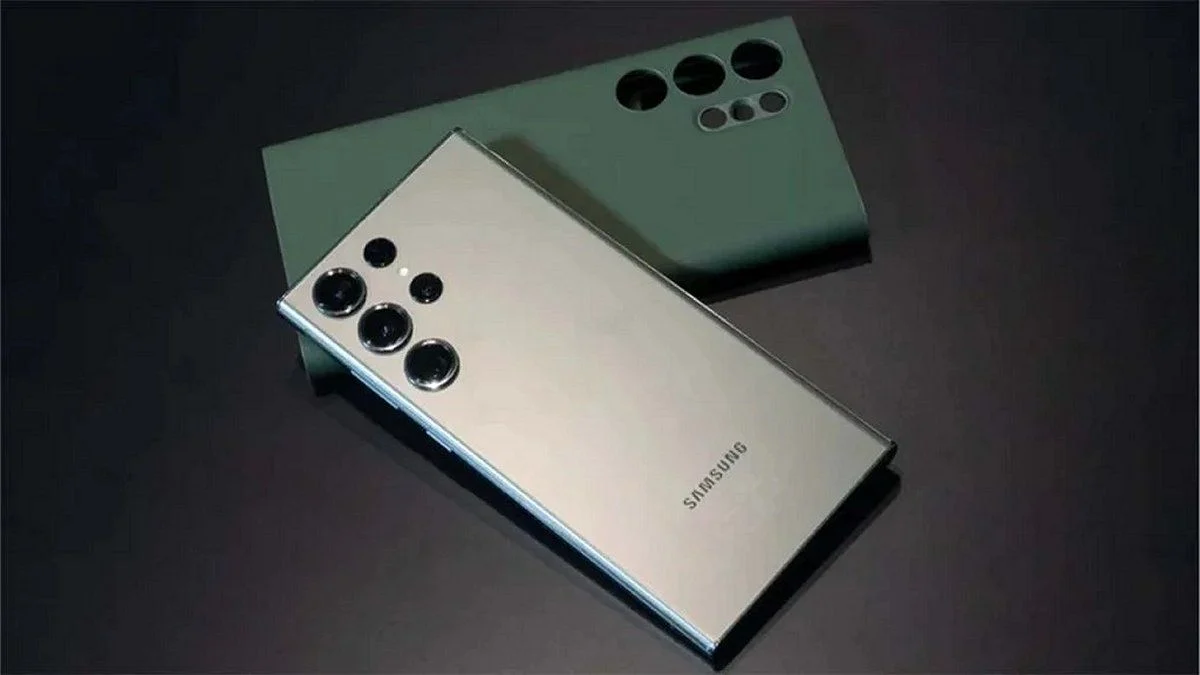
The Galaxy S26 Ultra is expected to retain a quad-camera setup with a 200-megapixel primary sensor, 50-megapixel ultrawide, and dual telephoto lenses offering 3x and 5x optical zoom. Integration with the Snapdragon 8 Elite successor chipset enables on-device processing for the new corrections. Samsung plans to preview these camera capabilities ahead of the anticipated January 2026 unveiling. Production partners have begun applying the specialized lens coatings.
This development positions Samsung to regain ground in mobile photography rankings, where recent Ultra models faced criticism for flare and color inconsistencies despite high-resolution hardware. Competitors continue advancing with larger sensors and computational techniques. Samsung’s dual hardware-software strategy targets reliable performance across scenarios. Early samples suggest meaningful progress in challenging conditions like backlit portraits and concert lighting.
Broader industry trends show manufacturers prioritizing optical quality amid maturing sensor technology. Samsung’s investment in custom coatings and tuned algorithms reflects commitment to flagship differentiation. The Galaxy S26 Ultra will support 8K video recording with stabilized zoom. Availability in the US market targets early 2026 following global launch. These camera enhancements align with consumer demands for dependable imaging without post-processing reliance.