Oppo Executives Claim Artificial Intelligence Is The Future Of Mobile Photography

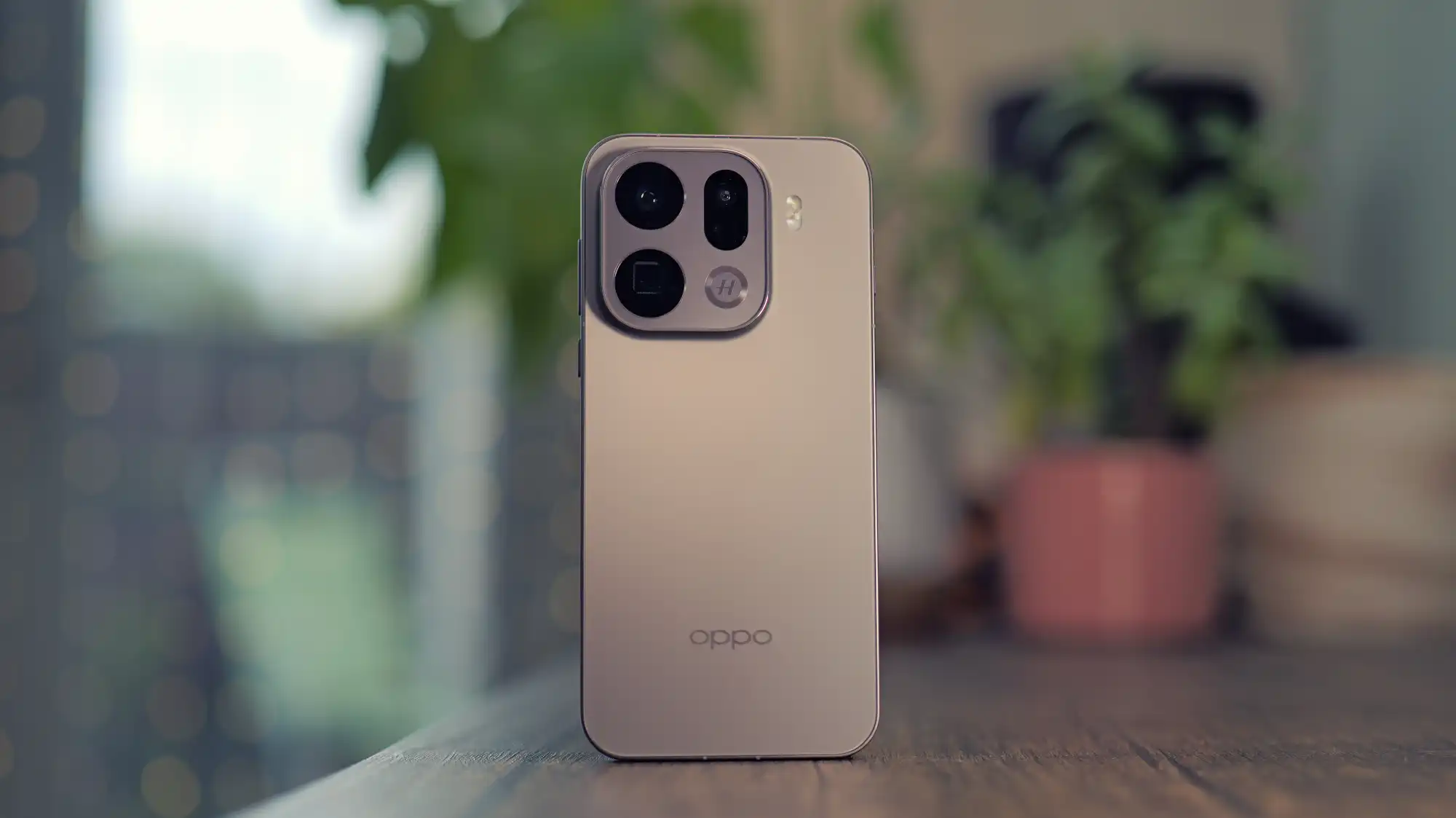
The debate regarding artificial intelligence in creative fields continues to grow as smartphone manufacturers push the boundaries of what these pocket-sized devices can achieve. Oppo has taken a firm stance on this technology and claims that AI is essential for the future of mobile imaging. Simon Liu serves as the Global Imaging Director for the company and recently shared his thoughts in an interview with India Today Tech. He believes that the industry is only at the beginning of this technological evolution. The integration of AI is not just a trend but a necessary step to overcome physical limitations found in modern handsets.
Smartphone cameras face significant hardware constraints compared to traditional photography equipment like DSLRs or mirrorless cameras. The sensors inside a phone are naturally much smaller due to the compact size of the device itself. Manufacturers must rely on software magic to interpret data and produce high-quality images that rival professional gear. Liu explains that this reliance on computational photography allows companies to bridge the gap between raw optical data and human perception. This means the software works to recreate what the human eye perceives rather than just what the sensor captures.
A common example provided by the director involves photographing the moon. A standard lens might capture a small and bright dot that looks nothing like the large and luminous orb we see with our naked eyes. AI helps adjust the image to match the memory or feeling of the scene rather than the cold reality of the optical input. This philosophy suggests that accuracy in photography is less about technical precision and more about capturing the essence of a moment. Oppo argues that this approach enhances the user experience by delivering photos that feel more authentic to the photographer.
Liu acknowledges that this powerful technology must be used with the right intention. He compares artificial intelligence to neutral tools like a knife or a gun because the tool itself is neither good nor bad. A knife can be used to prepare a meal for a family or it can be used to cause harm. The outcome depends entirely on the person wielding the technology and their specific intent. This analogy highlights the responsibility manufacturers have to implement these features in ways that empower users rather than mislead them.
There is still a vocal segment of the market that prefers a natural look and feels that processing has gone too far. A viral thread on Reddit recently highlighted complaints from Google Pixel owners who feel excessive AI manipulation is ruining their photos. Oppo admits that bad implementations can result in images that look unnatural or uncanny. However Liu insists that neither hardware nor software has reached its peak potential yet. The company believes there is still plenty of room to refine these systems so they help users in subtle and useful ways.
We are curious to know if you prefer your photos to be completely natural or if you enjoy the enhancements provided by modern AI tools in the comments.