OpenAI Chief Says Companies Use AI as Excuse for Layoffs

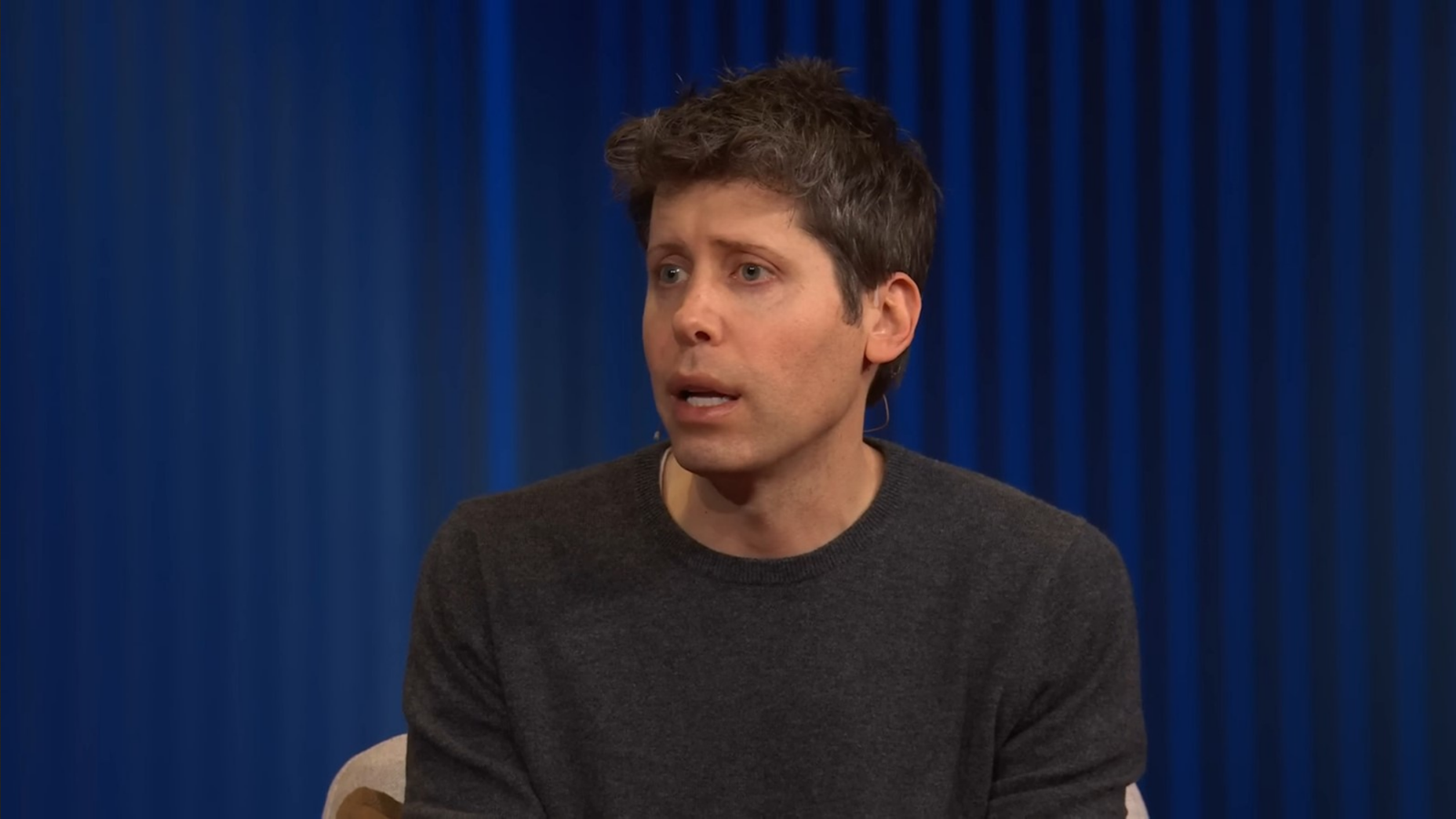
OpenAI CEO Sam Altman recently shared his thoughts on how artificial intelligence gets blamed for job cuts that companies might have planned anyway. In an interview at the India AI Impact Summit, he described this trend as a form of “AI washing,” where executives point to the technology as the reason for layoffs even when other factors are at play. He noted that while some genuine job displacement from AI exists, a portion of the blame seems misplaced. Altman emphasized that he could not pinpoint the exact share but recognized both sides of the issue clearly.
The discussion comes amid widespread layoffs across industries, where AI often appears in company announcements as a justification for reducing staff. Altman pointed out that this creates a tricky balance for someone in his position, leading a company famous for tools like ChatGPT. On one hand, businesses invest heavily in AI expecting gains in efficiency and automation. On the other, framing the technology too strongly as a worker replacement heightens anxiety among employees already facing uncertain times.
Data supports the idea that AI’s direct role in job losses remains limited so far. An analysis from consulting firm Challenger, Gray & Christmas found that around 55,000 layoffs in the United States during 2025 linked directly to AI, representing under one percent of overall job cuts that year. A separate study from the National Bureau of Economic Research revealed that ninety percent of executives surveyed reported no effect from AI on their organization’s employment over the previous three years. These figures suggest that broader economic pressures, rather than AI alone, drive most reductions.
Altman acknowledged that real changes are coming, however. He expects the tangible effects of AI on job performance to grow more noticeable in the next few years. At the same time, he remains optimistic, comparing the shift to past technological revolutions that eventually produced new kinds of work. History shows societies adapt by creating opportunities that did not exist before, even as certain roles fade away.
One prominent example involves Amazon, which cut about 14,000 positions last year and initially tied the move to AI reducing the need for some tasks. Months later, the company stepped back from that explanation, clarifying that AI was not the primary cause. Such cases highlight how quickly narratives around technology can shift when scrutiny increases. Altman believes careful communication matters greatly to avoid unnecessary fear while being honest about future disruptions.
Overall, the OpenAI leader sees AI as a transformative force that will reshape work rather than simply eliminate it wholesale. He stresses that new jobs will emerge alongside any losses, much like they have throughout history. The key lies in distinguishing between convenient excuses and actual innovation-driven change.
What do you think about companies blaming AI for layoffs—share your thoughts in the comments.