
NATO Jets Intercept Commercial Flight After Passenger Names Wi-Fi Hotspot as Bomb Threat

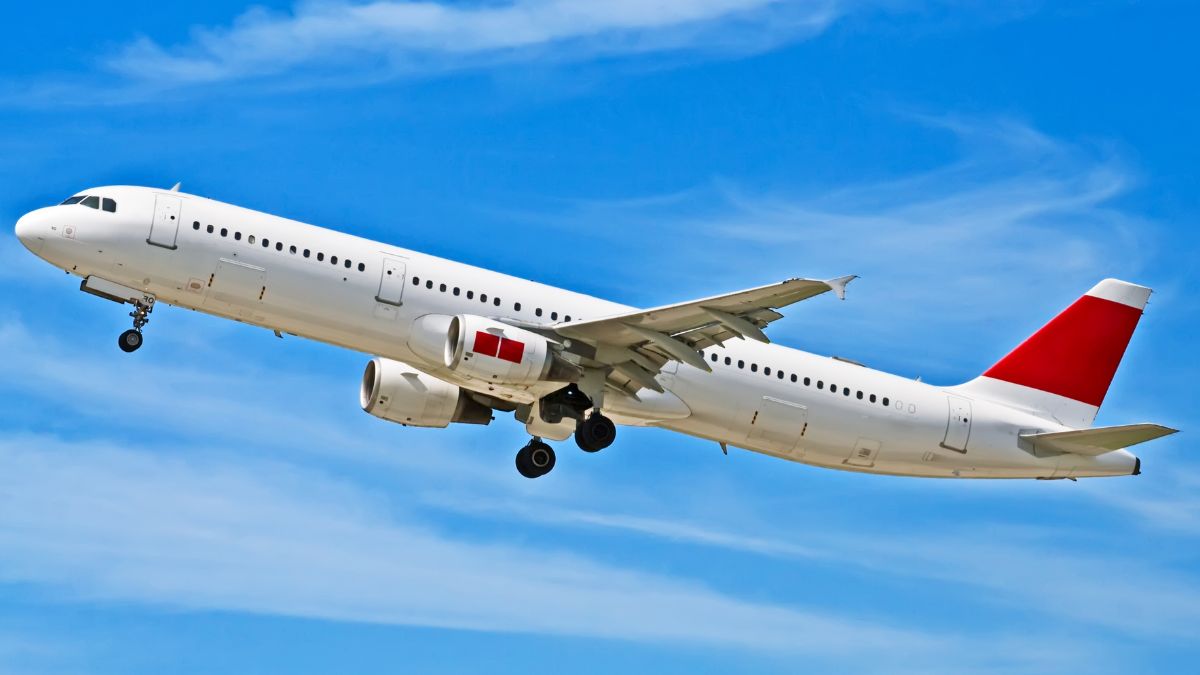
A standard commercial flight quickly turned into a major international security incident this past Thursday involving military escorts. Turkish Airlines flight TK1853 was traveling from Istanbul to Barcelona with one hundred and forty-eight passengers on board when the situation unfolded. The cabin crew made a chilling discovery while the Airbus A321 was cruising over the Mediterranean Sea. They noticed a personal Wi-Fi hotspot broadcasting from a device within the cabin with a terrifying name. The network was labeled with a phrase stating the owner had a bomb and everyone would die.
Flight protocols for potential acts of terrorism are extremely strict and leave no room for hesitation. The pilots immediately declared a state of emergency by transmitting the squawk code 7700 on their transponder. This specific signal alerts all air traffic control stations and nearby aircraft to a serious onboard situation requiring immediate assistance. NATO air defense systems picked up the alert and launched a Quick Reaction Alert to assess the threat in the sky. The sheer panic caused by a simple digital label illustrates the high tension involved in modern aviation security.
Fighter jets were rapidly deployed to intercept the passenger aircraft as it traversed European airspace. French Air Force planes initially met the airliner to ensure it maintained a safe flight path away from populated areas. As the aircraft crossed into Spanish territory the escort duties were handed over to Spanish Eurofighters. These military assets flanked the commercial plane to monitor its behavior and prepare for any potential escalation. The pilots of the Turkish Airlines jet performed holding patterns off the coast of Catalonia to burn fuel and coordinate with ground security.
The plane eventually began its final approach to Barcelona-El Prat Airport under the close supervision of the military escort. Air traffic controllers cleared a specific corridor to ensure the safety of other civil traffic in the busy airspace. The aircraft touched down safely around 11 am local time and was immediately directed to a remote section of the airfield. This isolated parking area was far removed from the main terminals to protect the public in case an explosion actually occurred. Emergency services including police units and medical teams were already waiting on the tarmac.
Security forces moved in to evacuate the passengers and crew while specialized bomb disposal teams approached the vehicle. Sniffer dogs and officers from the Civil Guard conducted a meticulous search of the cabin and all checked luggage. After a thorough inspection authorities confirmed that there were no explosives on board and the threat was a hoax. Yahya Üstün who serves as the Senior Vice President for Media Relations at Turkish Airlines later addressed the incident. He confirmed that the necessary procedures were initiated immediately in accordance with flight safety protocols.
This event serves as a stark reminder of how seriously authorities take any threat to aviation safety. The passenger responsible for the hotspot caused significant disruption and panicked dozens of people with a thoughtless joke. Legal actions are expected to follow as aviation laws punish false threats with severe penalties. The return flight to Istanbul faced a delay of several hours while the security checks were completed.
Please tell us what you think about the consequences for this kind of prank in the comments.