Microplastics Are An Unwanted Dietary Supplement We Consume Annually

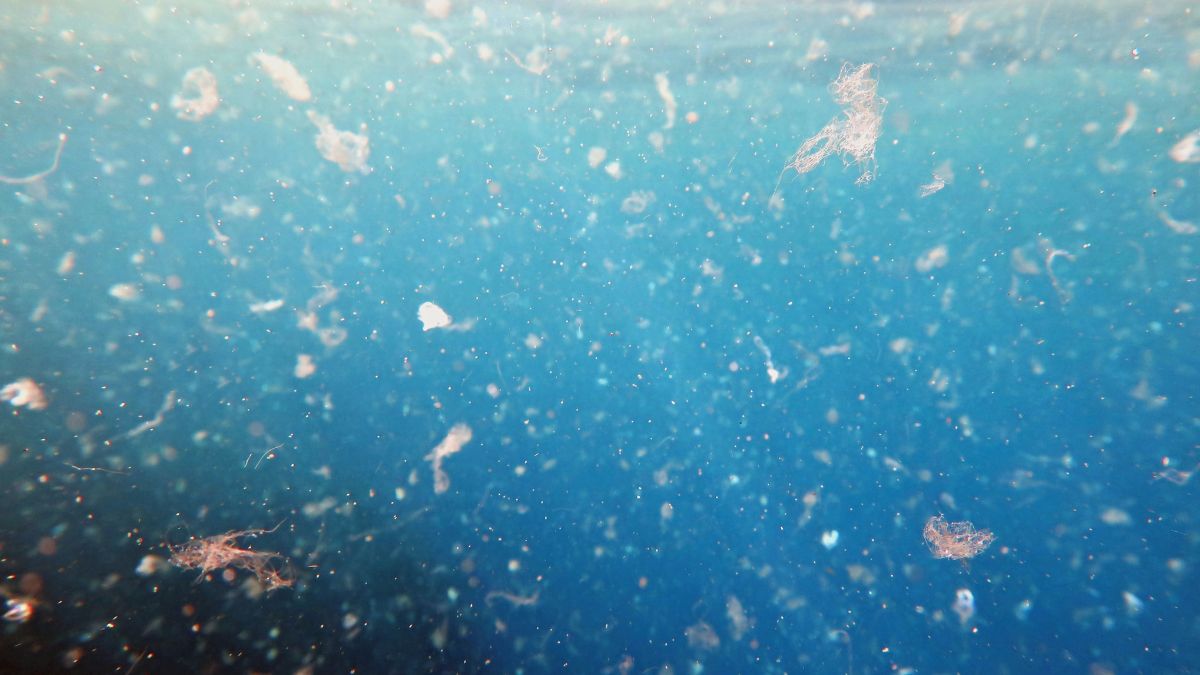
Plastic pollution has become an inescapable part of modern life and the global environment. We usually associate this issue with vast islands of garbage floating in our oceans or litter scattered on the streets. Few people realize that this synthetic material is silently making its way into our internal systems. It turns out that the very vessels we use for hydration are contributing to the problem directly.
Researchers from the University of Vienna teamed up with Nanoxi to investigate this specific type of contamination. They utilized high-tech imaging to detect invisible fragments that detach from packaging materials. Their study specifically targeted the interactions between liquid and polyethylene terephthalate bottles. The results of this comprehensive analysis were recently published in the scientific journal ‘PNAS’.
The findings indicate that mechanical stress is a primary driver of microplastic release. Every time you squeeze a plastic bottle to take a sip, you are likely dislodging tiny particles into the fluid. Even the simple motion of twisting off the cap creates friction that shreds the plastic neck. These microscopic shards then fall directly into the water and are swallowed unknowingly.
The statistical difference between drinking bottled water and tap water is truly staggering. The data suggests that individuals who strictly drink from plastic bottles ingest an astronomical amount of plastic. Estimates place this figure between ninety thousand and one hundred forty thousand particles per year. This constant bombardment of synthetic material is a heavy burden for the human body to process.
Tap water drinkers ingest a significantly smaller amount of these unwanted additives. The research shows that relying on tap water reduces annual intake to approximately four thousand particles. This represents a massive reduction in exposure to potentially harmful synthetic materials. The plumbing systems used for tap water do not degrade in the same rapid manner as disposable bottles.
Health professionals are growing increasingly concerned about the destination of these particles once they enter the body. There is a strong possibility that microplastics could trigger gastrointestinal issues or metabolic changes. Some scientists fear that the immune system might react negatively to the constant presence of foreign bodies. The long-term consequences remain a subject of intense study and debate within the medical community.
The nature of PET plastic makes it susceptible to breaking down under various conditions. It is not just physical squeezing that causes issues since temperature fluctuations also play a role. A bottle left in a warm car might release even more particles into the beverage. This porous nature allows the material to essentially leach into the food chain at the consumer level.
Reducing our dependence on single-use plastics is the most logical step forward for personal health. Switching to reusable containers made from glass or stainless steel eliminates the risk of shedding particles. This shift not only protects the body but also serves to reduce the volume of waste generated annually. Awareness is the first step toward making safer choices for you and your family.
Please let us know if these findings will encourage you to stop drinking bottled water in the comments.