Lenovo Opts Against Building Proprietary LLM and Will Instead Utilize All Agreed Partners

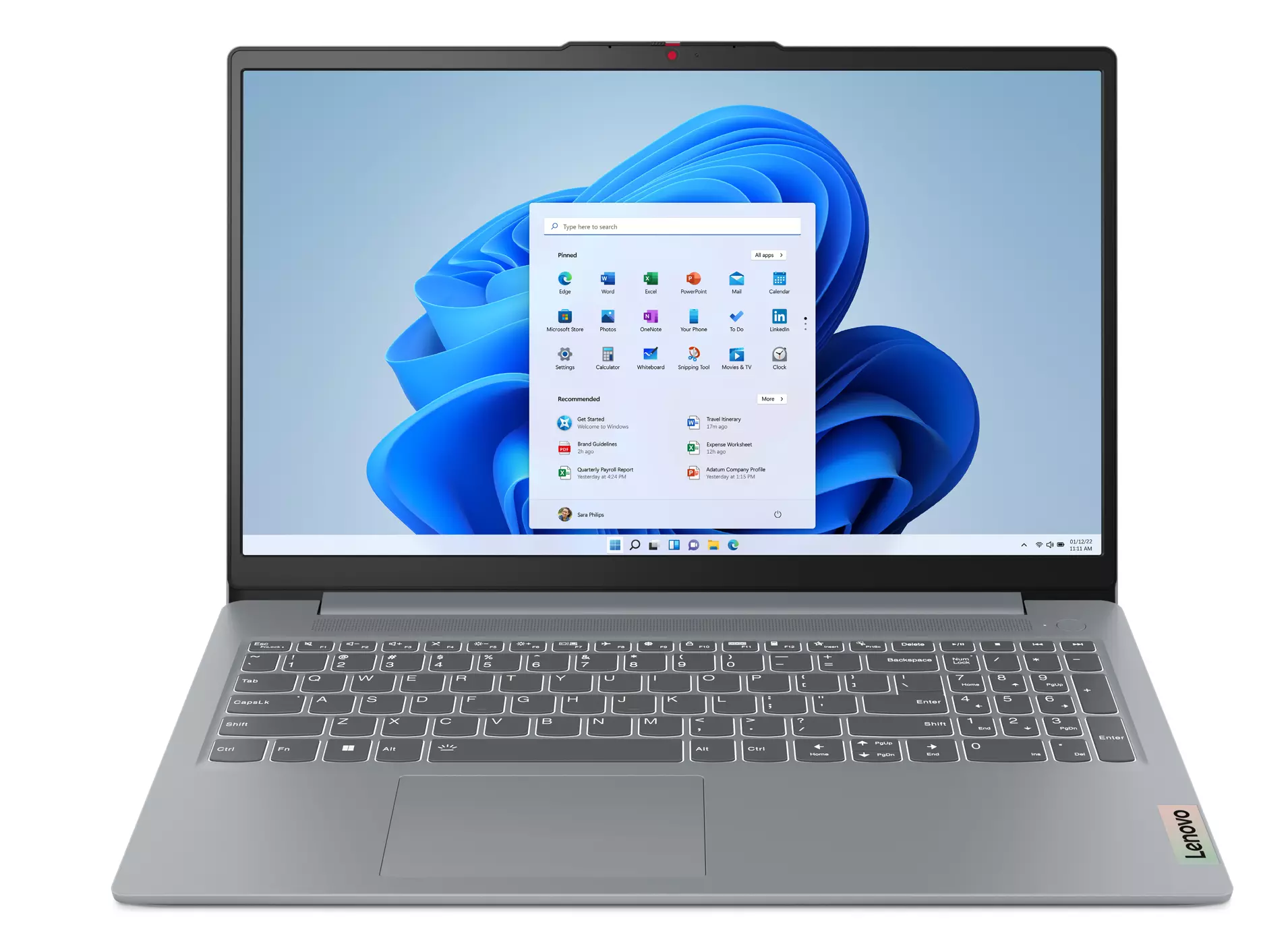
Lenovo has officially clarified its stance on the rapidly evolving artificial intelligence market by announcing a strategy that relies on collaboration rather than proprietary development. The company’s Chief Financial Officer Winston Cheng revealed this approach during an interview at the World Economic Forum in Davos. He stated that the tech giant will not invest in building its own Large Language Model to compete with existing giants. They plan to adopt an orchestrator role that integrates various external models into their ecosystem. This decision allows the company to remain flexible and compliant with diverse global regulations.
The strategy marks a distinct departure from competitors who are locking themselves into exclusive agreements or pouring billions into self-made models. Cheng explained that regulations around the world vary significantly and a single model might not suffice for every region. Lenovo aims to strike deals with a wide array of developers to ensure their devices work seamlessly in any market. Potential partners already identified include Humain in Saudi Arabia and Mistral AI in Europe. They are also looking at Chinese developers such as Alibaba and DeepSeek to cover that specific market.
This open partnership model contrasts sharply with the strategy seen from rivals like Apple. While Apple has limited its current integrations to major players like OpenAI and Google, Lenovo wants to cast a much wider net. Cheng highlighted that Lenovo is unique because it holds significant market share in both the personal computer and mobile sectors. Their presence covers both open Android and Windows ecosystems which gives them a broad platform for integrating diverse AI tools. This positioning requires a more versatile approach than what a single proprietary model could offer.
A key component of this new initiative is the introduction of a cross-device intelligence system known as ‘Kira’. This system is designed to function as the bridge between the user and the various third-party language models. By using ‘Kira’, the company hopes to deliver a unified experience across laptops, smartphones, and wearables without forcing users into a walled garden. The goal is to equip their extensive product portfolio with artificial intelligence that is tailored to local needs and rules.
The executive also touched upon the financial realities facing the hardware industry during his discussion in Davos. He noted that the cost of memory chips is rising and these increases will likely be passed on to consumers. Despite these economic pressures, the company is pushing forward with infrastructure investments. They recently unveiled a partnership with Nvidia to deploy liquid-cooled hybrid AI systems for data centers. This collaboration aims to help cloud providers bring their operations online more quickly and efficiently.
Share your thoughts on whether this open partnership strategy is better for consumers than a closed ecosystem in the comments.