Human Brain Organoids Thrive When Implanted in Rat Brains

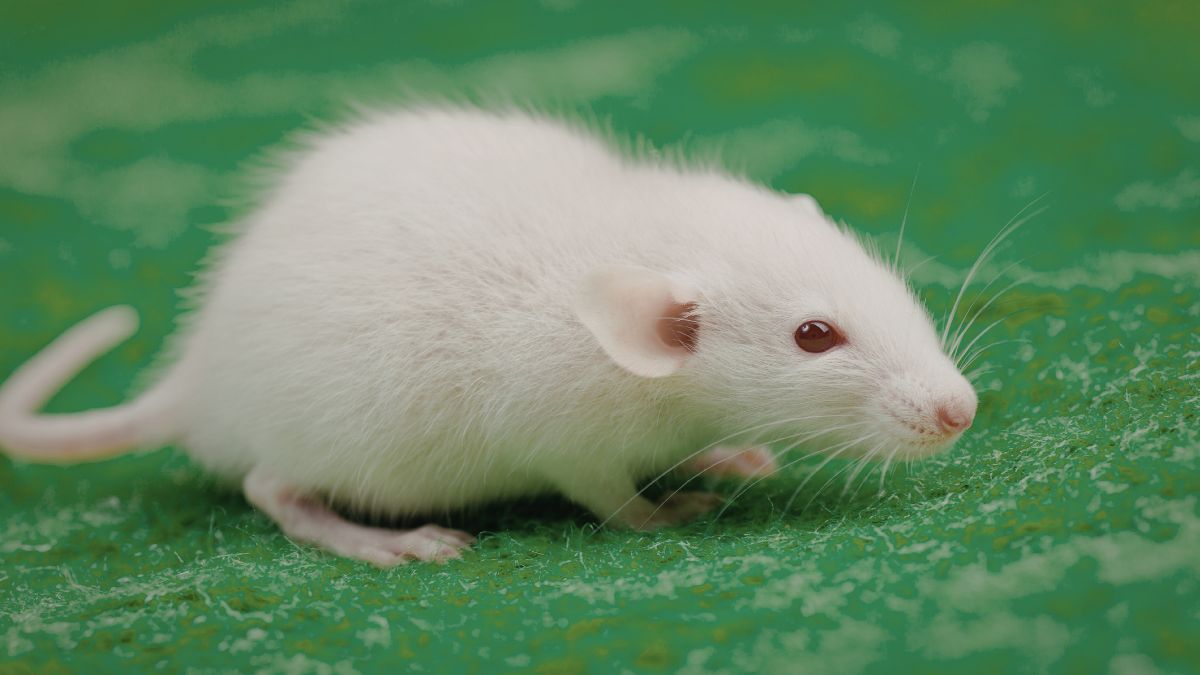
Scientists have long cultivated cerebral organoids in laboratories. These clusters of human neurons mimic early brain development and generate excitement for their potential. Yet without blood vessels or connections to a living system they stay limited in growth and function. Transplanting them into the brains of newborn rats changes that by providing real perfusion and neural inputs.
In a dish an organoid relies only on diffusion for oxygen and nutrients. This leaves the core often starved and immature while development stalls. The tissue forms synapses and shows spontaneous activity but lacks the environment to mature fully. Implanting it into a living brain offers vascularization and integration into existing circuits.
Researchers choose newborn immunodeficient rats for these experiments. Their developing brains prove more receptive to foreign tissue. The organoids get placed in the somatosensory cortex a region well mapped for sensory processing. Over time the grafts expand gain blood supply and display advanced neuronal maturation compared to lab grown versions.
Functional connections form the most intriguing part. Human neurons in the organoid link to the rat’s neural networks. They respond to sensory stimuli such as whisker movements which serve as primary input for rodents. Electrophysiology recordings confirm these integrated responses showing the tissue actively participates.
Optogenetics adds another layer of proof. Scientists engineer light sensitive channels into the organoid cells. Stimulating them with light influences the rat’s trained behaviors like seeking rewards. This demonstrates the human tissue becomes a working component in the host’s circuits not just passive graft.
These advancements yield practical benefits for medicine. Patient derived organoids carry specific genetic traits of diseases. When implanted they reveal network level abnormalities harder to spot in dishes. This creates superior models for studying neurological and psychiatric conditions.
Drug development also gains ground. Many candidates fail in human trials after succeeding in simpler systems. Organoids in living brains bridge that gap by incorporating real physiology and dynamics. They test therapies in a context closer to human conditions without direct human risk.
Regenerative approaches emerge as another possibility. Successful integration suggests future transplants could restore function after injury. Challenges remain including immune responses and growth control. Yet the foundation shows human neural tissue can engage meaningfully in foreign networks.
Ethical considerations stay essential throughout. Proportions of human cells functional roles and animal welfare demand monitoring. No evidence suggests enhanced consciousness or suffering in rats. Guidelines already address oversight as the field progresses.
This research moves organoids from isolated models to functional ones within living systems. It accelerates understanding of human brain disorders and potential treatments. The work remains grounded in improving models not creating hybrids. What potential do you see in using implanted brain organoids for treating neurological diseases. Share your thoughts in the comments.