Here Is How the ‘iPhone Fold’ Should Look Next to Its Competitors

The foldable smartphone market has matured significantly over the last few years, yet one major player has remained conspicuously absent from the conversation. Apple has quietly watched from the sidelines while competitors have iterated through multiple generations of flexible devices. Rumors regarding a potential foldable phone from Cupertino have swirled for nearly a decade, but 2026 appears to be the decisive year for this long-awaited release. Recent reports and leaks are finally shedding light on what the device might actually look like in the real world.
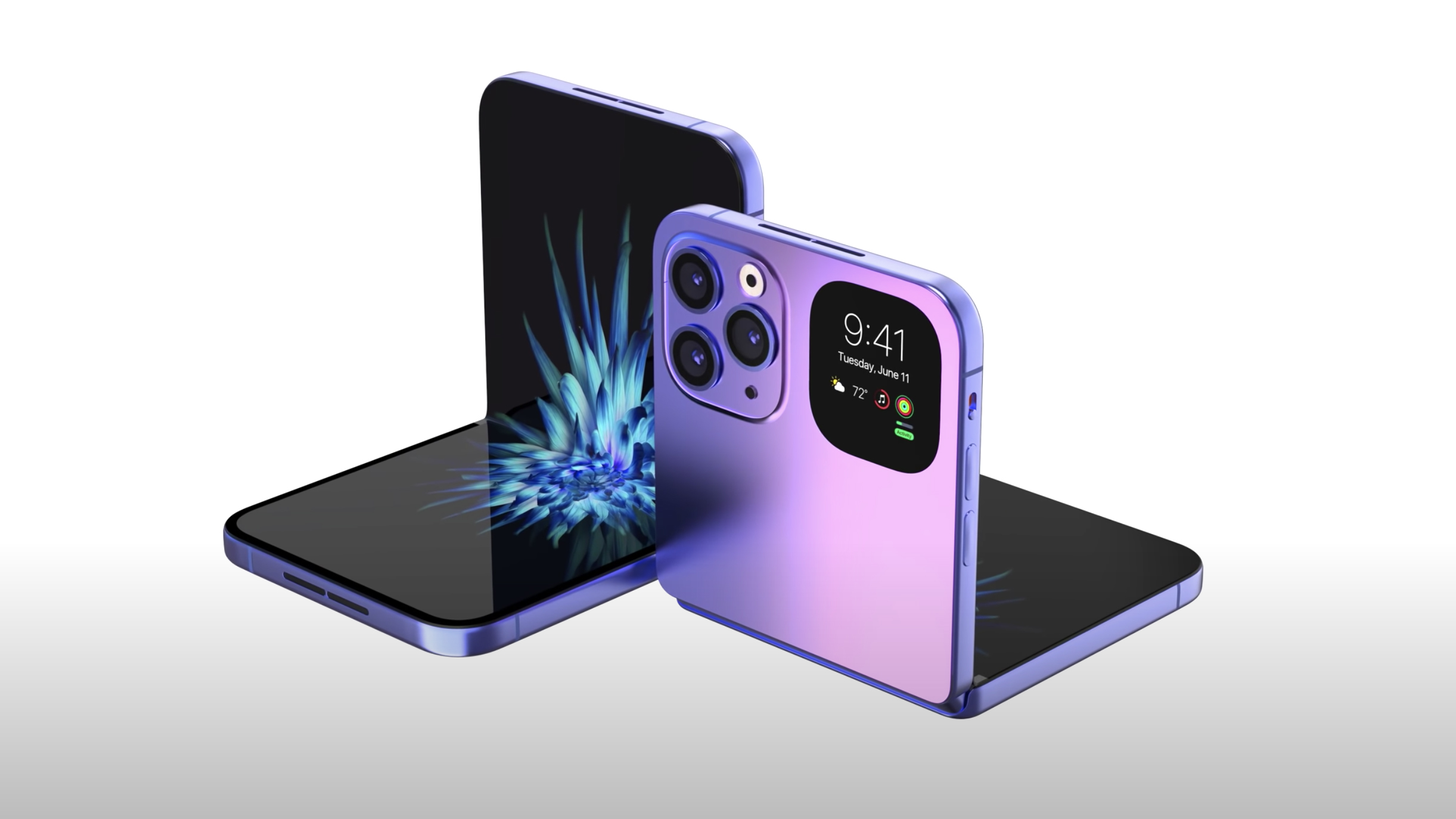
A new image recently circulating on the Chinese social media platform Weibo offers a fascinating visual comparison of the alleged device against its primary rivals. The most striking detail revealed in this leak is the form factor chosen by Apple’s design team. Unlike many early foldables that adopted a tall, narrow aspect ratio, the rumored Apple device appears significantly wider. This distinction in shape suggests a different philosophy regarding how a user should interact with the device when it is closed.
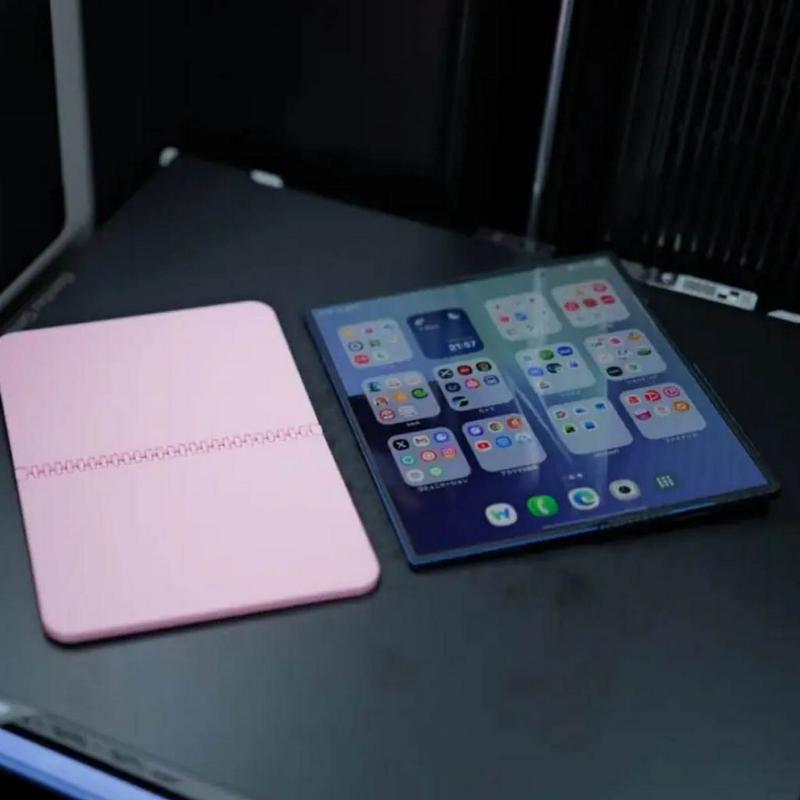
Current market leaders, particularly the popular ‘Galaxy Z Fold’ series, have traditionally featured cover screens that are much taller than they are wide. While this makes the phone easy to grip with one hand, it often results in a cramped typing experience and a “remote control” aesthetic. The leaked images indicate that Apple is opting for a passport-style chassis that mimics the proportions of a standard smartphone. This wider stance means the outer display would function just like a regular ‘iPhone’, without forcing users to adapt to a compressed interface.
Opening the device reveals even more advantages to this wider design language. A broader internal screen eliminates the awkward letterboxing often seen when watching videos on square-shaped displays. This aspect ratio is also far superior for multitasking, as it allows two full-sized apps to run side-by-side comfortably. It seems the goal is to provide a seamless transition between a phone and a small tablet, rather than compromising the usability of the closed device.
The decision to wait this long has likely allowed Apple to address common durability complaints that have plagued early adopters of foldable tech. Analysts suggest that the company has focused heavily on engineering a hinge that minimizes the visible crease in the display. The wider body also allows for a larger battery, which is crucial for powering two high-resolution screens throughout the day. If these leaks are accurate, the device will prioritize reliability and familiar ergonomics over experimental features.
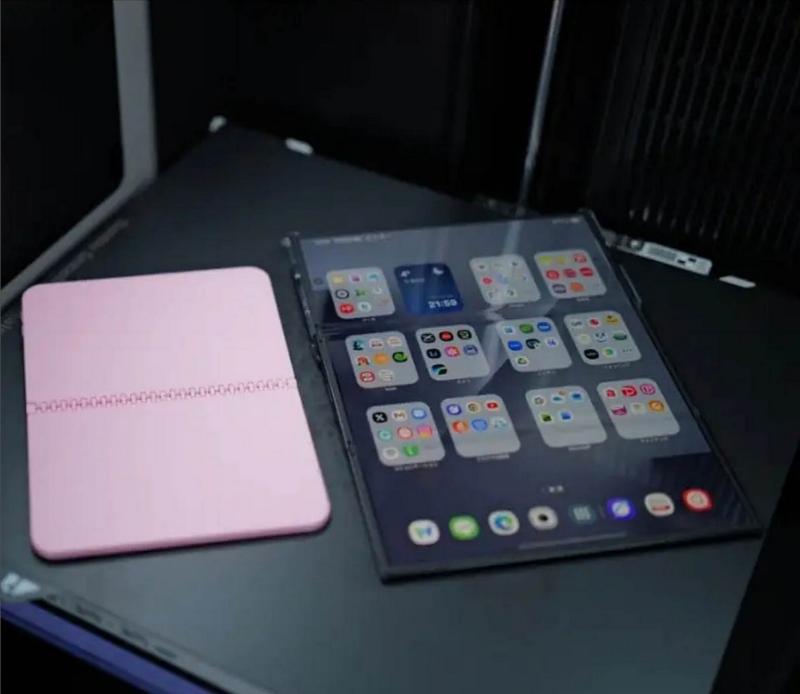
As the expected launch window approaches later this year, the industry is bracing for a potential shift in design standards. When Apple enters a new category, it often cements specific features as the new norm for consumer electronics. If the ‘iPhone Fold’ indeed launches with this wider, more usable footprint, it could force competitors to abandon the narrow designs of the past. The era of awkward, skinny foldables may finally be coming to an end.
Do you prefer the idea of a wider, passport-shaped foldable phone or the taller, narrower design we see on current devices? Share your thoughts in the comments.