Global Smartphone Shipments Increased Two Percent Throughout 2025

The global smartphone market has officially recorded its second consecutive year of growth after a period of post-pandemic stagnation. Data recently released by Counterpoint Research indicates that worldwide shipments grew by 2% in 2025 compared to the previous year. This positive trajectory was largely driven by a surge in demand for premium devices and the continued expansion of 5G networks in emerging economies. Analysts noted that aggressive marketing campaigns and flexible financing options played a crucial role in encouraging consumers to upgrade their handsets.
Apple emerged as the clear leader in this competitive landscape by securing a 20% share of the global market. The company achieved a remarkable 10% year-over-year growth which was the highest among the top five major brands. Senior Analyst Varun Mishra attributed this success to the tech giant’s expanding presence in mid-tier markets and the rising demand for their ecosystem. He specifically highlighted that the iPhone 17 series gained significant traction during the fourth quarter following its highly anticipated launch.
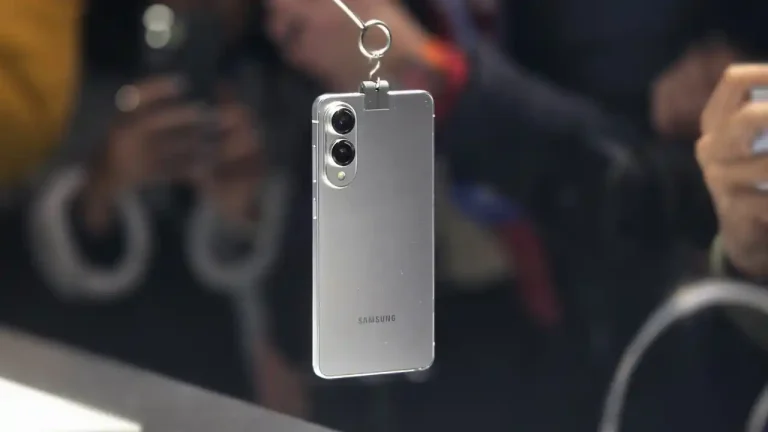
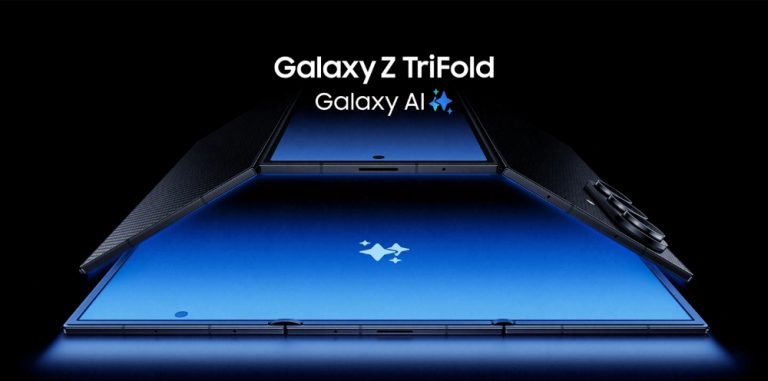
Samsung followed closely behind in second place with a 19% market share and a respectable 5% growth rate. The South Korean manufacturer found success through a balanced strategy that catered to both entry-level and premium consumers. Their performance was bolstered by the steady sales of the affordable Galaxy A series which continues to be a volume driver globally. In the high-end segment, the Galaxy S25 and Galaxy Z Fold7 models helped the company maintain its foothold against fierce competition.
The battle for the third spot saw Xiaomi maintaining its position with a solid 13% share of the global shipments. The brand has effectively managed its product portfolio to appeal to budget-conscious buyers while slowly creeping up the value chain. Other Chinese manufacturers like Vivo and Oppo continued to fight for the remaining spots in the top five rankings. Vivo managed to grow its shipments by roughly 3% thanks to strong performance in India and other parts of Asia.
A key trend defining 2025 was the shift toward premiumization where consumers opted to buy more expensive devices that last longer. This behavior was supported by the shrinking replacement window from the COVID era which left millions of users in need of an upgrade. Counterpoint Research Senior Analyst Shilpi Jain observed that the market as a whole continued shifting toward higher-priced devices. She noted that users are increasingly prioritizing durability and camera quality over finding the absolute lowest price.
Despite the positive numbers for 2025, industry experts are urging caution regarding the outlook for the coming year. Research Director Tarun Pathak warned that the global smartphone market is set to soften in 2026 due to potential economic headwinds. He pointed to rising component costs and sharp increases in memory prices as factors that could limit growth. Manufacturers may face difficulties in keeping prices down if supply chain shortages for DRAM and NAND chips persist.
The industry remains resilient but faces a complex set of challenges as it moves into the new year. Brands will likely need to focus on software innovation and ecosystem services to differentiate themselves when hardware upgrades become incremental. The slight growth seen this past year proves that mobile technology remains an essential priority for consumers worldwide. Companies that can navigate the rising costs while delivering value will likely lead the next phase of market expansion.
Please share your own thoughts on these smartphone market trends in the comments.