Deepest Gas Hydrate Spring Teeming With Life Found Near Greenland

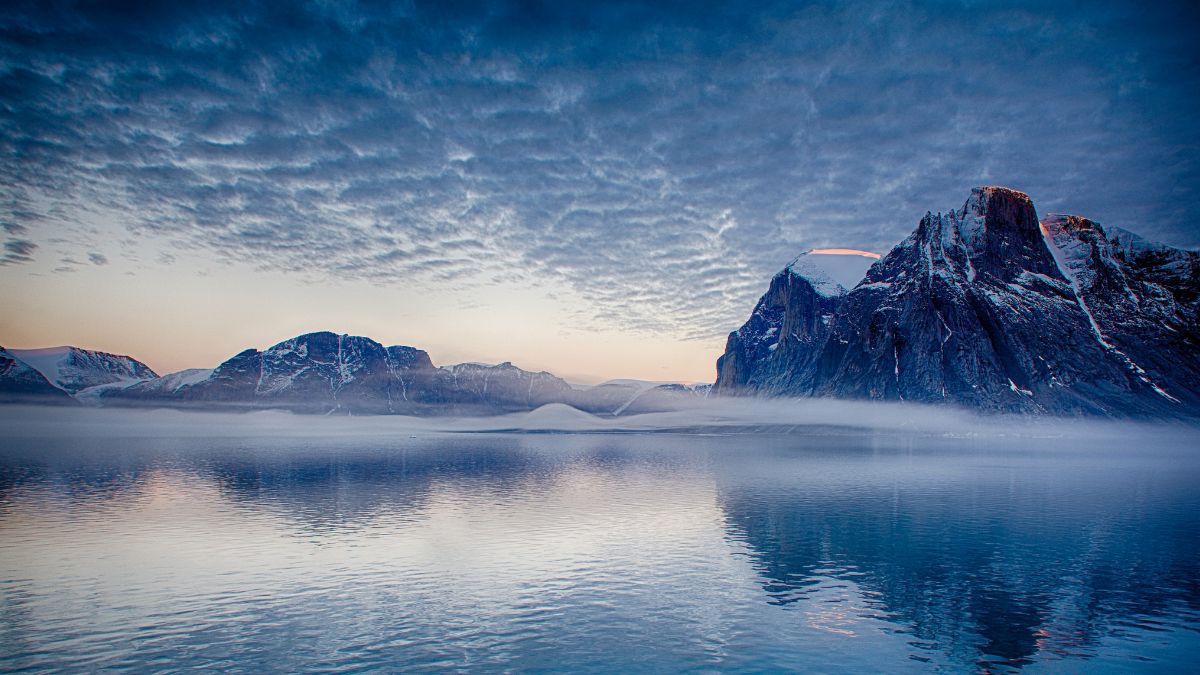
Scientists have unearthed a thriving ecosystem in the Arctic Ocean that shatters previous depth records for such environments. A team of researchers discovered the deepest known gas hydrate cold seep located 3,640 meters beneath the surface of the Greenland Sea. This site creates a unique habitat on the seafloor where life flourishes despite the crushing pressure and total darkness. The discovery took place during the Ocean Census Arctic Deep expedition.
The expedition team utilized advanced technology to explore the Molloy Ridge where they identified these geological features. Giuliana Panieri from the Arctic University of Norway led the mission alongside Alex Rogers from Ocean Census. They named the site the Freya Hydrate Mounds after the Norse goddess. The researchers spotted massive plumes of gas rising thousands of meters through the water column before sending a remote vehicle down to investigate.
What they found at the bottom was a biological hotspot teeming with specialized organisms. The mounds are populated by communities of tubeworms and small snails with distinct orange shells. These creatures survive through chemosynthesis since sunlight cannot reach these depths. They rely on bacteria that convert the methane and chemical compounds leaking from the seafloor into energy.
This discovery provides crucial new data on how carbon cycles through the deep ocean. Jon Copley of the University of Southampton noted that there are likely more of these deep seeps waiting to be found. The findings suggest that these chemical oases play a significant role in the biodiversity of the Arctic. The presence of such abundant life suggests a hidden network of ecosystems connecting different parts of the deep sea.
The study published in ‘Nature Communications’ highlights the resilience of life in extreme conditions. It changes the way scientists understand the biological connectivity between cold seeps and hydrothermal vents. Researchers plan to continue studying these environments to understand their impact on the global climate. The depths of our oceans continue to hold surprises that challenge our knowledge of life on Earth.
Please share your thoughts on this deep-sea discovery in the comments.