
Chinese Researchers Are Successfully Shrinking Semiconductor Chips Into Fibers As Thin As Human Hair

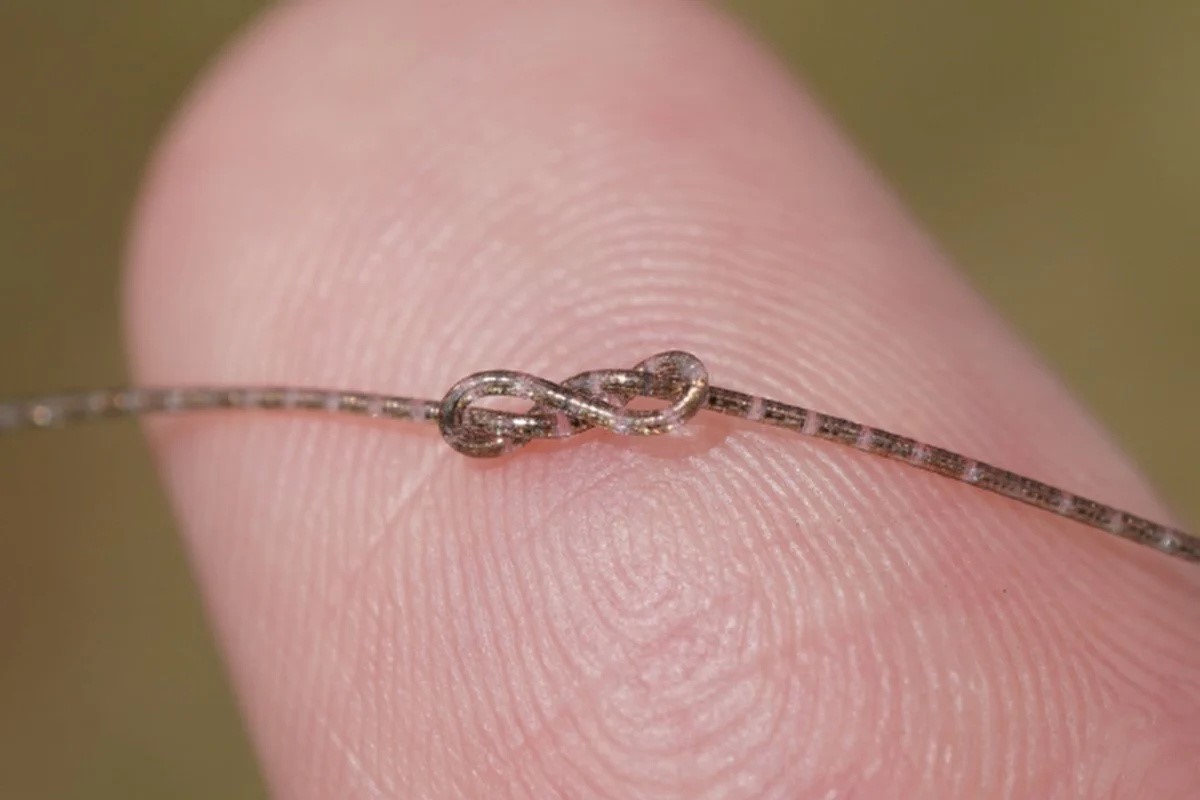
Researchers from several prestigious institutions in China and Singapore have recently achieved a major breakthrough in the field of materials science. They have successfully developed a method to transform traditional semiconductor components into ultra thin fibers. These new components are approximately the same thickness as a single strand of human hair. This discovery allows for the integration of complex electronic functions directly into common fabrics without the need for traditional circuit boards.
The collaborative effort involved experts from Nanyang Technological University and the Chinese Academy of Sciences among other notable organizations. Their findings were recently featured in the prestigious scientific journal ‘Nature’ for their innovative approach. Professor Wei Lei and his colleagues focused on solving the brittleness typically associated with silicon materials. By using a specialized thermal drawing process they created fibers that are both flexible and highly conductive.
This approach ensures that the electronics do not break when the fabric is folded or washed multiple times. These semiconductor fibers represent a massive shift away from the bulky and rigid circuits found in modern smartphones and tablets. Instead of carrying a device in a pocket users could simply wear clothing that performs the same tasks. The team demonstrated this potential by creating a smart hat for people with visual impairments.
This headwear can detect the colors of traffic lights and provide feedback to the user through vibrations or sounds. The manufacturing process involves melting the semiconductor material inside a protective glass cladding before drawing it out into long threads. This protective layer is crucial because it prevents the delicate internal components from being damaged by moisture or physical stress. The resulting fibers are so small that they can be woven using standard industrial looms.
This means that mass producing smart clothing could soon become a reality for the global textile market. Beyond simple light detection these fibers can also be used to create sophisticated sensors for medical purposes. They are capable of monitoring vital signs like heart rate and blood oxygen levels with high precision. Because the fibers are so lightweight they are much more comfortable than the plastic sensors used in hospitals today.
This technology could save lives by providing continuous health monitoring in a non invasive way. As the development continues the cost of producing these high tech threads is expected to decrease significantly. Researchers are currently evaluating the price points in US dollars to ensure the technology is accessible to the general public. We are likely standing at the beginning of a revolution in wearable electronics that will change how we interact with the digital world.
Please share your thoughts on whether you would wear clothing with built in computers in the comments.