Artificial Intelligence Revolutionizes Fertility Treatments As First Babies Are Born

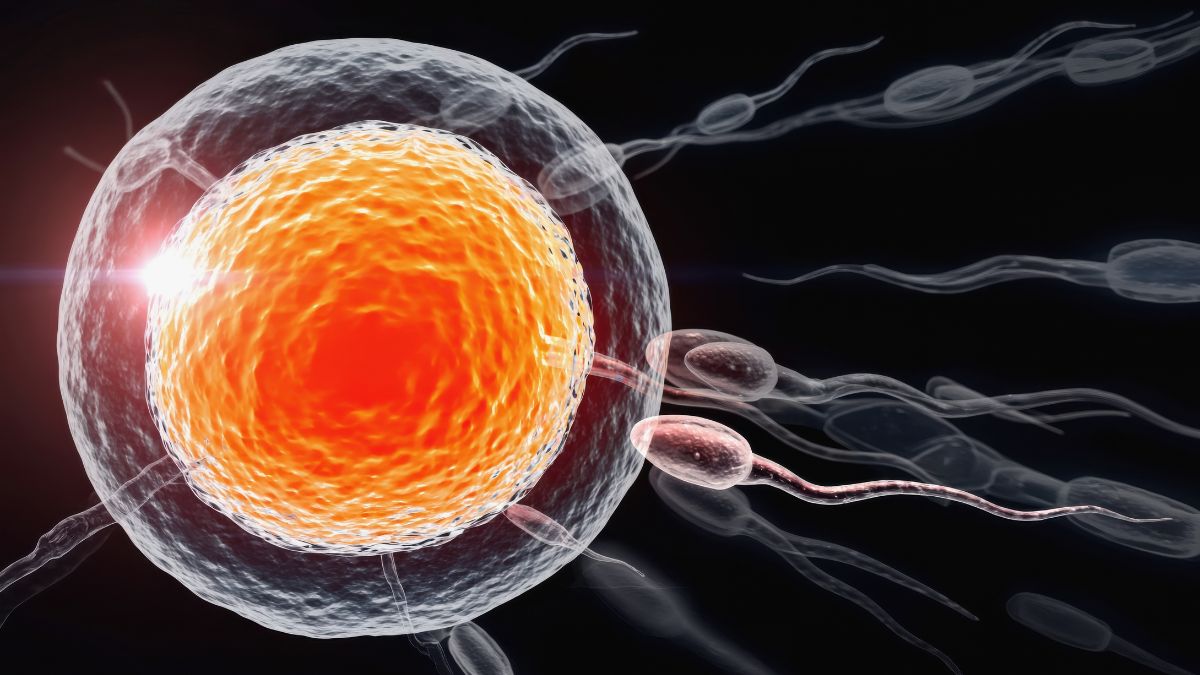
Artificial intelligence is slowly entering one of the most sensitive branches of medicine and transforming how we approach human reproduction. Reports from ‘National Geographic’ indicate that the first babies created through IVF procedures where AI performed a crucial part of the work are already being born. This technology assists embryologists by analyzing data to select the healthiest embryos for implantation. It marks a significant shift from traditional methods that rely heavily on the subjective judgment of human experts. The integration of advanced algorithms into fertility clinics offers new hope to millions of people struggling with infertility.
One of the leading figures in this field is Daniella Gilboa who is the co-founder and CEO of the company AIVF. Her company developed a system named EMA that uses deep learning to evaluate the quality of embryos. Gilboa explains that their technology acts as an objective tool that supports the decision-making process for clinical teams. The system processes vast amounts of data from images and videos of developing embryos to predict which ones have the highest chance of resulting in a healthy pregnancy. This capability is particularly valuable because human eyes cannot always detect the subtle biological markers that indicate a viable embryo.
The traditional process of selecting an embryo often involves manual grading or invasive biopsies that can potentially harm the delicate cells. AI offers a non-invasive alternative that can determine chromosomal normality with an accuracy rate of approximately seventy percent. This level of precision helps reduce the number of failed IVF cycles and shortens the overall time it takes for patients to conceive. By standardizing the evaluation process the technology aims to make fertility treatments more efficient and accessible to a wider demographic. Clinics in countries like the United States and across Europe are beginning to adopt these tools to improve their success rates.
Despite the heavy reliance on algorithms the human element remains an essential part of the equation in reproductive medicine. Experts emphasize that these AI systems are designed to augment the skills of embryologists rather than replace them entirely. The final decision on which embryo to transfer still rests with the medical professionals and their patients. This partnership between human expertise and machine intelligence creates a safety net that enhances the overall quality of care. As the technology evolves it is expected to become a standard component of fertility treatments worldwide.
The birth of the first babies assisted by this technology serves as a tangible proof of concept for the future of reproductive health. It demonstrates that machine learning can successfully navigate the complexities of biological development to create life. This breakthrough could fundamentally change how society views assisted reproductive technologies in the coming years. We are witnessing the beginning of a new era where data science contributes directly to the creation of families.
Please share your thoughts on whether you would trust artificial intelligence to select an embryo for your family in the comments.