Artificial Intelligence Boom Projected To Drive Significant Console Price Increases By 2026

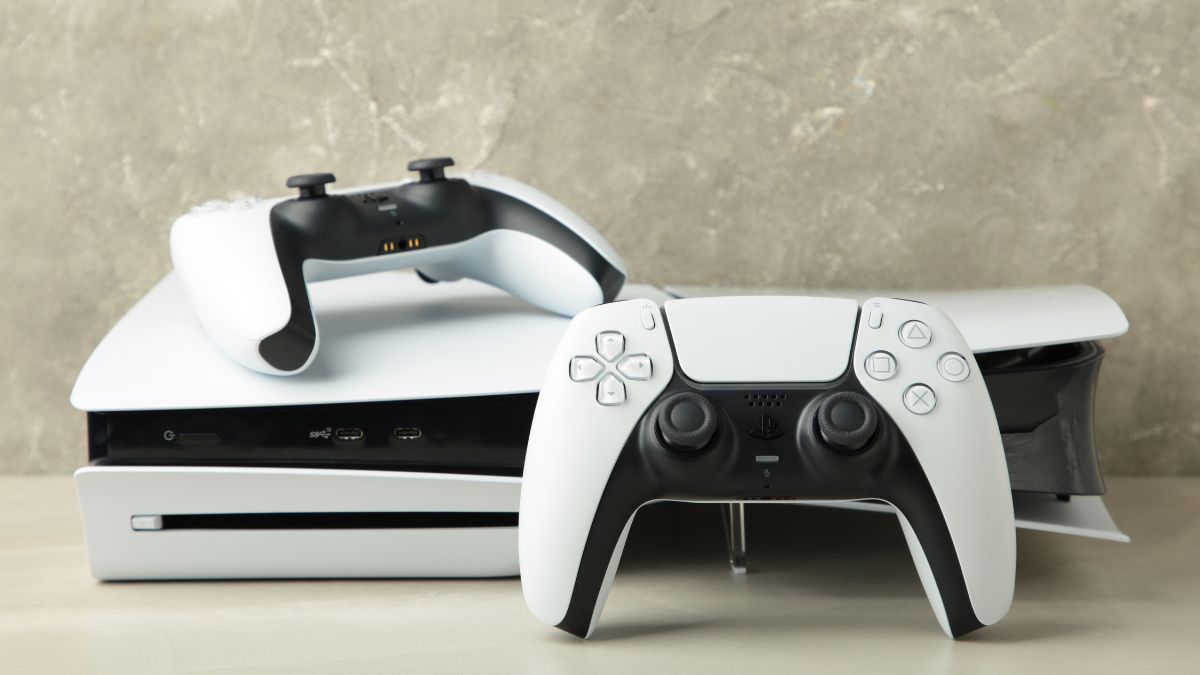
The gaming industry is currently facing a significant economic shift that could result in much higher hardware costs for consumers in the very near future. While gamers have grown accustomed to console prices gradually decreasing over time, the explosive growth of artificial intelligence is reversing this longstanding trend. Massive demand for high-performance computing components from data centers and AI companies is creating a shortage of essential materials. This competition for resources is driving up manufacturing costs for the chips used in everyday gaming devices.
A primary driver of this inflation is the rising cost of memory chips and semiconductor wafers. Reports from Reuters indicate that the surge in demand for DRAM chips has exceeded global supply capabilities. These specific components are vital for the functionality of systems like the PlayStation and Xbox. Manufacturers such as Micron are reportedly shifting their production focus toward high-margin enterprise solutions rather than consumer-grade memory. This strategic pivot leaves less inventory available for gaming hardware and naturally forces prices upward.
The situation is further complicated by manufacturing giants like TSMC adjusting their pricing models to accommodate the new market reality. According to industry insiders and reports from Digitimes, TSMC plans to raise its quotes for advanced process nodes by up to ten percent starting in 2026. These advanced nodes are critical for powering the next generation of processors found in upcoming consoles. Since console makers typically operate on extremely thin profit margins, they rarely have the financial buffer to absorb these additional production costs.
Prominent industry analysts have begun sounding the alarm regarding how these costs will impact the final sticker price for players. Joost van Dreunen, a games professor at the NYU Stern School of Business, has stated that console prices could rise by another ten to fifteen percent over the next year or two. He notes that memory components make up a substantial portion of a device’s total cost. If companies pass these increases directly to the consumer, the era of the five-hundred-dollar console may effectively be over.
Market researchers at Counterpoint Research have also weighed in with grim forecasts for hardware enthusiasts. They estimate that memory prices alone could jump by thirty percent as we move further into 2026. This inflationary pressure affects not just consoles but also the PC gaming market where component prices are equally volatile. The combined effect of these factors suggests that waiting for a price drop might no longer be a viable strategy for prospective buyers.
The implications for the next generation of hardware are particularly concerning for budget-conscious gamers. Speculation suggests that future systems could launch at price points previously reserved for high-end enthusiast computers. Companies may be forced to choose between selling hardware at a massive loss or risking lower sales volumes with a higher entry fee. As the industry grapples with these supply chain constraints, the average gamer may need to adjust their budget expectations significantly.
Please share your thoughts on whether you would pay a premium for next-generation consoles in the comments.