
Apple Halts iPhone 17 Production Ramp Due to Display Yield Shortfall

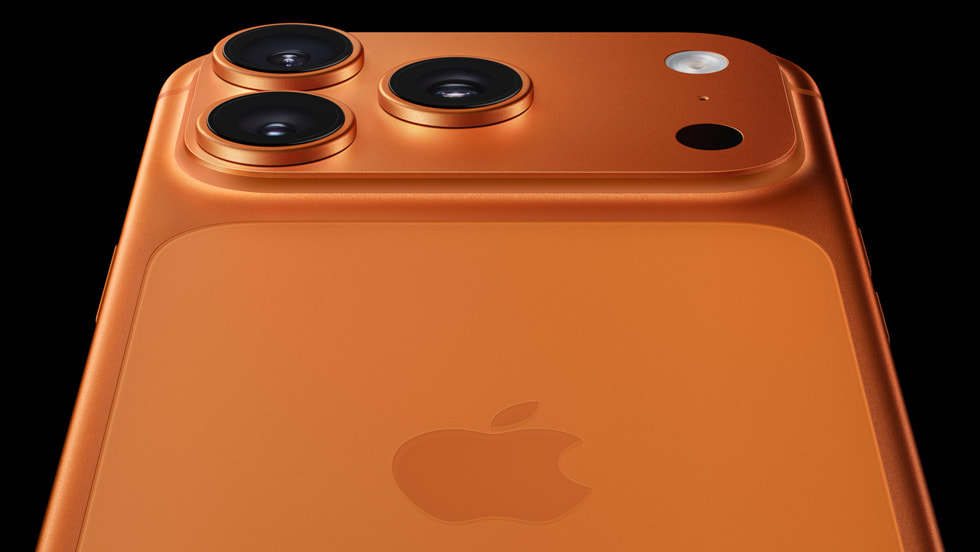
Apple has delayed the full-scale manufacturing of its iPhone 17 series by three months following persistent low yields in the new ProMotion display panels. Suppliers Samsung Display and LG Display reported defect rates exceeding 25 percent on the LTPO OLED substrates, forcing a redesign of the thin-film transistor layers. The setback affects the premium models’ 120Hz adaptive refresh rate feature, pushing initial production to Q3 2026 instead of Q2.
The iPhone 17 lineup introduces a 6.7-inch edge-to-edge display with under-panel Face ID sensors and always-on capabilities at 1Hz minimum refresh. Apple ordered 150 million units for the fall launch, with 40 percent allocated to Pro variants requiring the advanced LTPO backplanes. Yield issues stem from integrating the new metal-oxide semiconductor process, which achieves only 72 percent pass rates on 8.6-generation mother glass lines.
Foxconn and Pegatron assembly lines in Zhengzhou now prioritize iPhone 16 inventory buildup, with component stockpiles for 17 exceeding 500,000 sets in bonded warehouses. The delay compresses the holiday sales window, projecting a 15 million unit shortfall in Q4 2026 shipments. Apple maintains diversified sourcing, with BOE Technology contributing 20 percent of base model displays under a $4.5 billion contract.
Revenue forecasts adjust downward by $12 billion for fiscal 2027, per Morgan Stanley analysis. Apple’s services segment, including App Store and iCloud, generated $24.8 billion in the latest quarter, offsetting hardware volatility. The company holds 52 percent U.S. smartphone market share, but extended lead times risk erosion to Samsung’s Galaxy S27 cycle.
Competitors exploit the gap. Samsung’s foldable Z Fold7 integrates similar LTPO tech with 85 percent yields on its 7th-gen lines, targeting a July 2026 debut. Google’s Pixel 11 series advances under-display cameras using rigid OLED, achieving 91 percent efficiency in pilot runs. OnePlus and Vivo ramp domestic production of 120Hz flagships, capturing 8 percent incremental share in North America.
Apple engineers in Cupertino collaborate with supplier R&D centers in Asan and Paju, South Korea, iterating vapor deposition masks for improved uniformity. The revised LTPO design incorporates dual-gate circuitry to boost electron mobility by 30 percent, aiming for sub-10 percent defect thresholds. Testing protocols now include 1,000-hour accelerated aging under 85-degree Celsius humidity.
Supply chain ripple effects hit upstream. Sumitomo Chemical’s photoresist output surges 18 percent to meet mask revisions, while Umicore supplies refined indium at 99.999 percent purity for transparent electrodes. Apple’s $20 billion annual display spend represents 35 percent of global LTPO capacity commitments through 2028.
U.S. trade tensions compound challenges. The Commerce Department’s Section 301 tariffs on Chinese OLED imports add 25 percent duties, prompting Apple to shift 15 percent of ProMotion assembly to India via Tata Group’s facilities. The initiative aligns with the CHIPS Act’s $52 billion incentives for domestic semiconductor fabs, though display tech lags behind logic chips.
Consumer implications include sustained pricing for iPhone 16 Pro at $999, with no mid-cycle refresh planned. Analysts project upgrade cycles extending to 28 months from 24, driven by battery life gains from the A19 chip’s 3nm process. Apple’s ecosystem lock-in, with 2.2 billion active devices, sustains 85 percent retention rates despite hardware delays.
Broader industry shifts accelerate. OLED market growth hits 22 percent CAGR to $65 billion by 2027, fueled by micro-LED pilots for iPad Pro successors. Apple’s pivot emphasizes software optimizations in iOS 20, enhancing dynamic refresh without hardware overhauls. The production halt underscores the precision demands of sub-millimeter tolerances in mobile displays, where a single pixel anomaly cascades to panel rejection.
As hyperscalers like TSMC prioritize automotive and server silicon, mobile OEMs face allocation squeezes. Apple’s negotiation for 12 percent more 3nm wafers supports the A19 Bionic’s 16-core Neural Engine, but display bottlenecks remain the primary constraint. The delay tests supply chain resilience in a $400 billion global smartphone sector, where U.S. consumers prioritize premium features amid 5G saturation.