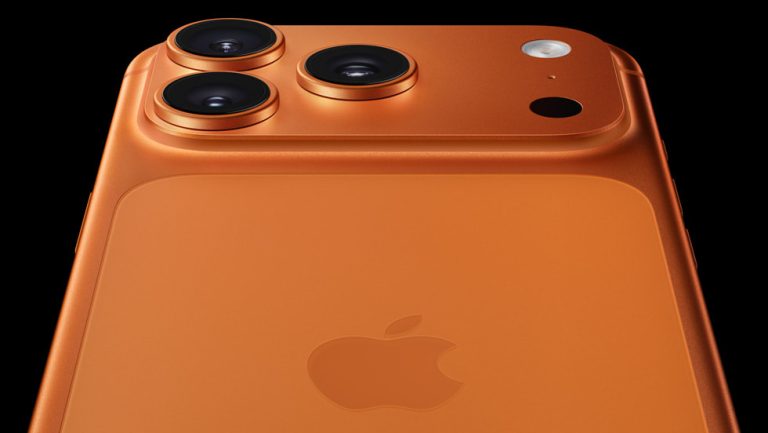
Apple Delays Mass Shipments of First Foldable iPhone Until 2027


Apple plans to introduce its inaugural foldable iPhone in 2026. Production challenges with display panels and hinge mechanisms complicate large-scale manufacturing. Analyst Ming-Chi Kuo reports that meaningful shipments may not occur until 2027 due to these issues.
The device adopts a book-style folding design similar to competing products from Samsung and Google. It features an inward-folding OLED panel supplied primarily by Samsung Display. Apple enforces strict quality standards for crease visibility and durability under repeated folding.
Development focuses on achieving a thin profile when folded. The company tests multiple hinge variants to minimize gap formation and ensure longevity. Suppliers face difficulties meeting Apple’s specifications for component reliability.
This foldable model targets the premium segment with pricing aligned to current Pro Max variants. It incorporates advanced camera systems and the latest A-series processor generation. Integration with iOS supports optimized multitasking on the expanded screen.
Apple previously explored clamshell designs but shifted to the larger book format. The project competes internally with ongoing refinements to traditional slab iPhones. Engineers prioritize battery placement and thermal management in the constrained folded state.
Supply chain partners include LG Display as a secondary panel provider. Assembly occurs through existing partners like Foxconn and Pegatron. Ramp-up preparations begin in advance of the planned reveal.
The delay stems from unresolved technical hurdles rather than market strategy shifts. Apple conducts extensive drop and fold cycle testing. Components must withstand hundreds of thousands of operations without degradation.
This entry positions Apple against established foldable leaders like Samsung’s Galaxy Z series. The company aims for superior build quality and seamless software experience. Ecosystem integration extends to continuity features across Mac and iPad.
Analysts anticipate initial production volumes in the low millions for 2026. Full availability expands as yield rates improve in subsequent years. The device represents Apple’s response to growing demand for flexible form factors.
Competitors achieved earlier market entry with iterative improvements over multiple generations. Apple adopts a conservative approach emphasizing readiness over speed. The foldable iPhone undergoes final validation phases before commitment to volume production.