Advanced Neural Interface Restores Sense Of Touch For Soldier At Walter Reed

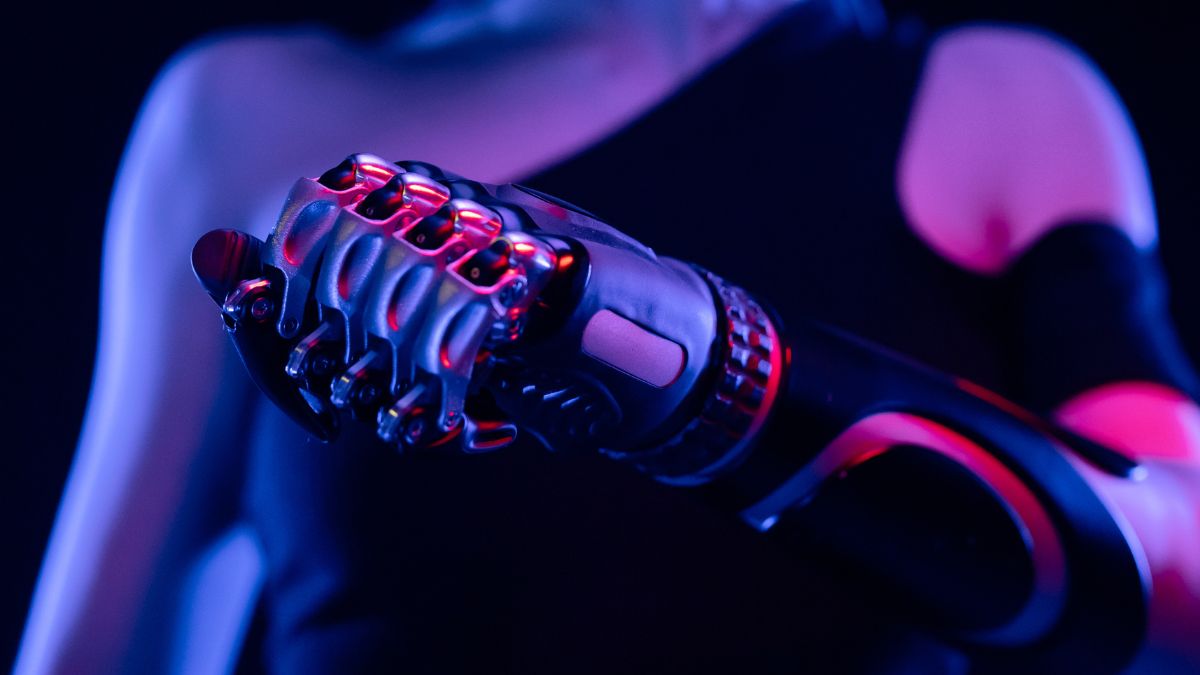
A groundbreaking clinical trial at Walter Reed National Military Medical Center has successfully demonstrated a new prosthetic limb capable of restoring the sense of touch. The participant is a U.S. soldier with a below-the-elbow amputation who volunteered to test the neural-enabled device. This advanced system utilizes implanted electrodes to stimulate nerves in the upper arm and bypasses the limitations of standard motorized prosthetics. The successful integration of this technology marks a significant leap forward in rehabilitation medicine and offers new hope to service members with limb loss.
The concept for this neural-enabled prosthetic system was developed by Drs. Ranu Jung and James Abbas of the University of Arkansas. Their team designed a sophisticated interface that connects sensors in the prosthetic fingertips to a specialized box embedded in the forearm. This device communicates directly with a neurostimulator implanted in the patient’s upper arm. When the soldier touches an object the sensors transmit signals that the brain interprets as physical sensation. Dr. Abbas explained that the goal was to allow users to feel what they are touching rather than relying solely on visual cues.
The soldier participating in the trial reported an immediate and transformative difference in how the prosthetic performed compared to traditional models. In previous experiences with standard devices the participant had to watch their hand closely to know if they were gripping an item successfully. With the new system the soldier described feeling a distinct sensation when grabbing objects like a pillow or a cup. The feedback provided by the electrodes eliminates the constant need for visual confirmation and creates a more natural experience. This sensory loop allows for more intuitive control over the artificial limb during daily tasks.
Dr. Paul Pasquina serves as the chief of the Department of Rehabilitation at Walter Reed and highlighted the importance of this advancement for military personnel. He noted that combat trauma from conflicts in Iraq and Afghanistan often resulted in complex upper-limb injuries that are difficult to treat with conventional prosthetics. The lack of sensory feedback has historically been a major gap in the functionality of artificial arms and hands. Pasquina emphasized that restoring even a fraction of natural sensation can dramatically improve the quality of life for amputees.
Michelle Nordstrom is a research occupational therapist at Walter Reed who has observed the clinical benefits firsthand. She pointed out that the addition of sensory feedback significantly reduces the mental effort required to operate the prosthetic. Tasks that were previously frustrating or mentally draining are now more manageable for the user. During testing the participant showed improved ability to handle fine motor tasks such as picking up small coins or manipulating zippers. These improvements suggest that neural stimulation could eventually become a standard feature in future prosthetic designs.
The collaboration between the University of Arkansas researchers and the medical team at Walter Reed underscores the value of partnership in solving complex medical challenges. While the technology is still in the clinical trial phase the initial results are promising for the broader amputee community. Continued testing will focus on the long-term stability of the implanted electrodes and the durability of the sensor system. As the technology matures it may pave the way for widely available prosthetics that feel as real as they look.
Please share your thoughts on this development in prosthetic technology in the comments.