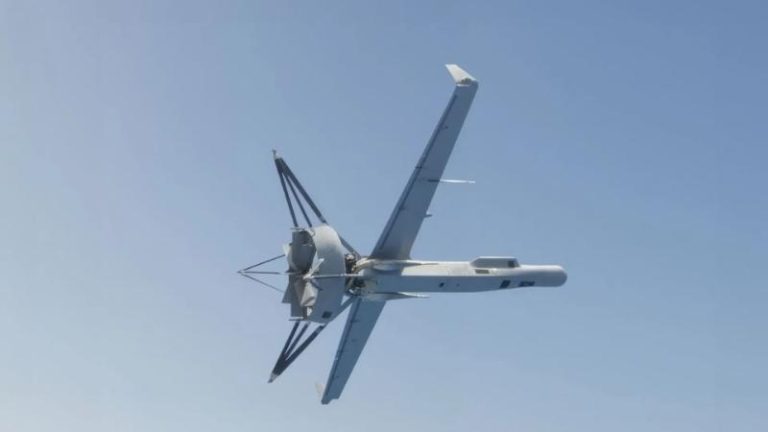
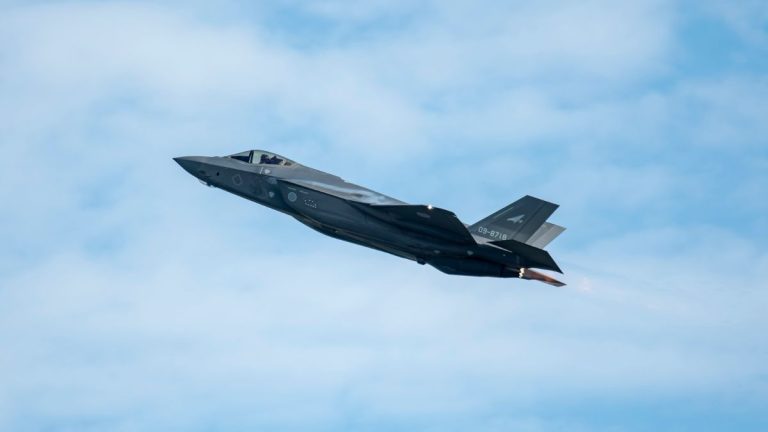
Electromagnetic Catapults Launch Military Jets Efficiently


Naval aviation has always been defined by raw, controlled violence — a jet aircraft hurled from a floating runway at combat-ready speed in under 3 seconds. For decades, that violence was powered by steam, a technology rooted in the mid-20th century that most people assumed was simply “good enough.” The public image of carrier operations rarely questions the machinery underneath the spectacle.
What most defense observers underestimate is how profoundly that machinery was limiting modern fleet capability. Steam catapult systems are mechanically brutal, maintenance-intensive, and dangerously inconsistent when launching lighter, unmanned aircraft — a critical flaw as drone warfare accelerates globally. The gap between what navies needed and what steam could deliver quietly became a strategic liability.
Electromagnetic Force Is Rewriting the Physics of Carrier Launches
Electromagnetic catapult military jets rely on the Electromagnetic Aircraft Launch System, known as EMALS, which uses a linear induction motor to generate a precisely controlled magnetic field along a launch track. Unlike steam, which delivers a single violent surge of pressure, EMALS distributes force smoothly across the entire launch stroke, reducing peak stress on airframes by as much as 30%. This means aircraft endure less structural fatigue per launch cycle, dramatically extending operational service life.
The U.S. Navy’s Gerald R. Ford-class carriers were the first to deploy EMALS at full operational scale, and the performance data has since influenced procurement decisions across allied fleets. The system can launch aircraft weighing anywhere from 10,000 to 100,000 pounds using the same track — a flexibility no steam system could match. That versatility is especially critical as navies integrate autonomous platforms alongside crewed jets, a trend closely tracked alongside advances in automated drone manufacturing reshaping the broader defense supply chain.
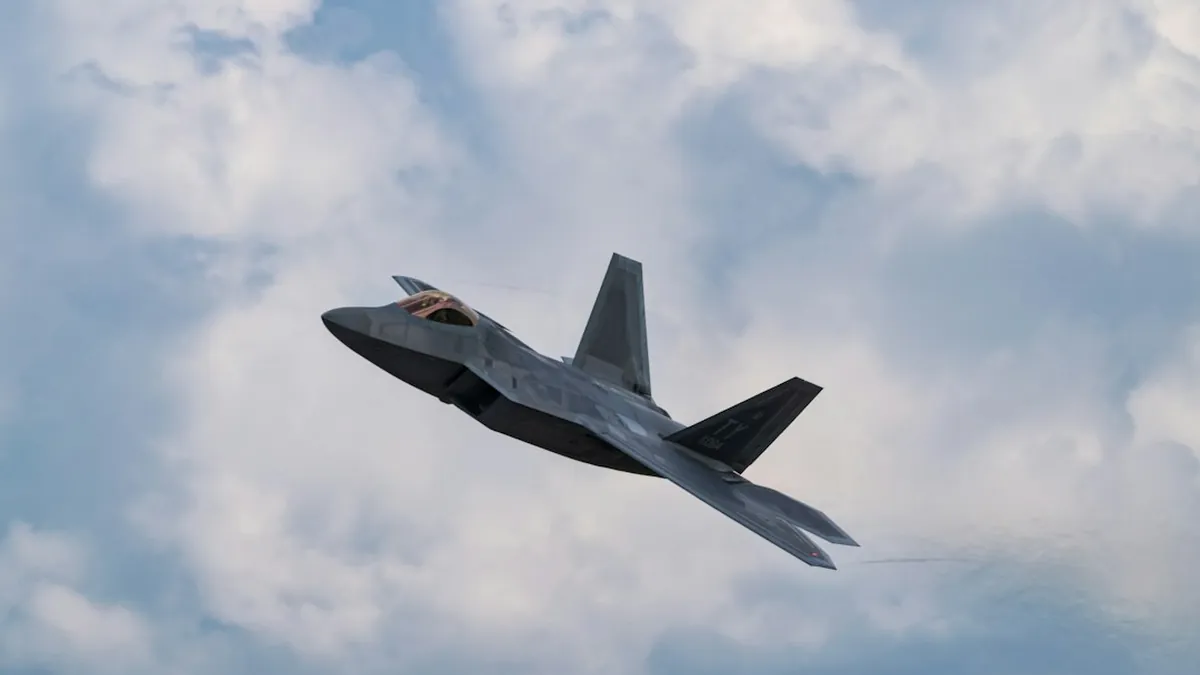
Naval Fleet Integration Demands More Than Engineering Brilliance
Adopting EMALS across a carrier fleet is not simply a hardware swap — it requires overhauling electrical generation infrastructure, crew retraining pipelines, and maintenance doctrine simultaneously. Early Ford-class deployments exposed reliability gaps that took engineers several years to resolve, a cautionary lesson for nations now fast-tracking their own electromagnetic catapult programs. India, France, and China are all at varying stages of EMALS-adjacent development, each navigating the same brutal engineering learning curve.
Defense planners are also weighing EMALS against the broader ecosystem of next-generation naval technology, including systems profiled in analyses of orbital refueling stations for spacecraft that signal how far power-projection ambitions now extend beyond the ocean surface. The energy demands of EMALS — requiring advanced energy storage capacitors capable of discharging 100 megajoules per launch — make shipboard power management a genuine strategic discipline. Nations that master that energy architecture will hold a decisive asymmetric advantage in carrier aviation for the next 2 decades.
Electromagnetic catapult technology represents one of the most consequential shifts in naval aviation since the jet age itself began, trading brute mechanical force for surgical electromagnetic precision. The fleets that invest in mastering EMALS today are not just upgrading a launch mechanism — they are fundamentally redefining what a carrier strike group can project and sustain. Share your thoughts on how electromagnetic systems will reshape global naval power in the comments below.