Rumors Resurface About a Touchscreen MacBook Pro

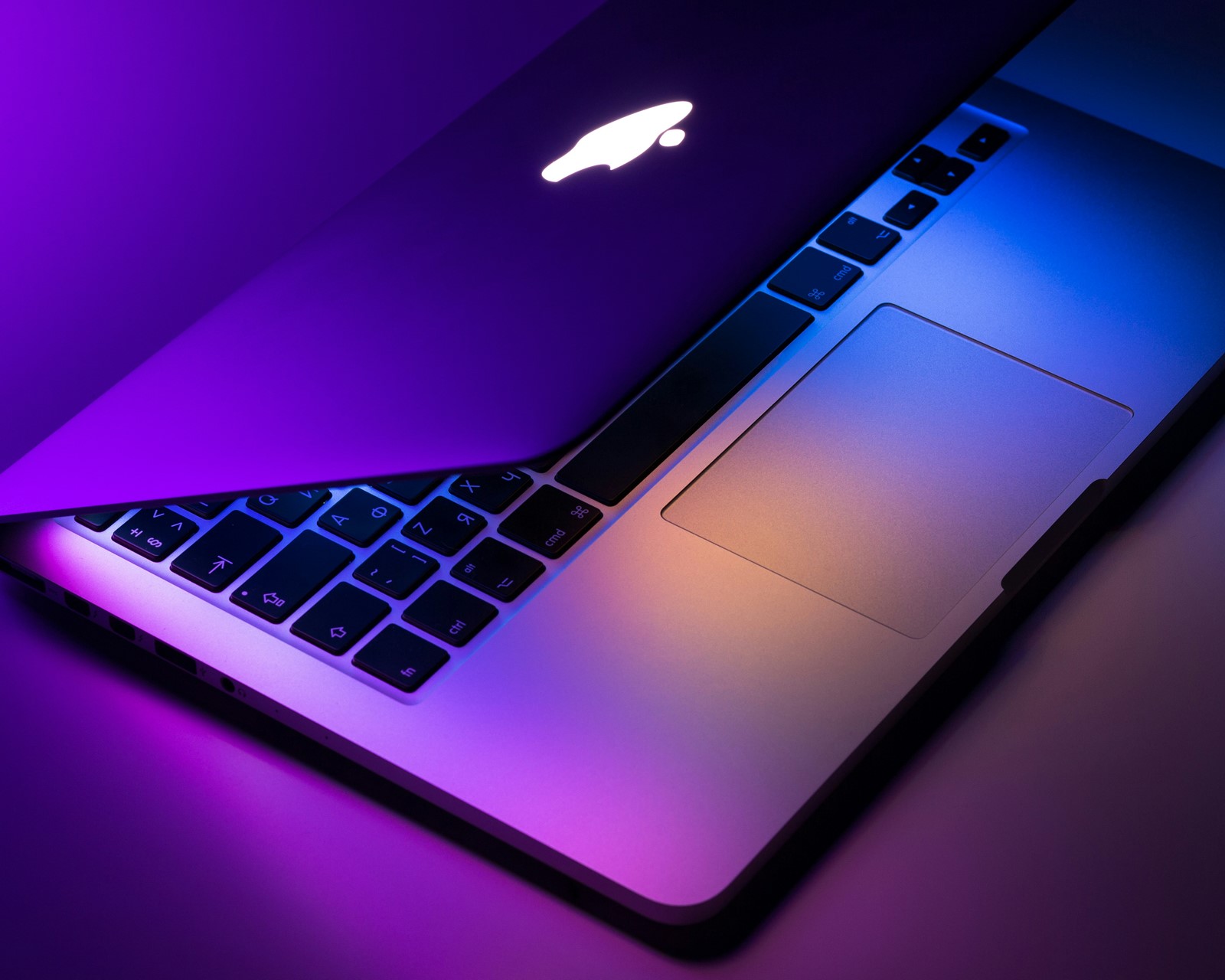
For years, Apple fans have wondered if the company would ever add touch capabilities to its laptops. Now, fresh reports suggest that a touchscreen MacBook Pro might finally arrive by the end of 2026. This shift could mark a major evolution in how users interact with macOS devices. Longtime enthusiasts remember how Steve Jobs once dismissed the idea, pointing out that touch surfaces work best when horizontal rather than vertical.
Steve Jobs made his views clear back in the day, arguing against vertical touchscreens for laptops. He believed they led to awkward ergonomics and fatigue from constant arm lifting. Despite that legacy, Apple appears ready to rethink its approach. Recent insights from analyst Mark Gurman in a Bloomberg report highlight this potential change. The company might introduce models that blend traditional controls with intuitive touch features.
Next week, Apple is set to reveal several new laptops that could set the stage for bigger innovations. Expect updates to the standard MacBook under the J700 label, along with a refreshed MacBook Air powered by the M5 chip. The high-end MacBook Pro lineup will likely feature M5 Pro and M5 Max processors for enhanced performance. These announcements focus on immediate releases, but the real excitement builds around what comes later in the year.
The rumored touchscreen MacBook Pro would include specialized modes to make the experience seamless. One mode optimizes for touch inputs, showing extra menus and options right where your finger taps. Another sticks to classic mouse or trackpad navigation for precision tasks. This dual setup aims to satisfy both casual users and professionals who need flexibility. Imagine editing photos or browsing with simple swipes, then switching to detailed work without missing a beat.
Beyond touch support, these models are expected to sport OLED displays for richer colors and deeper blacks. OLED technology has been whispered about for MacBooks for a while now. It promises better contrast and energy efficiency compared to current screens. Pairing that with touch could elevate creative workflows, from graphic design to video editing. Apple has refined OLED in its iPhones and iPads, so applying it here feels like a natural progression.
Another intriguing addition is the Dynamic Island feature, adapted for the laptop. On iPhones, it handles notifications and controls in a clever cutout. For the MacBook Pro, it would appear as a smaller punch-hole in the screen’s top center. This could manage alerts, music playback, or app shortcuts without cluttering the interface. It represents Apple’s push to unify experiences across its ecosystem, making transitions between devices smoother.
If these details hold true, 2026 could redefine the MacBook Pro’s role in computing. Touchscreens on laptops aren’t new, with competitors like Microsoft and Lenovo offering them for years. Yet Apple’s version would likely emphasize polished integration over gimmicks. Think about how the Touch Bar experimented with dynamic controls, but this goes further by involving the entire display. Users might discover new ways to multitask, like pinching to zoom in documents or drawing directly on the screen.
Skeptics might question if touch adds real value to a laptop form factor. After all, iPads already excel at touch-based tasks. However, combining it with macOS’s power could appeal to hybrid workers who switch between desk setups and on-the-go use. Developers and artists might benefit most, gaining tools that feel more tactile. Apple has a history of iterating on ideas until they shine, so this could avoid the pitfalls others faced.
Battery life remains a key concern with added features like touch and OLED. Apple would need to optimize power consumption to maintain its reputation for endurance. The M5 series chips are designed for efficiency, which might help balance the demands. Pricing could also play a role, with premium models potentially starting higher to reflect the tech. Still, for those invested in the Apple ecosystem, the upgrades might justify the cost.
Overall, this rumor stirs up discussions about Apple’s future direction. It challenges long-held design principles while embracing modern trends. Mark Gurman has a track record of accurate leaks, adding credibility to the buzz. As we await official word, the anticipation builds for how this might reshape daily computing.
What are your thoughts on a touchscreen MacBook Pro, share them in the comments.