Samsung Set To Supply Apple With Its Most Advanced OLED Screens

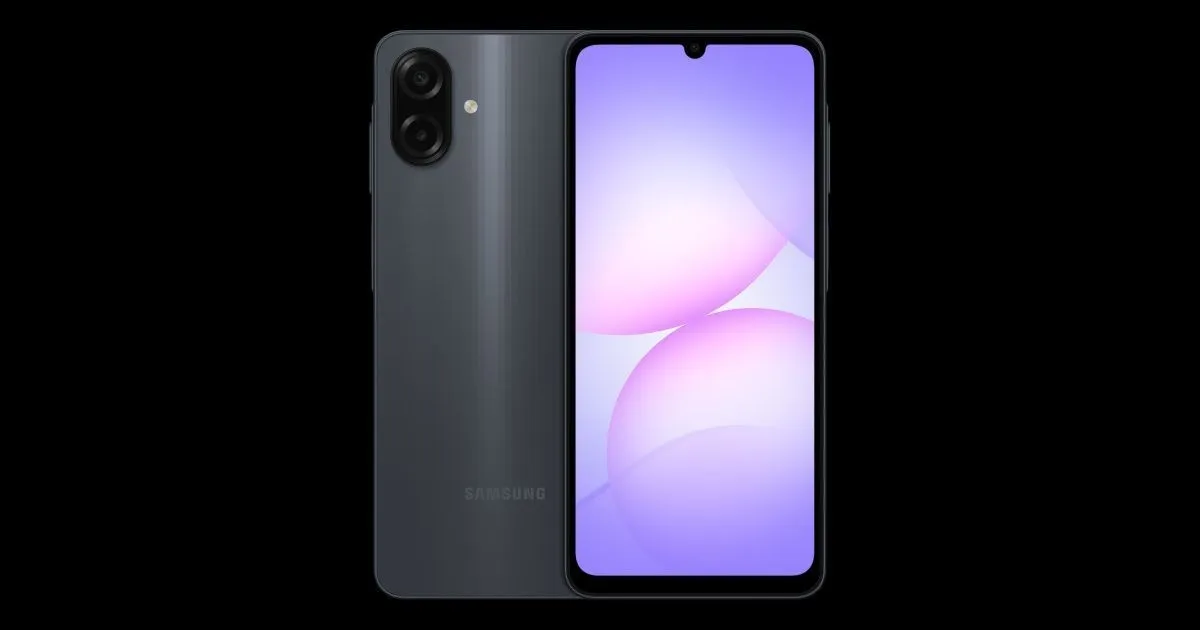
Industry reports indicate that Samsung Display will provide its most technologically advanced screen panels to Apple for the upcoming ‘iPhone’ series. This development suggests that the next generation of Apple smartphones will feature display technology superior to that of Samsung’s own Galaxy devices. Sources from the supply chain claim that the South Korean manufacturer is preparing to ship its cutting-edge OLED panels specifically for the ‘iPhone 18’ lineup.
The technology at the center of this agreement involves the new M14 material set and advanced LTPO+ panels. These components are designed to offer significantly higher brightness levels and improved power efficiency compared to previous generations. Experts believe this upgrade will allow the new ‘iPhone’ models to deliver a better visual experience while consuming less battery life. The adoption of these high-performance materials marks a significant leap forward in mobile display quality.
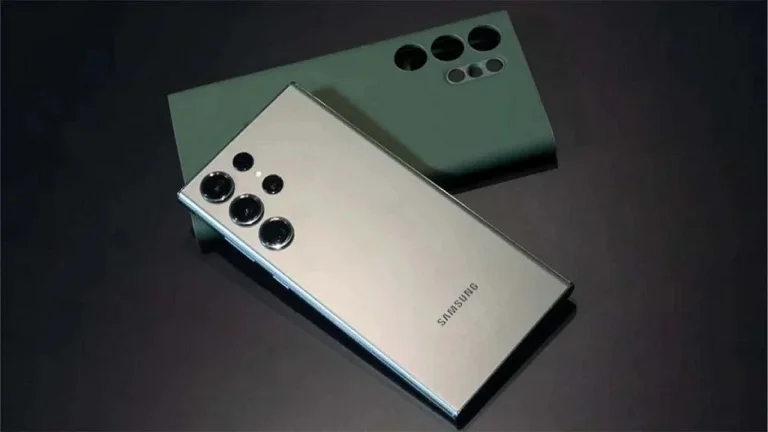
While Apple secures these premium components, reports suggest a different strategy for Samsung’s own mobile division. The upcoming Galaxy S26 series may not utilize these latest panels and could instead rely on the same screen technology found in the current Galaxy S25. This creates an unusual dynamic where a company sells its best hardware to a direct competitor rather than using it for its own flagship products. The decision appears to be driven by the distinct operational goals of the display manufacturing division.
A major factor influencing this situation is the ongoing struggle of other suppliers to meet Apple’s strict quality standards. Chinese manufacturer BOE has reportedly faced serious difficulties in achieving the necessary yield rates for these advanced screens. Their inability to mass-produce panels that meet the required specifications has forced Apple to shift a larger volume of orders to Samsung Display. This reliance solidifies Samsung’s position as the primary supplier for high-end mobile displays.
The business logic behind this move highlights the independence of Samsung Display from the Samsung Mobile unit. Selling millions of premium panels to Apple generates immense revenue that outweighs the competitive disadvantage for the Galaxy brand. Financial analysts note that the profit margins from these massive supply contracts are crucial for the company’s bottom line. Consequently, the display division prioritizes the client who places the largest and most lucrative orders.
Consumers might find it ironic that the best way to experience Samsung’s finest screen technology is to purchase a device from its main rival. The disparity in hardware specifications could influence buyer decisions when the new devices hit the market in late 2026. As the release date approaches, tech enthusiasts will be watching closely to see if the Galaxy lineup receives any unexpected upgrades to bridge this gap.
Do you think it makes sense for Samsung to sell its best technology to Apple while its own phones lag behind? Share your thoughts in the comments.