
Nvidia Licenses Groq Technology in $20 Billion Deal

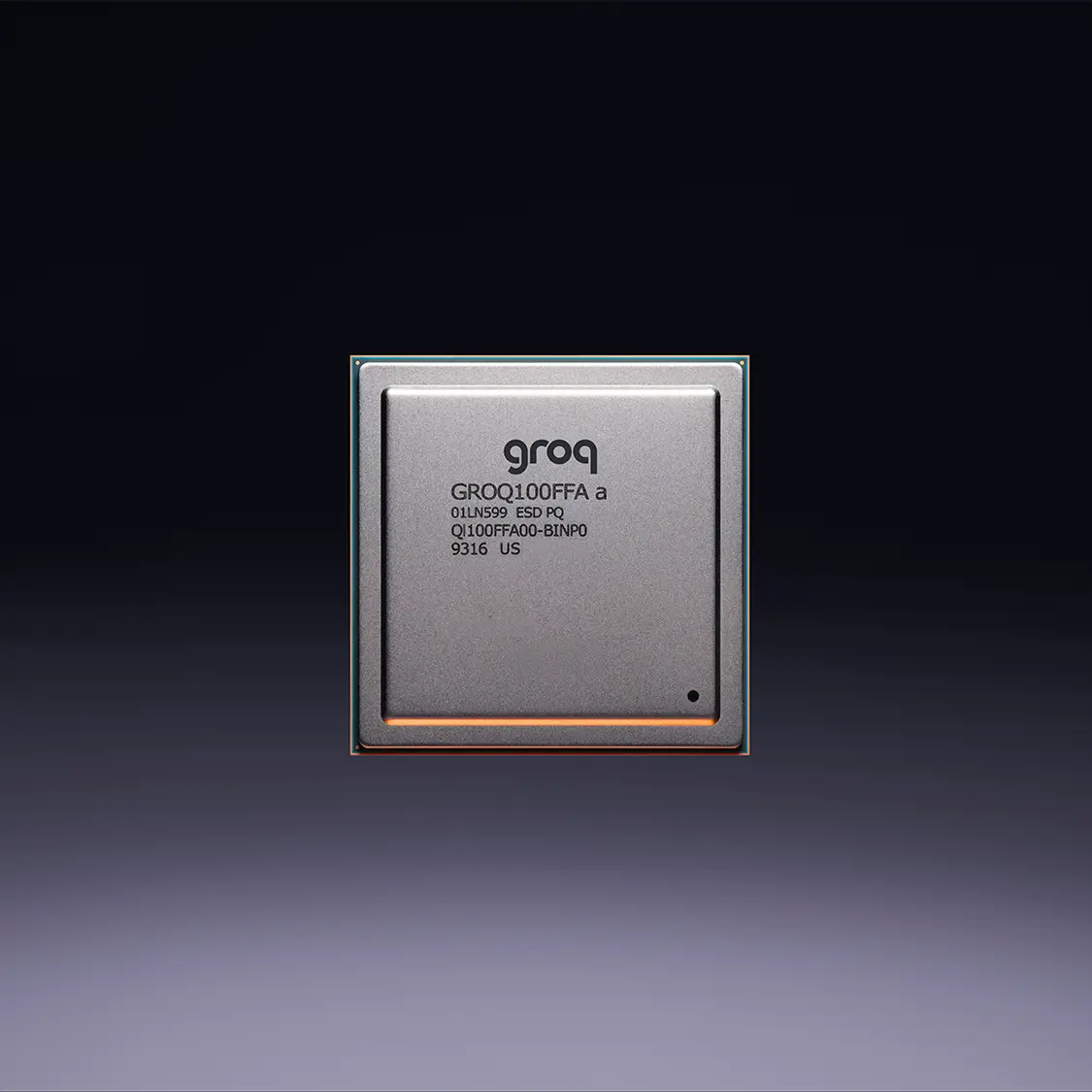
Nvidia has secured a non-exclusive license to Groq’s AI inference technology in a transaction valued at approximately $20 billion. Groq, a startup specializing in chips for running trained AI models, will remain an independent company while continuing its cloud operations. The agreement includes Nvidia hiring Groq’s founder and CEO Jonathan Ross, who previously led development of Google’s first tensor processing unit. Nvidia will also bring on Groq President Sunny Madra and additional engineering team members.
Groq’s technology centers on its Language Processing Unit, designed for low-latency AI inference. This chip uses on-chip SRAM memory rather than external high-bandwidth memory common in many GPU systems. The approach enables faster data access during model execution, contributing to claims of reduced power consumption compared to traditional graphics processors. Groq’s deterministic execution schedule minimizes variability in response times, supporting applications requiring consistent performance.
The deal allows Nvidia to integrate Groq’s low-latency processors into its AI factory architecture. This expands options for real-time AI workloads alongside Nvidia’s existing GPU offerings. Groq will transition to new leadership under CEO Simon Edwards following the executive departures. The company’s GroqCloud service faces no interruptions from the arrangement.
This transaction marks Nvidia’s largest to date, exceeding prior talent and technology acquisitions. Groq had achieved a $6.9 billion valuation earlier in the year after raising $750 million in funding. The non-exclusive nature of the license permits Groq to continue offering its technology to other parties. Nvidia positions the integration as enhancing its ecosystem for AI inference tasks.
The agreement reflects ongoing consolidation in AI hardware amid competition from specialized processors. Groq’s chips target inference efficiency, where trained models generate outputs in response to queries. Nvidia dominates AI training with its GPUs but faces challengers in the inference segment from startups and established rivals. This deal incorporates alternative architectures without full ownership of the competitor.