
Trump Signs Executive Order Limiting State AI Regulations

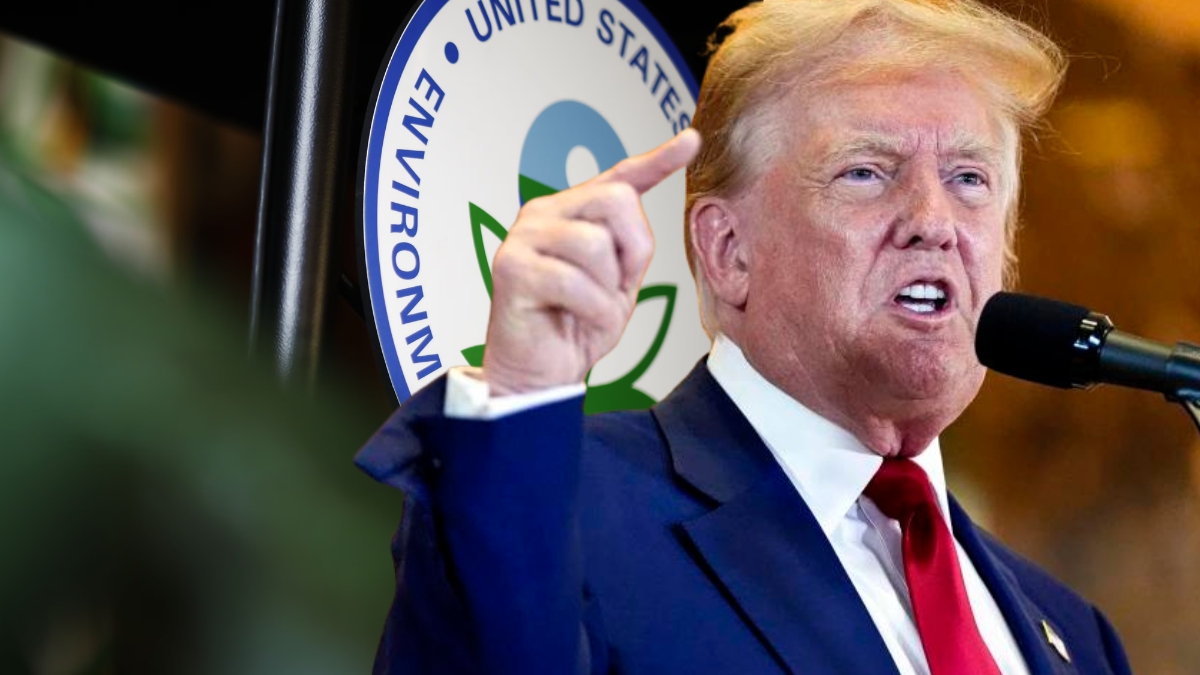
President Trump signs executive order withholding federal funds from states with AI rules deemed to hinder innovation. The move centralizes oversight under federal priorities, targeting regulations on bias and safety. It equips the administration to challenge what it calls excessive state-level barriers to AI development.
The order directs the Secretary of Commerce to review state AI laws for conflicts with national goals. States failing the evaluation lose access to the $42 billion Broadband Equity Access and Deployment program. This includes laws in Colorado requiring anti-discrimination measures in high-risk AI systems.
Trump describes the patchwork of 50 state regimes as a drag on the nascent industry. Compliance burdens startups with fragmented requirements, he argues, slowing U.S. competitiveness against global rivals. The order prioritizes a single federal approval process to streamline deployment.
White House AI adviser David Sacks states the measure provides tools to counter the most onerous regulations. It spares rules on child safety, focusing instead on those potentially introducing ideological bias into models. The administration seeks congressional backing for a unified standard covering copyrights, censorship prevention, and community protections.
Impacts extend to major tech firms advocating federal preemption. OpenAI, Google, and Meta Platforms favor national rules to avoid state-by-state hurdles. Andreessen Horowitz, a prominent venture firm, echoes the call for consistency to foster investment.
Critics warn of a regulatory vacuum. Democratic Representative Don Beyer calls it a path to a lawless environment risking public safety. State reforms on algorithmic discrimination could stall, leaving consumers exposed to unchecked biases in hiring, lending, and policing tools.
The order aligns with broader deregulatory pushes in tech. It blocks funding for states like California pursuing deepfake disclosures or New York mandating impact assessments. Commerce must report findings within 90 days, recommending waivers or overrides.
Legal challenges loom under the 10th Amendment, which reserves powers to states. Beyer predicts court battles over federal overreach into local policy. Tech lobbyists, however, hail it as a win for scalability, with AI market projections hitting $15.7 trillion by 2030 under lighter rules.
Implementation ties to existing infrastructure funds, pressuring states to align. Broadband deployment, already delayed in rural areas, faces further setbacks in non-compliant regions. The order mandates interagency coordination to enforce priorities without congressional delay.
Industry benchmarks show state rules adding 20 percent to compliance costs for small developers. Federal unification could cut that by half, per a Brookings Institution analysis. Yet safety advocates cite rising AI incidents, from biased credit algorithms to autonomous vehicle errors.
Trump emphasizes national security in the directive. Fragmented rules weaken U.S. edge in military and economic applications, he claims. The order integrates with export controls, ensuring domestic innovation feeds defense needs.
As reviews proceed, states may preemptively revise laws. Colorado’s governor signals willingness to negotiate, balancing funds against principles. The move reshapes federalism in tech governance, tilting toward industry over local safeguards.
Long-term, it accelerates AI adoption in sectors like healthcare and finance. Models trained on unified data promise 15 percent efficiency gains, according to McKinsey estimates. But without guardrails, error rates in critical systems could climb 8 percent, per NIST data.
The executive action underscores tensions in AI policy. It prioritizes growth amid China’s advances, where state-backed firms deploy without similar constraints. U.S. firms gain runway, but at potential cost to equitable outcomes.
Stakeholders monitor for spillover effects. Venture funding in AI startups surged 25 percent post-announcement, hitting $50 billion quarterly. Yet public trust metrics dip, with 62 percent of Americans favoring stronger oversight per Pew surveys.
This federal pivot marks a defining shift. It compels states to federal tempo, reshaping innovation landscapes nationwide.