What Might Occur if Asteroid 2024 YR4 Actually Collided With the Moon

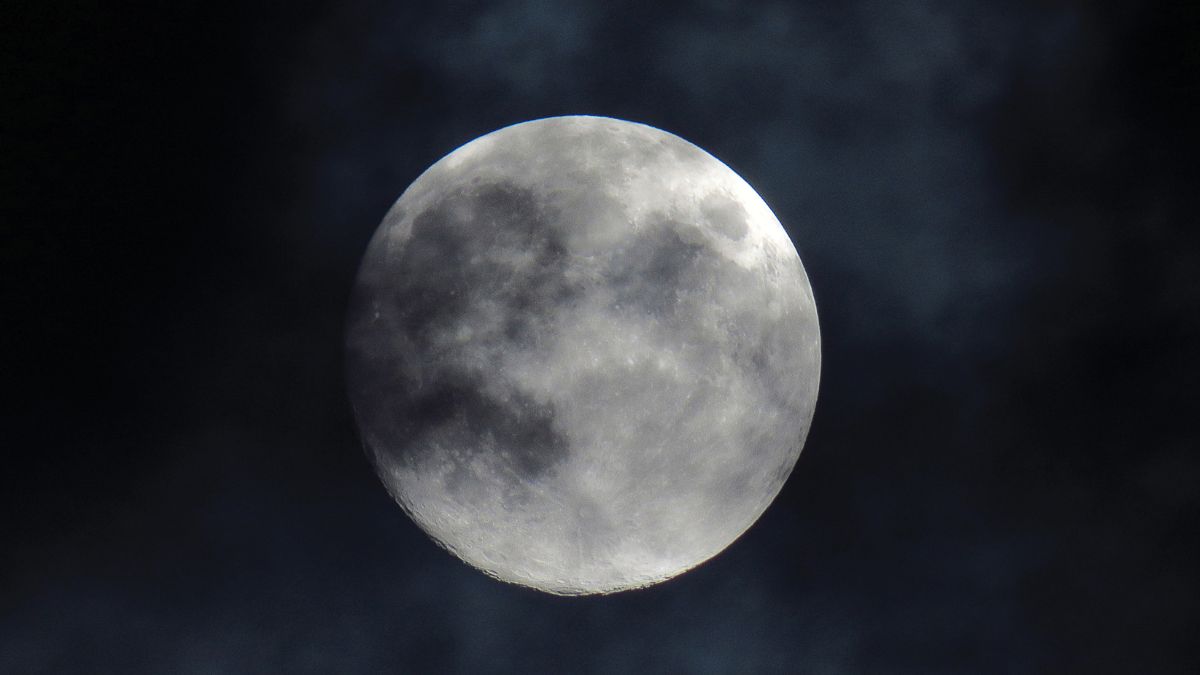
The asteroid known as 2024 YR4 recently caught the attention of scientists across the globe due to its exceptionally close flyby of the Moon. While it ultimately missed a direct collision, the event raised fascinating questions about the consequences of such a cosmic impact. Astronomers like Bill Gray tracked the object as it moved through space at high speeds. Initial calculations suggested there was a ten percent chance of the rock hitting the lunar surface. This close encounter serves as a reminder of how often small celestial bodies interact with our local neighborhood.
If 2024 YR4 had actually struck the lunar surface, the results would have been quite dramatic for observers on Earth. The asteroid is estimated to be between 100 and 230 feet wide which is large enough to cause significant local damage. Upon impact, the kinetic energy would have been converted into a massive explosion equivalent to multiple nuclear warheads. This release of energy would have carved out a deep hole in the dusty lunar crust instantly. Scientists believe the flash of light from the crash would have been visible even without the help of a telescope.
The resulting crater would likely measure hundreds of yards in diameter and would be easily seen with standard residential equipment. Unlike Earth, the Moon has no atmosphere to burn up smaller rocks before they hit the ground. Every ounce of the asteroid’s mass would have slammed into the regolith at full velocity. This would have sent a towering plume of debris and lunar soil high into the airless vacuum of space. The absence of wind means the dust would have behaved differently than it does on our home planet.
A portion of the ejected material would likely have escaped the gravity of the Moon entirely. Some of these rocks could have eventually drifted toward Earth and created a series of bright fireballs in our own sky. The majority of the dust would have settled back down over a wide area and coated the surrounding landscape in fresh grey powder. Researchers would have been eager to study the freshly exposed minerals revealed by the blast. Such a sample would provide a rare look at what lies beneath the lunar surface.
Events like these are critical for testing our current models of how impactors behave in the solar system. By observing the trajectory and potential damage of 2024 YR4, experts can better predict future threats. Our natural satellite acts as a shield for Earth and absorbs many impacts that might otherwise reach us. This recent pass highlights the ongoing need for advanced monitoring systems to keep our planet safe from wandering asteroids. International teams of astronomers continue to scan the sky for similar objects every single night.
Understanding the frequency of these events helps clarify the long history of the lunar surface. Each new mark on the Moon tells a story about the materials floating in our celestial backyard. Although this specific asteroid passed by safely, the data collected will be used for years to come. We are constantly learning more about the hidden dangers and wonders that exist just beyond our atmosphere. The universe remains a very active place where things are always in motion.
Tell us what you think about the possibility of an asteroid hitting the Moon in the comments.