US Navy Launches One-Way Attack Drone from Warship Deck

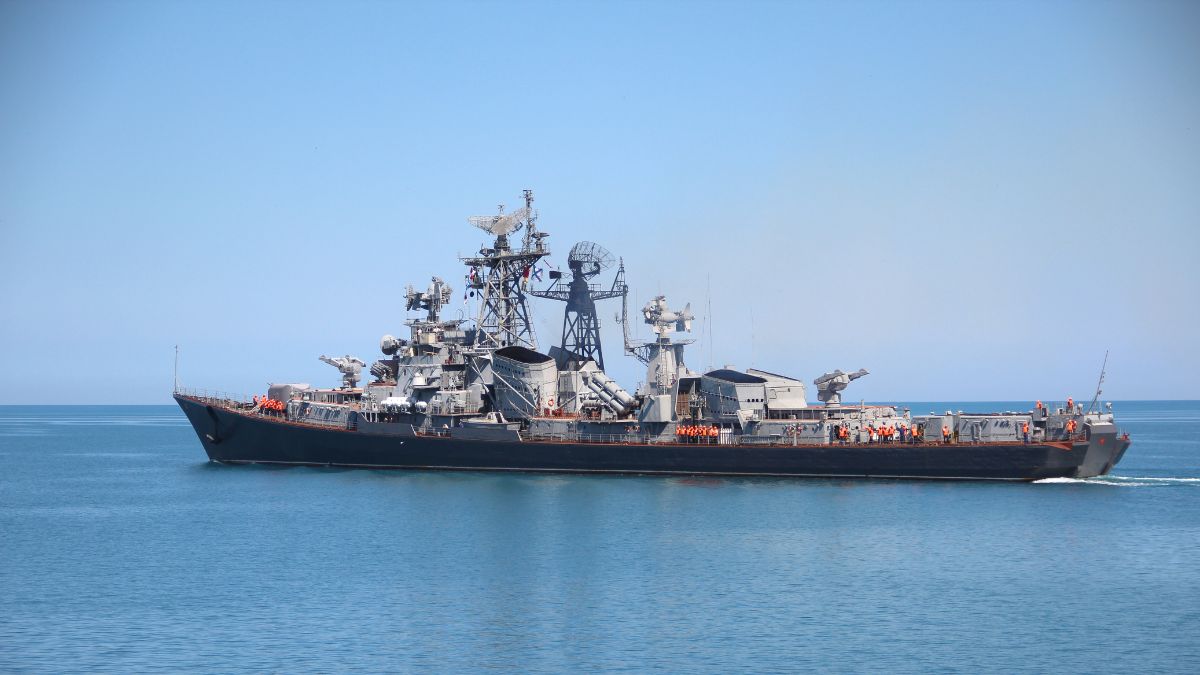
The U.S. Navy has conducted the first-ever launch of a one-way attack drone from the deck of a surface combatant. The drone, designated Low-cost Unmanned Combat Attack System (LUCAS), was deployed from the Independence-class littoral combat ship USS Santa Barbara (LCS-32). The system is modeled after the Iranian Shahed-136 design.
Task Force 59, operating under Task Force Scorpion Strike, managed the launch and operation. The test occurred in the Arabian Sea on December 16, 2025. This marks the initial deployment of a dedicated one-way attack drone squadron to the Middle East region.
LUCAS provides extended-range strike capabilities at reduced cost compared to traditional munitions. The platform supports rapid integration into existing naval operations. It enables persistent offensive options against asymmetric threats.
The USS Santa Barbara serves as part of forward-deployed naval forces enhancing maritime security. Littoral combat ships feature modular mission packages for unmanned systems integration. This configuration facilitates testing of emerging autonomous technologies.
One-way attack drones prioritize affordability and mass production over recovery. They deliver precision effects similar to cruise missiles but with lower acquisition expenses. The design emphasizes simplicity in manufacturing and deployment.
This milestone expands unmanned aerial options beyond reconnaissance roles. It incorporates offensive payloads directly from surface vessels. The approach aligns with efforts to counter proliferating drone threats globally.
Task Force 59 focuses on integrating unmanned systems across domains. Recent operations include robotic surface vessels and aerial platforms. The unit tests concepts for distributed maritime operations in contested environments.
The launch demonstrates maturation of unmanned combat integration protocols. Crews executed procedures for deck handling, fueling, and release. Data collection supports refinement of tactics and employment doctrines.
Naval forces continue evaluating low-cost attritable systems for fleet defense. These platforms supplement manned aircraft in high-risk missions. They enable saturation attacks while preserving higher-value assets.
This development reflects broader adoption of unmanned technologies in naval warfare. It addresses requirements for scalable, expendable strike options. Future iterations may incorporate advanced guidance and swarm coordination features.
The test validates shipboard compatibility with loitering munition classes. It positions the Navy to field operational capabilities rapidly. Integration efforts prioritize interoperability with existing command networks.