Ukrainian Women Embrace Combat Roles as Technology Reshapes Battlefield

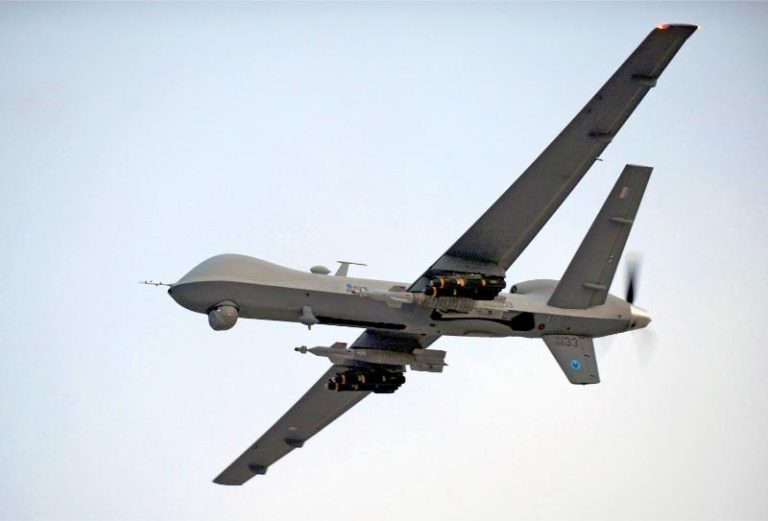
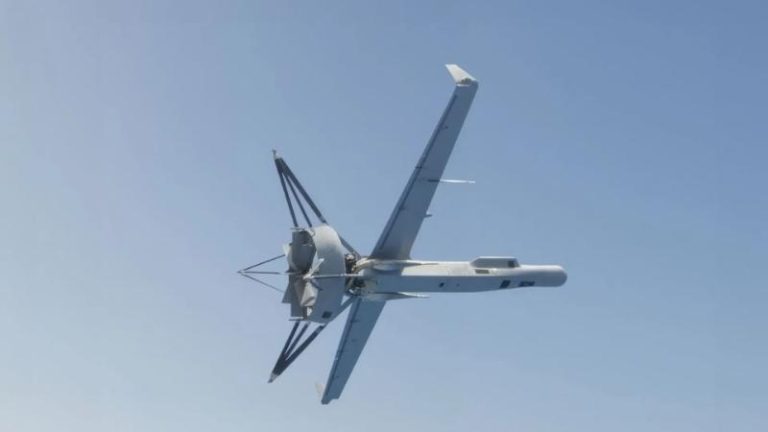
Drones and electronic warfare systems enable Ukrainian women to shift from traditional support positions to frontline operations, reducing physical risks while amplifying tactical impact. First-person-view FPV drones, piloted remotely with video feeds, deliver precision strikes on Russian armor up to 10 kilometers away, transforming combat dynamics in a war where unmanned systems account for 80% of battlefield engagements. This hardware evolution lowers barriers for female recruits, who now comprise 20% of Ukraine’s 70,000 active servicewomen, up from 15% in 2022.
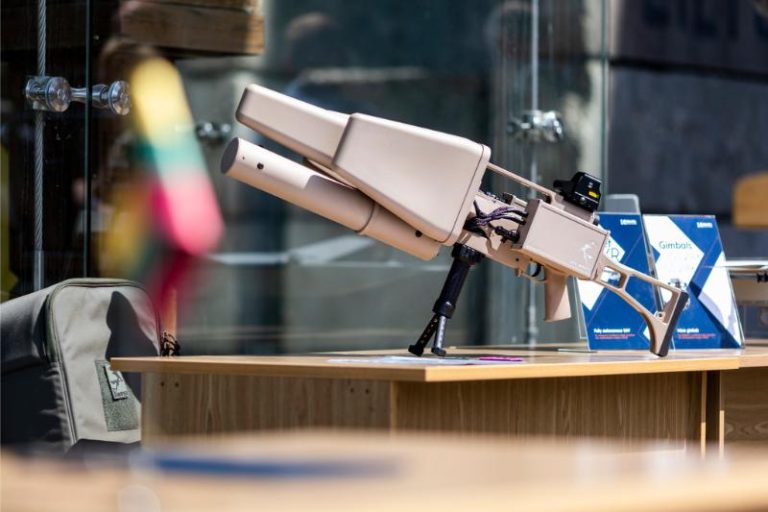
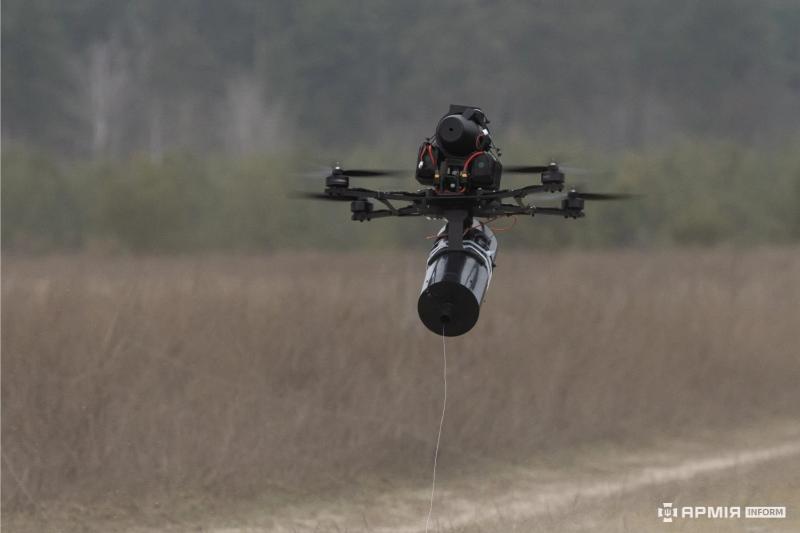
The Unmanned Systems Battalion fields over 500 operators, with women like 26-year-old Monka piloting FPV quadcopters equipped with 1-kilogram warheads and stabilized cameras for real-time targeting. These devices, assembled from commercial components costing $500 per unit, integrate open-source flight controllers running ArduPilot software for waypoint navigation and obstacle avoidance. Training lasts four weeks, using VR simulators to master signal jamming countermeasures, where Russian electronic warfare disrupts 40% of drone signals via Krasukha-4 systems operating at 1-18 GHz frequencies.
In the Kraken 1654 unit, 27-year-old Imla coordinates drone swarms from concealed bunkers, employing mesh networking protocols to relay data across 20-unit fleets without central failure points. Hardware includes Raspberry Pi-based ground stations processing 1080p feeds at 60 fps, paired with directional antennas boosting range by 30%. Software updates deploy via USB sticks, incorporating machine learning models for target recognition that achieve 85% accuracy on T-72 tanks, per Ukrainian defense ministry logs.
The Khartiia Brigade’s technical teams, led by 20-year-old Chibi, repair 50 drones daily in basement workshops, soldering lithium-polymer batteries and recalibrating gyroscopes after crash recoveries. These roles demand proficiency in C++ programming for custom firmware, addressing vulnerabilities like GPS spoofing that affected 15% of missions in Q3 2025. Over 5,500 women now serve in direct combat, with recruitment targeting STEM graduates for roles in sensor fusion and payload integration.
This integration reflects a doctrinal pivot, where Ukraine’s 2025 defense budget allocates $2.5 billion to unmanned tech, sourcing 70% from domestic startups like Athlon Avia. Women operators report 25% higher mission success rates due to lower visibility profiles, evading Russian thermal seekers. U.S. allies have supplied 10,000 Switchblade loitering munitions, compatible with Ukrainian FPV interfaces, enhancing interoperability under NATO standards.
For American observers, Ukraine’s model previews drone-centric warfare, influencing U.S. Army’s Replicator initiative to field 1,000 autonomous systems by 2026. Challenges persist, including operator burnout from 12-hour shifts and Russian hunter-killer drones targeting control signals. Yet, the surge in female participation—60% of new drone recruits—demonstrates technology’s role in democratizing lethality, sustaining a force outnumbered 3-to-1 in manpower.