Ukraine Deploys Underwater Drones to Damage Russian Submarine

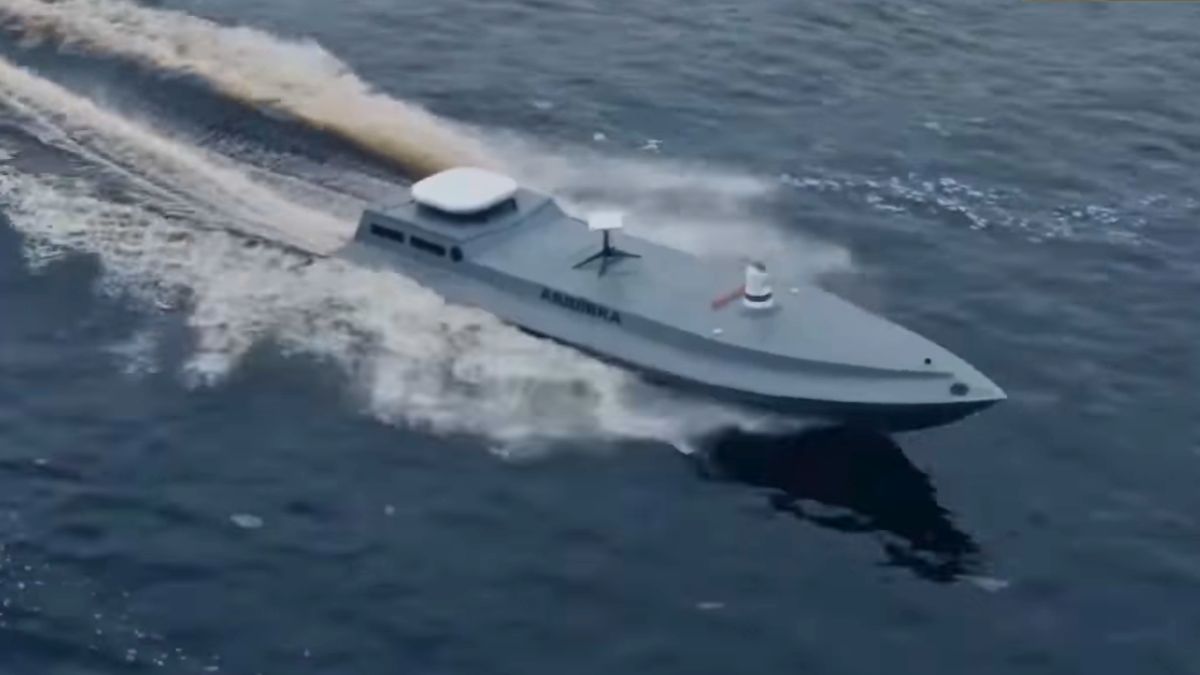
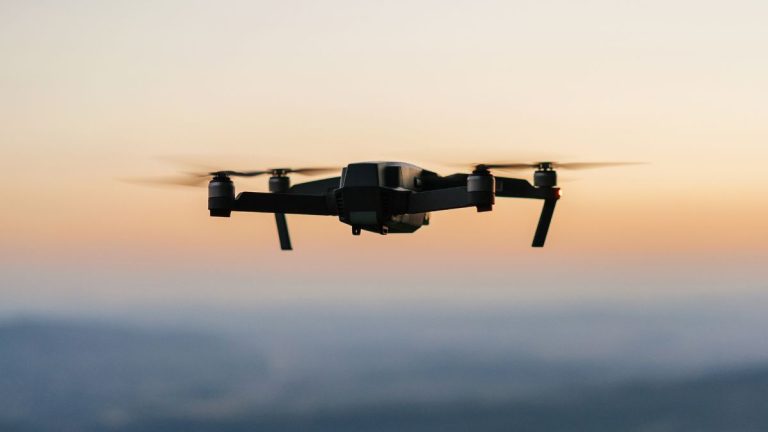
Security Service of Ukraine operatives executed an unprecedented operation using sea drones to target a Russian Project 636.3 submarine. The attack inflicted critical damage on the vessel, marking the first successful strike of its kind against a submarine with unmanned underwater systems. The ‘Sub Sea Baby’ drones, previously employed against oil tankers, delivered explosives directly to the hull.
The submarine, capable of launching Kalibr cruise missiles, sustained breaches requiring extensive repairs. Russian sources confirmed the incident, noting the vessel was docked at a Black Sea facility during the assault. Estimated value of the damaged submarine reaches $400 million, with replacement costs potentially exceeding $500 million under sanctions.
Ukrainian forces adapted surface drone technology for subsurface operations, enhancing stealth and precision. The drones navigated to the target autonomously in parts, evading detection until impact. This evolution builds on prior successes disrupting Russian naval assets.
The operation highlights rapid innovation in asymmetric warfare tools. Low-cost unmanned systems challenge high-value traditional platforms, shifting naval dynamics. Similar drones have targeted Russia’s shadow fleet, reducing oil export capabilities.
Damage assessment indicates the submarine lost combat readiness for an extended period. Repairs face material shortages due to international restrictions on military components. The Black Sea Fleet has relocated deeper assets following repeated strikes.
This strike demonstrates expanding roles for unmanned underwater vehicles in modern conflicts. Integration of AI guidance improves targeting in contested environments. Ukrainian engineers refined propulsion and payload delivery for deeper operations.
Naval powers monitor these developments closely for implications on fleet protection. Traditional anti-submarine measures prove less effective against small, disposable drones. Investments in counter-unmanned systems accelerate across militaries.
The attack underscores vulnerabilities in docked high-value targets. Russian defenses failed to intercept the approaching drones despite proximity alerts. Enhanced perimeter sensors become priority for remaining fleet units.
Unmanned systems proliferate, lowering barriers to advanced naval strikes. Ukraine produces these drones domestically, scaling output rapidly. Costs remain fractions of manned alternatives or missiles.
Success validates investment in drone warfare ecosystems. From aerial to subsurface domains, unmanned platforms reshape engagement rules. Future iterations may incorporate longer ranges and swarm capabilities.
The operation alters risk calculations for submarine deployments. Crewed vessels face persistent threats even in port. Shift toward distributed, resilient basing emerges as countermeasure.
Ukrainian forces continue refining underwater drone variants. Improved sensors and warheads address evolving defenses. Production ramps support sustained campaigns against naval infrastructure.
This milestone accelerates global interest in unmanned maritime technologies. Defense contractors explore similar systems for expeditionary roles. Integration with existing fleets challenges doctrinal updates.
The strike reinforces unmanned vehicles as force multipliers in prolonged conflicts. Low-signature attacks enable strategic effects without escalation risks of manned missions. Naval balance tilts toward adaptable, affordable innovations.