The US Army Crafts Playbook for Integrating Small Drones into Tank Formations

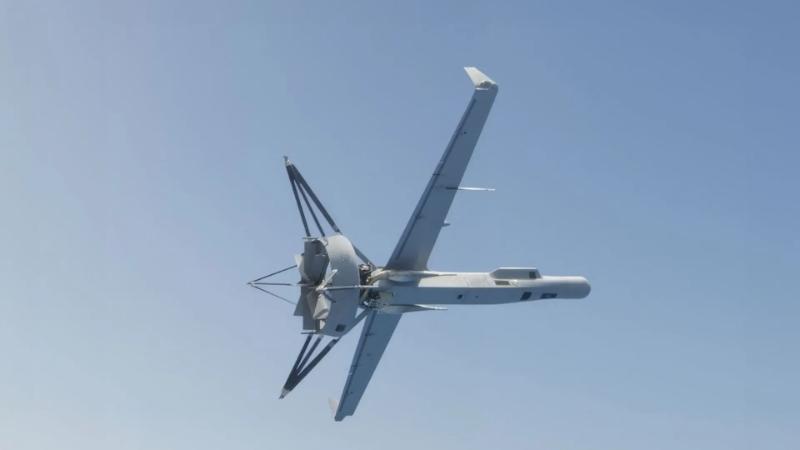
The US Army adapts quickly to modern warfare by weaving small drones into its armored units. This push comes from Transformation-in-Contact brigades that test new gear while reshaping training. At Fort Stewart in Georgia, the 3rd Infantry Division leads the charge in certifying soldiers to fly small unmanned aerial systems. Their work helps build Army-wide standards for drone use in every formation.
Captain William Langley heads unmanned aerial systems and electronic warfare for the 6th Squadron, 8th Cavalry Regiment in the 2nd Armored Brigade Combat Team. He notes that the division creates operator qualification methods and shares insights with higher commands to shape a service-wide course. Both the 1st and 2nd Armored Brigade Combat Teams join this effort through the Transformation-in-Contact program. The focus stays on blending drones seamlessly with tank operations.
Captain Brenden Shutt serves as the division’s innovation officer. He points out a key change from past practices where only dedicated specialists handled drones. Now the Army trains regular infantry and armor soldiers to operate them. This broader approach makes drone skills accessible across roles rather than limiting them to a few experts.
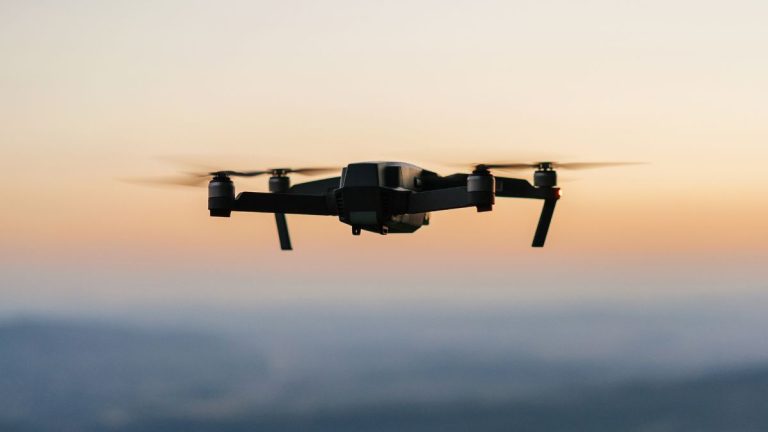
The division prioritizes drones in groups 1 and 2 that weigh under 55 pounds. They have fielded more than 150 units including the Anduril Ghost-X, Performance Drone Works C100, Neros Archer, Teal 2, and AeroVironment Switchblade 600. Soldiers often deploy these in hunter-killer pairs. Reconnaissance drones spot targets while strike-capable ones like the Archer engage them directly.
Training begins with around 40 hours in simulators to master basics without risk. Soldiers then move to small first-person view drones and navigate obstacle courses and gates. They advance to larger systems and practice coordinating with traditional armor and infantry maneuvers. This step-by-step method builds confidence and tactical integration safely.
The ultimate aim gives every soldier baseline drone proficiency similar to rifle qualification. Maintenance troops, infantrymen, and even communications specialists gain enough familiarity to contribute effectively. A short refresher in simulators or the field lets them deliver real impact during exercises or missions. This democratizes technology and boosts unit flexibility.
These developments show how the Army prepares for multi-domain battles where unmanned systems play central roles. Small drones extend eyes and firepower for tank crews without extra exposure. The 3rd Infantry Division’s experiments set patterns that other units will likely follow. It marks an exciting evolution in ground combat capabilities.
What do you think about making drone operation a standard skill for all soldiers—share your thoughts in the comments.