SpaceX Urges Global Coordination After Narrowly Avoiding Collision with Chinese Satellite

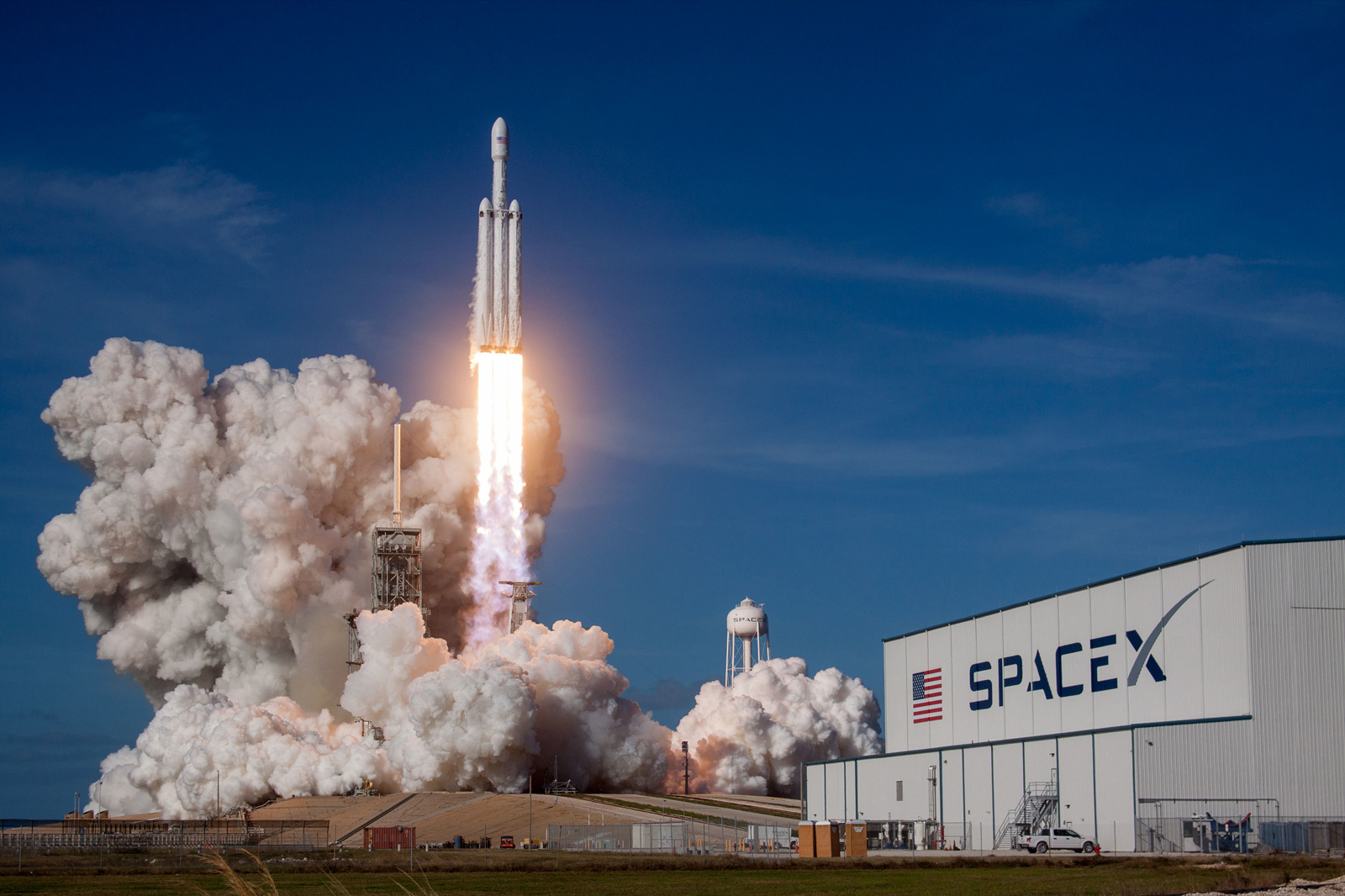
A potential disaster in low Earth orbit was narrowly averted recently when a SpaceX Starlink satellite came dangerously close to a Chinese spacecraft. According to reports, the two objects passed within just 200 meters of one another, a distance considered extremely risky in the high-speed environment of space.
Michael Nicolls, the Vice President of Starlink Engineering, publicly addressed the incident and highlighted the lack of communication that led to the scare. He stated that no prior coordination or data sharing took place regarding the Chinese satellite’s trajectory, which left SpaceX operators unaware of the approaching danger until it was nearly too late.
The primary issue identified by Nicolls is the failure of satellite operators to share “ephemeris” data, which provides precise details on an object’s location and orbit. Without this vital information, operators cannot effectively predict close passes or perform necessary avoidance maneuvers to ensure safety.
In response to the criticism, the Chinese commercial launch provider CAS Space acknowledged the event and expressed a willingness to improve future operations. They noted that the close pass occurred well after their launch mission had concluded but agreed that re-establishing collaboration between space entities is necessary to prevent similar incidents.
This event serves as a stark reminder of the growing congestion in our planet’s orbit as more nations and companies deploy massive satellite constellations. Experts continue to warn that without better international traffic management and transparency, the risk of catastrophic collisions and dangerous space debris will only increase.
Please share your perspective on whether stricter international regulations are needed for space traffic management in the comments.