Space Collision Narrowly Avoided as Orbital Risks Escalate

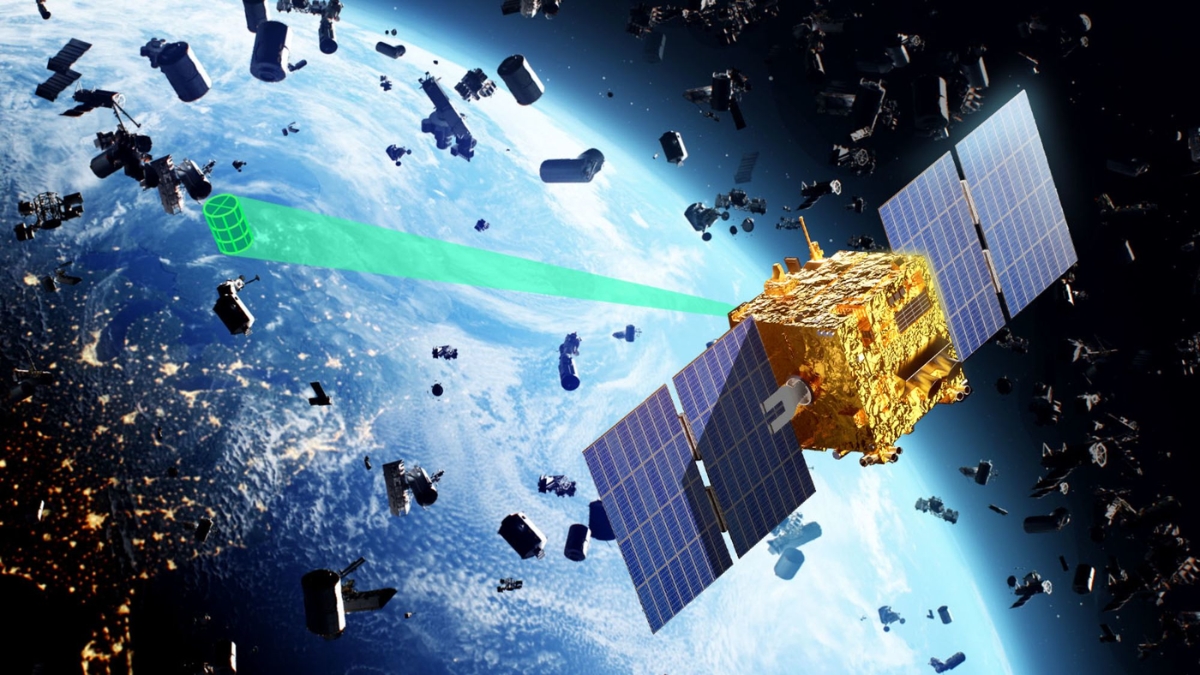
A catastrophic collision in low Earth orbit was narrowly averted this week, highlighting the growing dangers of space congestion. A newly launched Chinese satellite passed dangerously close to a SpaceX Starlink spacecraft, missing it by just 200 meters. While this distance might seem significant on Earth, in the vacuum of space where objects travel at roughly 28,000 kilometers per hour, it represents a razor-thin margin of safety.
The incident occurred roughly 560 kilometers above the planet and involved a satellite deployed by the Chinese commercial company CAS Space. This close encounter has sparked a fresh round of debate regarding the lack of communication between rival space operators. SpaceX representatives expressed frustration, noting that they received no prior data regarding the Chinese satellite’s trajectory.
Without shared flight paths or “ephemeris data,” automated collision avoidance systems cannot function effectively. Michael Nicolls, a Vice President at Starlink, publicly criticized the lack of coordination, stating that such gaps in communication create unnecessary hazards. In response, CAS Space claimed they relied on ground-based tracking to select their launch windows but acknowledged the event took place well after their rocket had deployed its payload.
This near-miss serves as a stark reminder of the “Kessler Syndrome,” a theoretical scenario where a single collision creates a cloud of debris that triggers a chain reaction of further crashes. Such an event could render vast sections of Earth’s orbit unusable for generations. Experts warn that as mega-constellations continue to expand, these close calls will likely become a routine and terrifying part of spaceflight.
The statistics paint a worrying picture of our orbital environment. In just five years, the number of active satellites has nearly quadrupled, jumping from roughly 3,400 in 2020 to nearly 13,000 by the end of 2025. With thousands more launches planned, the margin for error is disappearing rapidly.
Do you think stricter international laws are needed to manage space traffic, or is this just the price of technological progress? Let us know your thoughts in the comments.