Shield AI Deploys V-BAT Drones in Ukraine Combat Operations

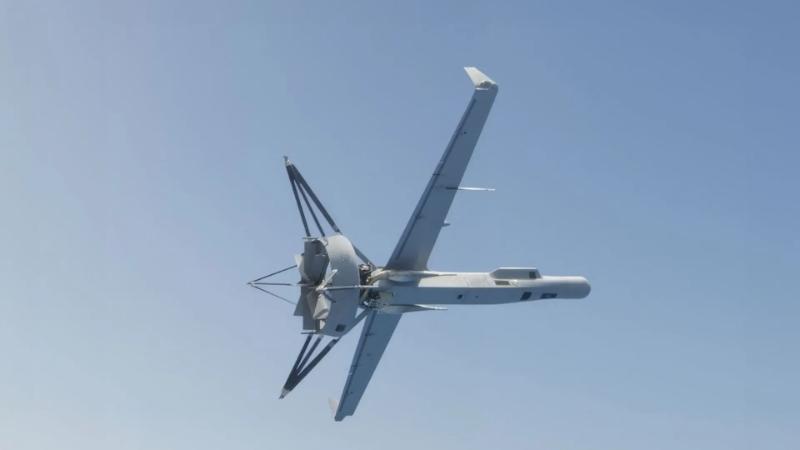
Shield AI’s V-BAT autonomous vertical takeoff and landing drones have conducted over 35 missions in Ukraine. These operations identified more than 200 Russian military targets. The drones completed an eight-month iteration process in 2024 to withstand Ukrainian battlefield jamming conditions. Deployments accelerated throughout 2025 with direct combat exposure.
V-BAT systems operate without GPS reliance through onboard AI navigation. The platform features a modular design supporting intelligence, surveillance, and reconnaissance payloads. Shield AI engineers refined electronic warfare resistance based on real-world data from Ukrainian operators.
The company achieved a $5.6 billion valuation following multiple funding rounds focused on autonomous systems. Shield AI maintains production facilities in the United States for military-grade unmanned aircraft. V-BAT units integrate with existing forces through standard command interfaces.
Ukrainian forces utilized the drones for target location in contested environments. Missions involved extended loiter times over areas with active Russian electronic countermeasures. Shield AI reported zero losses attributed to jamming failures post-iteration.
The deployments mark the first large-scale combat use of Shield AI’s autonomy software in high-intensity conflict. V-BAT complements manned assets by providing persistent overhead coverage. Operators control multiple units simultaneously via ground stations.
Industry analysts note the performance validates vision-based AI for denied environments. Shield AI competes with traditional defense contractors through rapid development cycles. The company emphasizes software-defined upgrades over hardware redesigns.
Ukrainian feedback drove specific enhancements to sensor fusion algorithms. V-BAT drones transmitted real-time imagery despite interference attempts. Integration with artillery units enabled rapid strike coordination.
Shield AI continues expanding production capacity for international partners. The platform supports various payload configurations including electro-optical and infrared sensors. Combat data informs ongoing AI model training for future variants.
These operations demonstrate autonomous systems transitioning from testing to frontline roles. Shield AI positions V-BAT as a force multiplier for dismounted troops. The drones reduce exposure risks during reconnaissance tasks.
Performance metrics from Ukraine highlight reliability under electronic attack. Shield AI maintains contracts with U.S. special operations forces alongside foreign allies. V-BAT fleet expansion supports increased operational tempo in multiple theaters.