Sci-Fi Became Reality With These 2025 Military Tech Breakthroughs

The year 2025 marked a definitive shift where high-concept warfare technology moved from theoretical PowerPoint slides to active deployment. Defense analysts often joke about game-changing gear that never actually arrives or requires a doctorate to operate. This past year proved different as hardware finally caught up to the wildest imagination of futurists. We are no longer discussing prototypes but rather fielding systems that fundamentally alter how battles are fought and won.
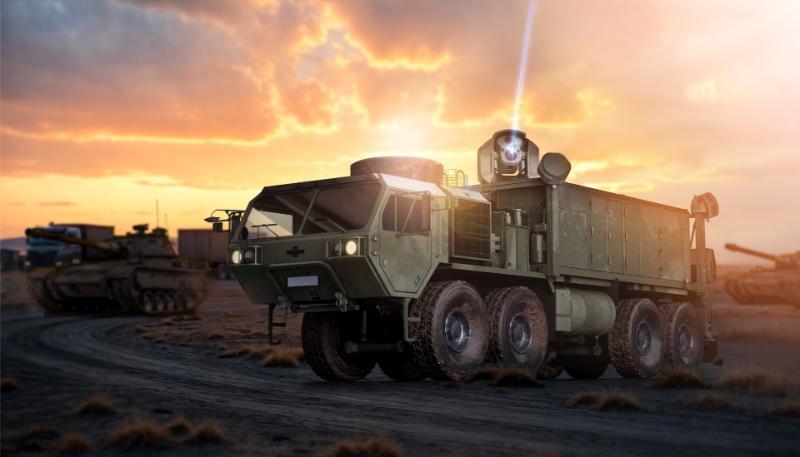
Israel officially operationalized the Iron Beam in late 2025 after years of development by Rafael Advanced Defense Systems. This high-energy laser weapon effectively creates a defensive wall that incinerates incoming threats like rockets or mortars. The system uses a 100kW beam to superheat the target until it fails structurally in mid-air. It functions without the need for traditional ammunition refills as long as the generator has power.
The economic impact of the Iron Beam is perhaps its most revolutionary feature. Traditional interceptor missiles can cost tens of thousands of dollars to shoot down a cheap enemy projectile. In contrast the Iron Beam engages targets for roughly three dollars per shot. This disparity creates a financial model where saturation attacks become economically unsustainable for an adversary.
Aerial autonomy also saw a massive leap with the introduction of the Roadrunner by Anduril Industries. This twin-jet autonomous vehicle looks like something straight out of a golden age sci-fi comic. It launches vertically to hunt for targets and can return home if no threat is engaged. The drone lands on its tail like a retro rocket ship to be refueled and reused for the next mission.
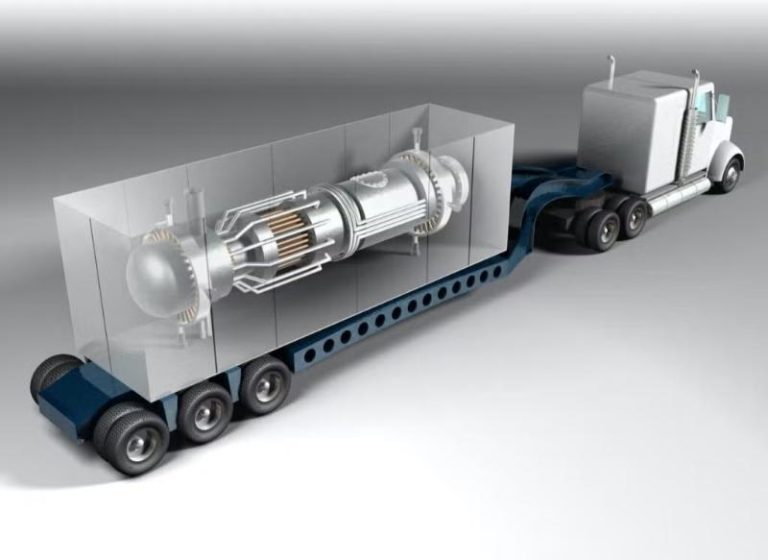
Logistics and power generation received a nuclear upgrade through the Department of Defense’s Project Pele. The military reached a historic milestone in December 2025 by accepting fuel for portable nuclear microreactors. These units are designed to fit inside standard shipping containers and can power remote bases for years. This innovation removes the need for dangerous fuel convoys that are often the most vulnerable targets in a conflict zone.
Medical technology on the battlefield also advanced with the successful trials of synthetic freeze-dried blood. Researchers have developed a powder known as Nano-RBC that mimics the oxygen-carrying capacity of real red blood cells. This substance solves the logistical nightmare of keeping blood bags refrigerated in harsh environments. Medics can now store life-saving synthetic blood at room temperature for years without spoilage.
Stealth technology evolved beyond night vision limitations with the introduction of adaptive thermal materials like the HT4 system. Old thermal optics made hiding impossible because body heat always gave a soldier away. This new thermal camouflage adapts to the ambient temperature of the background environment. A soldier standing against a cold rock wall effectively disappears from thermal sensors by matching the stone’s temperature.
Tell us which of these technological leaps surprised you the most by sharing your thoughts in the comments.