Russia Deploys First S-500 Air Defense Regiment

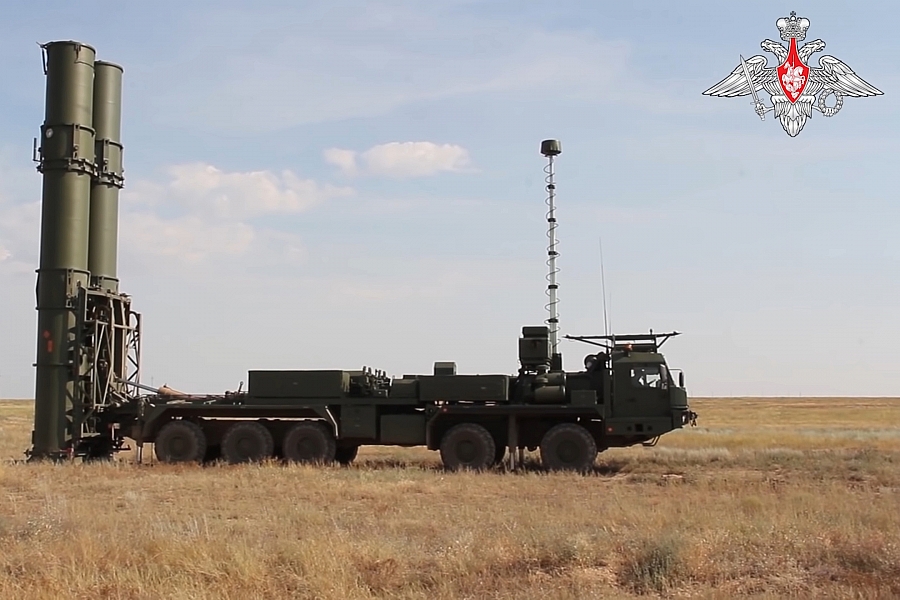
Russia has placed its initial regiment equipped with the S-500 Prometheus air and missile defense system on combat duty. The advanced platform targets threats including ballistic missiles, hypersonic vehicles, and objects in near space. Russian Defense Minister Sergei Shoigu announced the deployment, marking operational readiness for the system’s unique capabilities.
The S-500 features extended range detection and engagement compared to predecessors like the S-400. It incorporates separate radars for long-range surveillance and precision targeting. The system engages up to 10 ballistic targets simultaneously at speeds exceeding Mach 5.
Development of the S-500 began in the early 2010s by Almaz-Antey. Initial testing occurred in 2021, with serial production ramping up thereafter. The regiment’s activation follows successful state trials validating interception of complex aerial threats.
Integration with existing Russian air defense networks enhances layered protection. The S-500 operates alongside S-400 and S-300 units for comprehensive coverage from low to high altitudes. Mobile launchers ensure rapid relocation across vast territories.
The deployment addresses evolving threats from advanced Western weaponry. Russian officials emphasize the system’s role in countering hypersonic developments by the United States and allies. No specific location for the first regiment has been disclosed.
Technical specifications include a maximum interception altitude approaching 200 kilometers. The Prometheus variant focuses on anti-ballistic missile defense, distinguishing it from air-focused predecessors. Export versions remain under consideration for select partners.
This milestone advances Russia’s strategic defense posture amid ongoing geopolitical tensions. The S-500 represents the latest generation in a long line of surface-to-air missile evolution. Further regiments are expected to enter service in coming years.
Analysts note the system’s potential to complicate aerial operations in contested regions. Integration of artificial intelligence aids in target discrimination and engagement decisions. Russia continues investments in next-generation defenses to maintain parity.