Pandemic Déjà Vu and the Unnecessary Media Hype Surrounding the Nipah Virus

Two recent cases of infection in India have triggered a familiar sense of anxiety across the globe. We are seeing images of thermal cameras returning to Asian airports which reminds many people of the early days of 2020. These events are not the beginning of a new pandemic but serve as a reminder of nature’s unpredictability. The news of a new virus now travels significantly faster than the pathogen itself due to modern technology.
Pandemics were once announced by the ringing of church bells and the closing of city gates. Today we receive these warnings through push notifications and social media feeds filled with alarming photos. The reappearance of thermal scanners at airports has become a global symbol of confused helplessness and panic. This reaction often outpaces the actual biological threat posed by the virus in question.
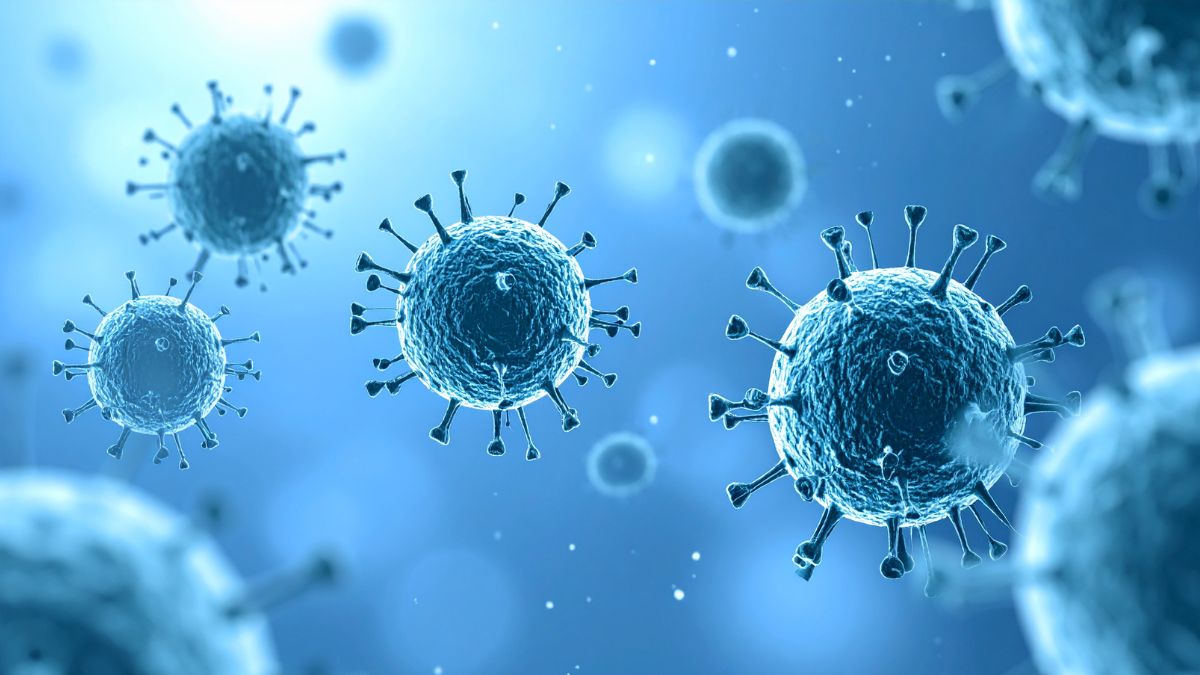
The Nipah virus is an enveloped virus that has serious ambitions when it jumps to humans. It originates from animals and specifically involves fruit bats which are also known as flying foxes. Infection can occur through direct contact with these animals or by consuming contaminated food such as palm sap. The virus can cause symptoms ranging from a common cold to severe encephalitis.
Historical outbreaks in places like Malaysia and Singapore have provided scientists with crucial data about how this pathogen operates. Nipah is not destined to become a sequel to the situation we faced with Covid. The transmission dynamics are different even though the mortality rate for Nipah is concerningly high. It does not spread through the air as easily as the coronavirus did during the recent global crisis.
The current media frenzy often exaggerates the immediate danger to the general public. While the virus is serious and requires monitoring, the comparison to previous lockdowns is largely unjustified. Health organizations are better prepared now to isolate cases before they spread widely. This situation highlights the fine line between necessary caution and counterproductive panic.
We must understand that nature always holds the potential for unpleasant surprises without living in constant fear. The term ‘pandemic’ generates clicks and views which incentivizes news outlets to sensationalize these isolated outbreaks. Educating oneself on the actual transmission methods is the best defense against this fear. This latest scare is likely just another instance of the news cycle running ahead of the scientific reality.
Do you think the media has a responsibility to tone down the alarmist language during minor outbreaks, so let us know your opinion in the comments.