NVIDIA Plans RTX 50 Series Production Cuts Amid Memory Shortages


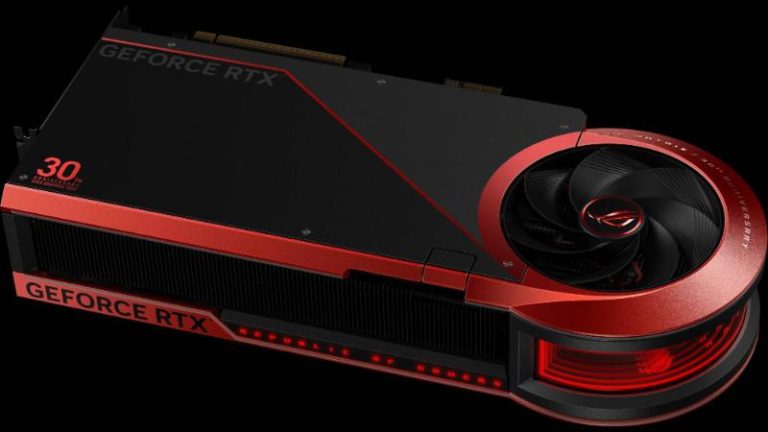
Reports from supply chain sources indicate NVIDIA intends to reduce production of its GeForce RTX 50 series graphics cards in the first half of 2026. Multiple outlets cite Chinese forum Board Channels claiming overall supply could drop 30 to 40 percent compared to the same period in 2025. The adjustments stem from ongoing global shortages of memory components, including GDDR7 and GDDR6 modules critical for Blackwell architecture GPUs.
Mid-range models face initial impacts. Sources confirm the RTX 5070 Ti and RTX 5060 Ti 16GB variants will see priority reductions due to their reliance on higher-capacity VRAM while offering lower margins than flagship cards. Add-in-card partners and component suppliers report NVIDIA prioritizing professional RTX PRO series products, which command higher prices amid sustained AI demand.
Memory constraints extend beyond GPUs. Rising DDR5 and NAND prices already affect PC system costs, prompting vendors to forecast higher retail pricing across components in 2026. NVIDIA’s decision avoids immediate price hikes on existing RTX 50 stock but risks tighter availability for consumer gaming cards.
The cuts align with broader industry trends. Competitors face similar DRAM and VRAM bottlenecks, while hyperscalers secure long-term contracts for data center GPUs. Consumer GeForce demand remains tied to PC refresh cycles, potentially softening without aggressive pricing.
NVIDIA has not officially commented on the reports. Production plans remain subject to change based on memory supply recovery and market conditions. The RTX 50 series, launched throughout 2025, continues to represent NVIDIA’s current gaming flagship lineup with no next-generation architecture expected until 2027.
Supply chain analysts note the reductions could clear inventory channels ahead of rumored RTX 50 Super refreshes at CES 2026. Higher-margin variants or updated models may receive preferential allocation if shortages persist. Gamers seeking upgrades face potential stock constraints on value-oriented SKUs in early 2026.
The situation underscores NVIDIA’s dual focus on gaming and AI markets. Record data center revenue offsets any consumer segment slowdown, allowing strategic reallocation of limited memory resources. Industry observers monitor whether similar adjustments affect AMD or Intel graphics production.