
Nvidia Deploys Location Verification in Blackwell Chips to Combat Smuggling

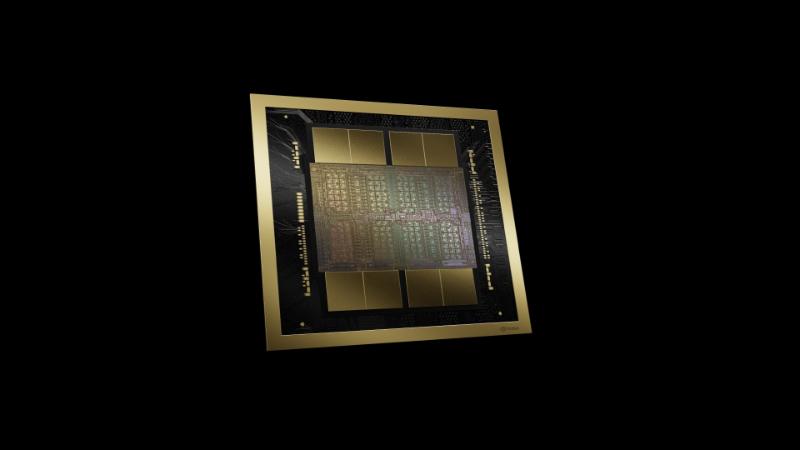
Nvidia has integrated a location verification mechanism into its ‘Blackwell’ AI chips, enabling hardware-based authentication to confirm the geographic origin and intended deployment site of each unit. This technology, which uses embedded sensors and cryptographic protocols to bind chip functionality to predefined coordinates, aims to prevent unauthorized diversions to restricted markets like China. By requiring verification during boot-up, the system disables operations if the chip detects relocation without approval, addressing U.S. export control evasions that have cost the industry billions in lost revenue.
The development comes amid heightened scrutiny from the U.S. Department of Commerce, which reported over 1,200 export violation cases involving advanced semiconductors in 2025 alone. Nvidia’s implementation leverages GPS-derived timestamps and tamper-evident logging, ensuring that any attempt to spoof location triggers a permanent lockout. Initial rollout targets enterprise customers in data centers across North America and Europe, with firmware updates deployable via over-the-air channels starting next quarter.
This measure builds on existing compliance tools, such as watermarking in chip firmware, but introduces active geofencing at the silicon level. Analysts at Bernstein Research estimate that smuggling losses for U.S. AI hardware exceeded $5 billion in the past year, primarily through third-party resellers in Southeast Asia. Nvidia’s approach could reduce such incidents by up to 70%, according to internal simulations, while maintaining performance metrics like 30 petaflops of FP8 tensor compute per ‘B200’ GPU.
Beyond enforcement, the verification tech supports supply chain transparency for multinational deployments. For instance, cloud providers like AWS and Azure can now audit chip provenance in real-time, integrating with their existing zero-trust architectures. The protocol complies with updated Bureau of Industry and Security guidelines, which mandate dual-use technology tracking under Export Administration Regulations section 744.
Industry observers note that similar features appear in upcoming AMD ‘MI400’ series accelerators, signaling a broader trend toward “trusted compute” in AI infrastructure. Nvidia plans to extend the capability to edge devices by mid-2026, potentially incorporating blockchain-ledger integration for immutable audit trails. This positions the company to navigate escalating geopolitical tensions, including potential tariffs on non-compliant hardware imports.
The rollout coincides with Nvidia’s Q4 earnings, where CEO Jensen Huang highlighted a 150% year-over-year increase in data center revenue, driven by demand for ‘Blackwell’ platforms. Verification-enabled chips carry a 2% premium, offset by reduced regulatory fines averaging $10 million per violation for non-compliant firms. Early adopters report seamless integration with Kubernetes-based orchestration, minimizing latency to under 50 milliseconds during auth checks.
Critics argue that while effective against overt smuggling, the system may drive adversaries toward reverse-engineering efforts, prompting calls for international standards from bodies like the Wassenaar Arrangement. Nonetheless, Nvidia’s innovation underscores the convergence of hardware security and AI ethics, ensuring that compute power aligns with national security imperatives. As export controls tighten, such embedded safeguards could redefine global semiconductor trade dynamics.