New Russian Navigation System Ariadna Claims to Outperform GPS

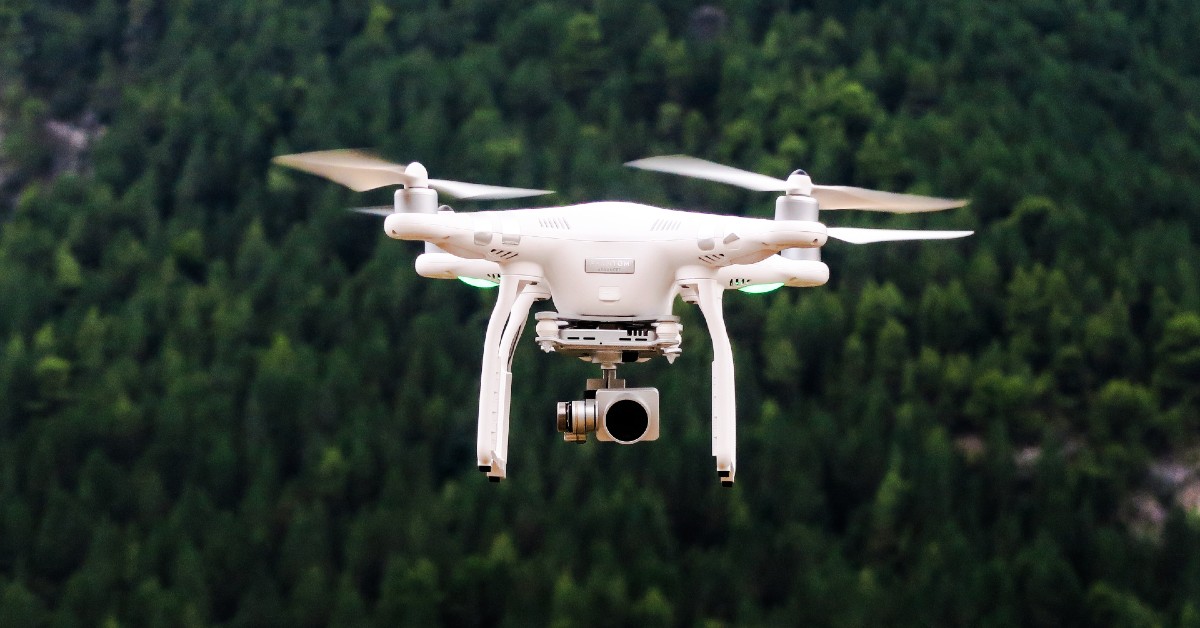
Russian specialists have developed a new navigation system called Ariadna, which reportedly offers significantly higher precision than existing satellite options. The developers claim this technology functions independently of satellite networks like GPS or GLONASS.
According to the National Technology Initiative Project Support Fund, the system relies on a network of ground-based radio stations. These stations act as beacons that transmit precise coordinates to receivers installed on drones and other autonomous vehicles.
The primary advantage cited by the engineers is the system’s extreme accuracy. While standard GPS positioning often has a margin of error between one and two meters, Ariadna allegedly reduces this to just 15 to 20 centimeters.
This level of precision represents an eightfold improvement over traditional satellite navigation. Additionally, the technology is designed to be highly resistant to interference, making it difficult to jam or spoof signals.
Such capabilities are particularly useful for managing swarms of drones. The high-precision data allows multiple unmanned aerial vehicles to operate in close proximity without colliding.
Beyond military or surveillance applications, the system is being positioned for civilian use. Potential sectors include autonomous agriculture, self-driving tractors, and aerial cargo delivery services.
A prototype of the Ariadna system has already successfully passed initial testing phases. The developers have submitted a patent application to secure the intellectual property behind the calculation algorithms used.
This development could mark a shift in how autonomous networks navigate in environments where satellite signals are unreliable or compromised. It remains to be seen how widely this technology will be adopted or if it can scale effectively.
We are interested to hear what you think about this new navigation technology and its potential impact on drone warfare and industry; please share your thoughts in the comments.