
NASA Reveals Which Astronaut Had a Medical Problem on the ISS

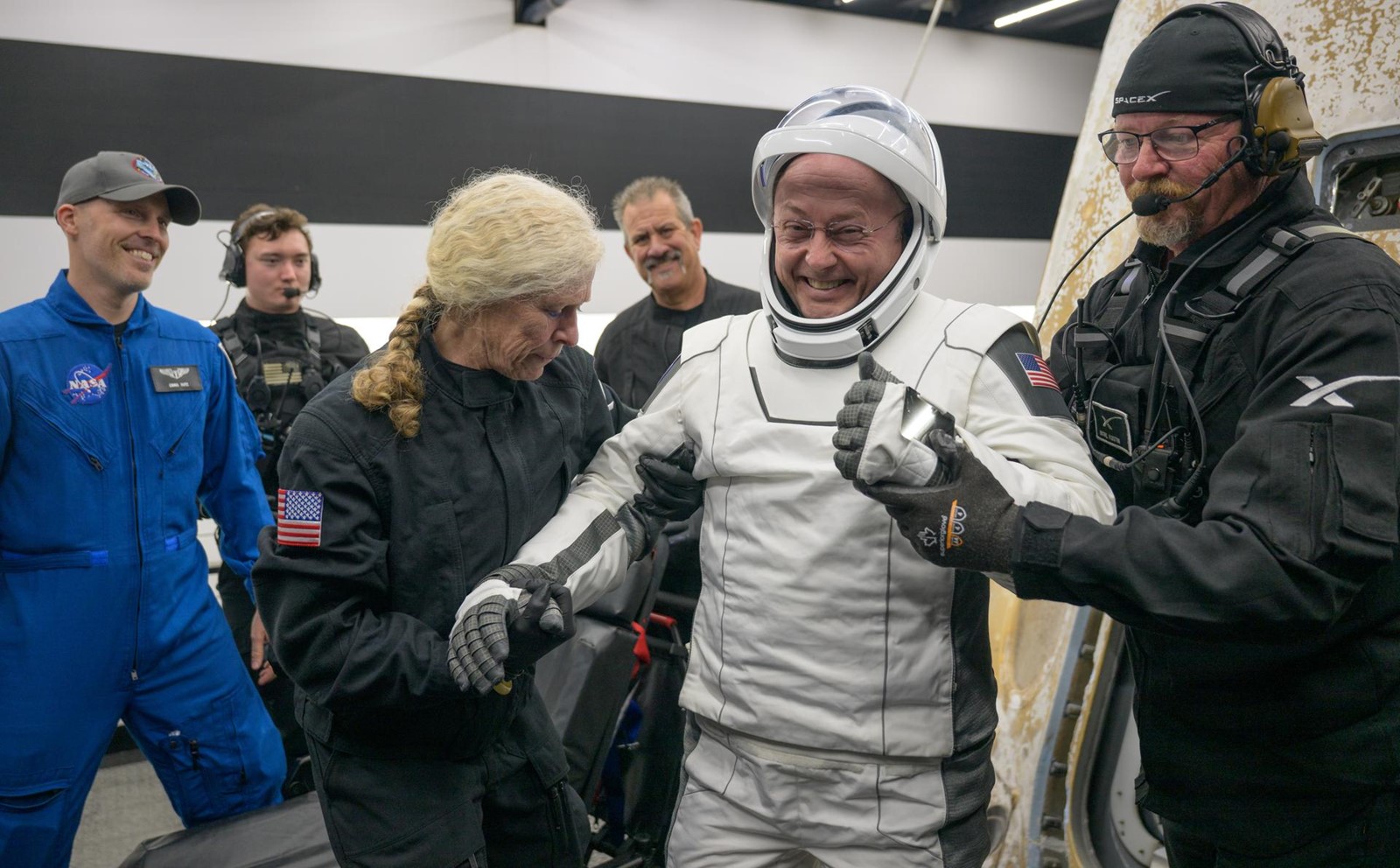
NASA has shared new insights into the astronaut who faced a health issue while living on the International Space Station. The disclosure explains the reasons behind the unexpected early end to the Crew-11 mission. Mike Fincke a seasoned NASA astronaut provided a personal account of the events. He highlighted the exceptional support from his team and mission control that helped resolve the situation effectively.
The Crew-11 expedition brought together a diverse group of spacefarers from around the world. It featured NASA astronauts Mike Fincke and Zena Cardman as well as JAXA astronaut Kimiya Yui and Roscosmos cosmonaut Oleg Platonov. These four launched to the station on a SpaceX vehicle and carried out important work for more than five months. Their time in space involved scientific research and essential maintenance tasks that advance our understanding of life beyond Earth.
Fincke dealt with a medical event on the seventh of January during his stay aboard the outpost. Crew members stepped in immediately to offer aid while consulting with doctors at NASA headquarters. The prompt actions led to a fast improvement in his health status. Everyone involved demonstrated outstanding skill in managing the challenge in a weightless environment.
After detailed review of the circumstances NASA chose to accelerate the return of all Crew-11 participants. This strategy granted Fincke the opportunity to utilize high level diagnostic equipment back on the ground. Such resources include imaging capabilities that are not practical to maintain on the station itself. The plan was executed with precision to maximize safety throughout the journey home.
Their spacecraft completed a smooth landing in the ocean waters off San Diego on January fifteenth. Recovery teams assisted the astronauts right after touchdown and initiated standard procedures. Fincke voiced sincere gratitude toward his Expedition 74 colleagues and the many supporting organizations. He credited NASA and SpaceX personnel along with specialists at Scripps Memorial Hospital in La Jolla in California for their unwavering commitment. This collective effort resulted in an excellent resolution for the entire group.
Fincke now focuses on his readjustment phase at the Johnson Space Center located in Houston. He feels quite positive about his progress and follows the established protocols for returning astronauts. In his update he offered thoughtful reflections on the nature of space missions. Spaceflight stands as a remarkable privilege according to him. At the same time it gently reminds us all of our common human limitations.
This occurrence represents the initial case of its kind in the long history of International Space Station operations. A medical matter had never before forced an early crew departure from the facility. It draws attention to the physical demands placed on individuals during prolonged orbital stays. Microgravity affects the body in various ways that require ongoing monitoring and readiness. Preparations for upcoming missions to the Moon and beyond will benefit greatly from analyzing this episode.
International teamwork proved essential in navigating the unexpected difficulty. Contributions from multiple countries and private industry combined to protect the crew. Ground based experts provided critical input that complemented the onboard capabilities. Such integration builds a robust framework for addressing future uncertainties in space. The positive handling of this event boosts optimism for sustained human presence in orbit.
How do medical challenges like this one shape your perspective on the risks and rewards of long duration human spaceflight? Share your thoughts in the comments.