NASA Prepares to Return Artemis II Rocket to Hangar Due to Helium Flow Issues

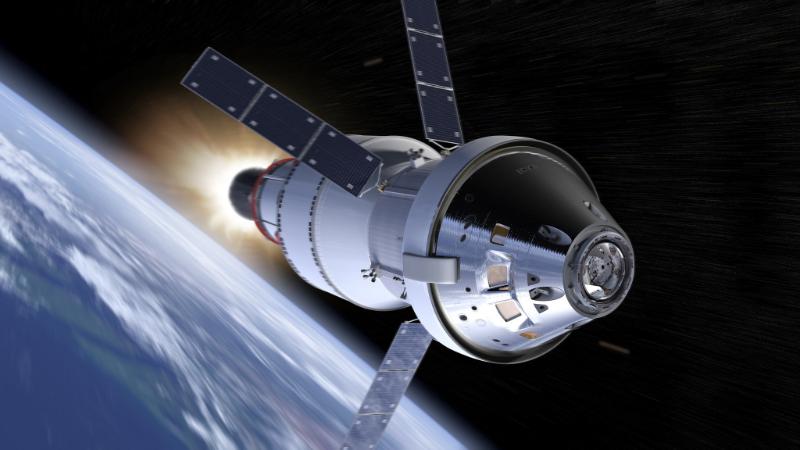
Engineers at Kennedy Space Center in Florida have hit a snag with the Space Launch System rocket for the Artemis II mission. Overnight on February 21, 2026, teams noticed an interruption in the flow of helium to the interim cryogenic propulsion stage. This critical system uses helium to purge the engines and maintain pressure in the tanks holding liquid hydrogen and liquid oxygen. Although everything performed smoothly during the recent wet dress rehearsals, the problem surfaced during routine operations to repressurize the system afterward.
The issue prompted immediate data analysis to pinpoint the cause. Possible culprits include the interface connecting ground lines to the rocket, a valve on the upper stage, or a filter linking the two. NASA Administrator Jared Isaacman shared updates on social media, explaining that the helium bottles handle essential tasks like engine purging and tank pressurization. He noted that similar challenges appeared during preparations for the earlier Artemis I flight, which ultimately launched successfully after troubleshooting.
Preparations are underway to roll the massive rocket and Orion spacecraft back to the Vehicle Assembly Building. Teams began removing access platforms from the launch pad ahead of forecasted strong winds, ensuring the move can proceed safely. This rollback, roughly four miles long, requires controlled conditions only available inside the hangar for proper inspection and repairs. The decision effectively removes the March 6, 2026, launch window from consideration.
The Artemis II mission aims to send four astronauts on a journey around the moon, marking the first crewed flight in NASA’s Artemis program. Astronauts Reid Wiseman, Victor Glover, Christina Koch, and Jeremy Hansen had entered their two-week quarantine period in anticipation of an on-time departure. Recent fueling tests had resolved prior hydrogen leaks, giving hope for progress until this helium setback emerged. Isaacman emphasized that complex modern missions often face such hurdles, far different from the quicker preparations of the Apollo era.
Quick action by the teams could still preserve an opportunity in April, depending on how swiftly the fault is diagnosed and fixed. Engineers are drawing on lessons from Artemis I to speed up the process. The rocket remains in a safe state, using a backup ground system to maintain environmental conditions for the upper stage engines. NASA plans to provide further details in an upcoming briefing.
These kinds of technical challenges remind everyone how demanding deep space exploration truly is. Share your thoughts on the Artemis program’s latest hurdle in the comments.