NASA Astronaut Jonny Kim Lands Safely After 245-Day ISS Mission

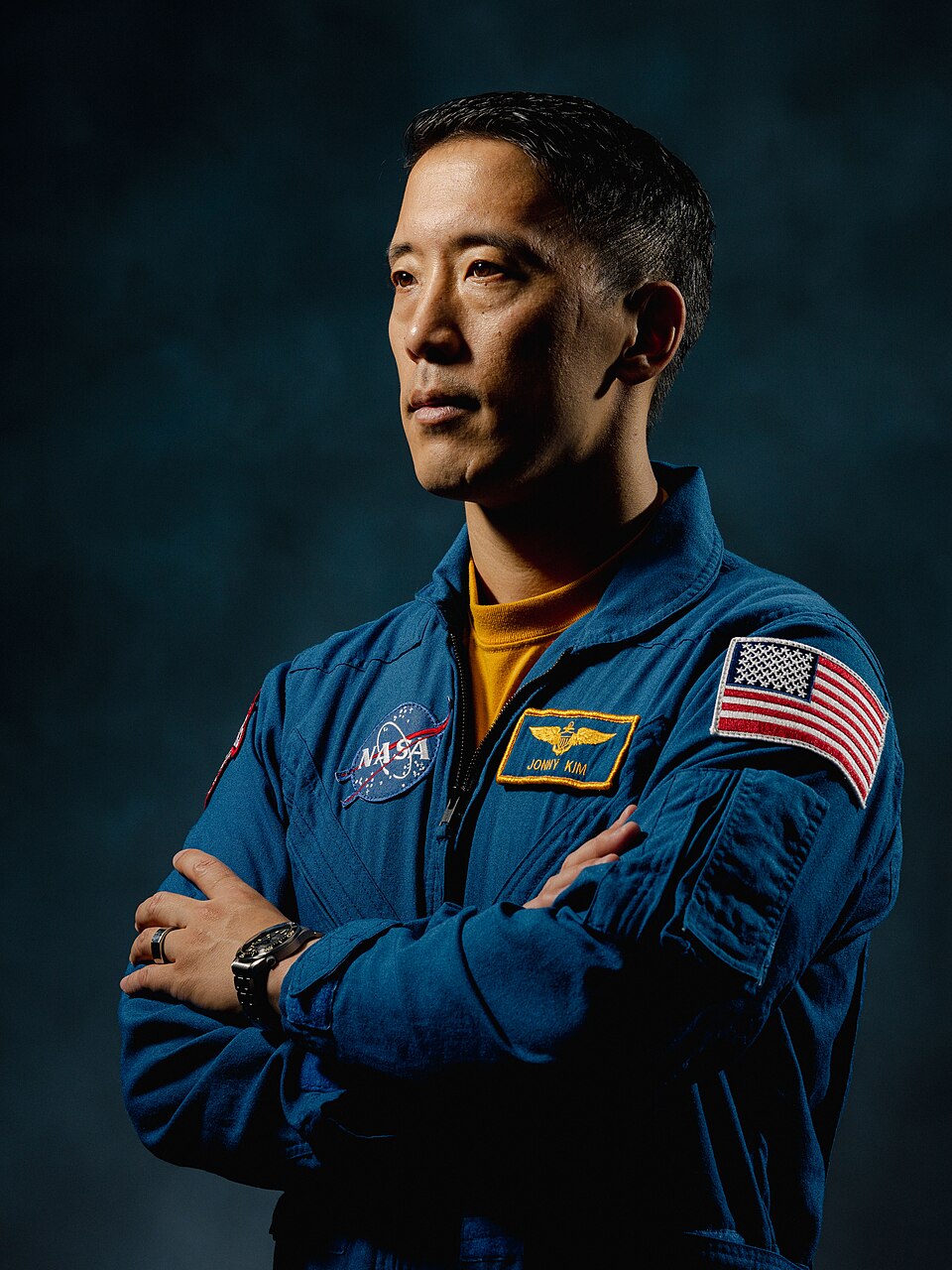
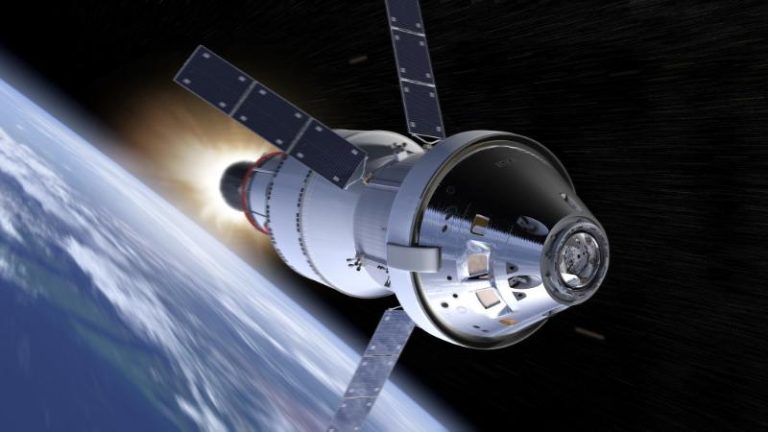
NASA astronaut Jonny Kim has returned to Earth following a 245-day mission aboard the International Space Station, undocking aboard the Russian Soyuz MS-27 spacecraft alongside Roscosmos cosmonauts Sergey Ryzhikov and Alexey Zubritsky. The crew splashed down in the Kazakhstan steppes at 7:17 a.m. EDT, marking the end of Expedition 73 and the transition to Expedition 74. This landing underscores ongoing U.S.-Russia cooperation in low-Earth orbit despite geopolitical tensions, with Kim logging over 23 million miles during his stay.
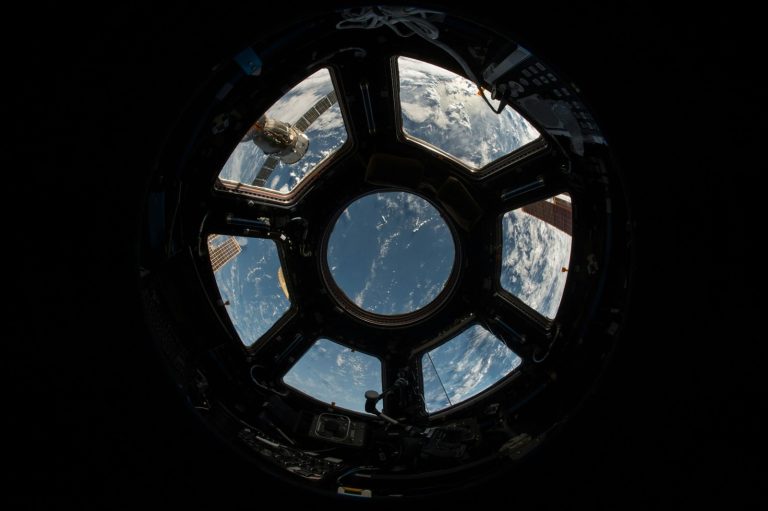
The Soyuz MS-27, launched on March 28, 2025, from the Baikonur Cosmodrome, docked to the Rassvet module of the ISS. Kim, a Navy SEAL veteran and Harvard Medical School graduate, served as flight engineer, conducting over 200 experiments in microgravity biology, fluid physics, and combustion science. His contributions included operating the Cold Atom Lab, which achieved quantum degeneracy in space for the first time in 2025, enabling precise measurements of atomic interactions.
Ryzhikov commanded the mission, overseeing station maintenance such as solar array repairs and airlock upgrades, while Zubritsky managed cargo transfers from the SpaceX CRS-33 Dragon. The trio’s departure cleared the docking port for the incoming Soyuz MS-28, carrying Expedition 74 members including NASA astronaut Zena Cardman. Pre-undock checks confirmed the spacecraft’s propulsion systems, rated for 100,000 hours of operation, performed nominally.
Touchdown occurred via three ballistic parachutes deploying at 5 kilometers altitude, with soft-landing engines firing 1.5 meters above ground to absorb impact at 0.6 meters per second. Recovery teams from NASA and Roscosmos extracted the crew within 20 minutes, providing medical evaluations showing no anomalies. Kim received a traditional Russian welcome gift—a samovar tea set—symbolizing cultural exchange in joint operations.
For U.S. audiences, this mission highlights NASA’s reliance on international partnerships for continuous human presence in space, with the ISS modules contributing 40 percent of the station’s research output. The program’s $3.1 billion annual U.S. funding supports advancements in telemedicine and 3D-printed organs, applicable to remote healthcare on Earth. Kim’s expertise in emergency medicine informed protocols for handling simulated medical emergencies, reducing response times by 15 percent.
The landing coincides with NASA’s preparations for Artemis III, targeting a 2027 lunar landing, where Kim’s microgravity experience informs crew health strategies. Expedition 74, now commanded by Ryzhikov’s successor, will focus on preparing the station for deorbit in 2030, including detachment of the U.S. segment for private ventures. Roscosmos plans to extend its Prichal module docking capabilities to accommodate up to eight vehicles.
Broader implications include sustained U.S. leadership in human spaceflight, with 25 percent of ISS crew slots allocated to NASA through 2030. The mission yielded 1.2 terabytes of data, archived in the NASA’s Open Science Data Repository for global access. Analysts at the Aerospace Corporation project these collaborations will evolve into commercial LEO economies valued at $15 billion by 2028.
As recovery continues, Kim plans to contribute to NASA’s analog missions in Hawaii simulating Mars habitats. The Soyuz MS-27’s reentry capsule, constructed from ablative heat shield materials enduring 1,600 degrees Celsius, will undergo post-flight analysis for future upgrades. This routine yet critical return reinforces the ISS as a proving ground for deep-space technologies, bridging current operations to lunar and Martian frontiers.