Micron Invests $9.6 Billion in Japan for AI Memory Chip Facility

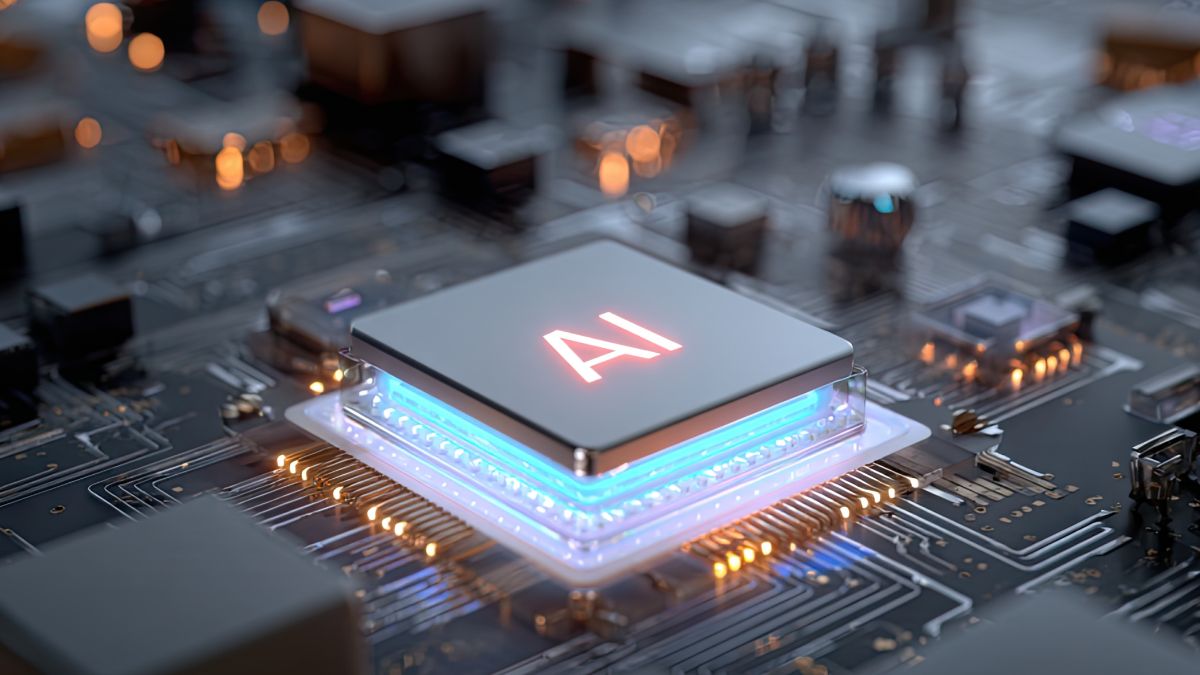
Micron Technology committed $9.6 billion to construct a cutting-edge memory chip plant in Japan, targeting high-bandwidth DRAM essential for AI accelerators and data centers. The facility, located in Hiroshima Prefecture, will produce advanced HBM3E chips with 12-high stacks, enabling 1.2 terabytes per second bandwidth for training large language models. This investment triples Micron’s prior $7.1 billion allocation in Japan, aligning with U.S. efforts to diversify semiconductor supply chains amid trade tensions. Production ramps up by 2027, creating 1,500 direct jobs and supporting 2,000 indirect roles in regional logistics.
The plant employs extreme ultraviolet lithography for 1-gamma node fabrication, yielding chips with 24 gigabits per die and thermal resistance under 0.3 kelvin per watt. Micron’s strategy counters South Korean dominance in HBM, where Samsung and SK Hynix control 90 percent of supply for Nvidia’s Blackwell GPUs. Integration with TSMC’s CoWoS packaging ensures compatibility with 5th-generation AI processors, reducing latency in inference workloads by 15 percent. The project receives $1.2 billion in subsidies from Japan’s Rapidus consortium, fostering domestic expertise in 2-nanometer interconnects.
This expansion addresses AI-driven demand surges, with global HBM shipments projected to reach 250,000 wafers monthly by 2028. Micron’s Idaho headquarters oversees design, incorporating error-correcting codes that boost reliability to 99.999 percent in multi-petabyte clusters. Partnerships with Kioxia enable hybrid NAND-DRAM modules for edge AI devices, supporting 8K video encoding at 500 frames per second. Environmental features include water recycling systems cutting usage by 40 percent, compliant with EU REACH standards for rare earth sourcing.
U.S. policy incentives, including the CHIPS Act’s $6.6 billion grants, underpin Micron’s overseas push while mandating 20 percent domestic content. The Hiroshima site spans 1.2 million square meters, with Phase 1 output at 20,000 wafers per month scaling to 60,000 by 2030. Analysts forecast this addition capturing 25 percent of AI memory market share, challenging Intel’s Gaudi 3 accelerators in cost per teraflop. Micron’s CEO Sanjay Mehrotra emphasized the facility’s role in “securing terabit-scale compute for sovereign AI initiatives.”
Broader ripple effects include supply stabilization for U.S. hyperscalers like AWS, where HBM shortages delayed 10 percent of deployments in Q3 2025. The investment accelerates Japan’s semiconductor revival, with government bonds funding 30 percent of infrastructure. Micron plans hybrid bonding trials for HBM4 prototypes, targeting 50 percent density gains over current generations. As AI inference nodes proliferate—expected to hit 100 million units annually—this facility fortifies global resilience against raw material volatility in cobalt and tungsten.
The commitment underscores escalating capital intensity in memory tech, where R&D costs exceed $5 billion yearly for leading-edge nodes. Micron’s vertical integration, from wafer fab to module assembly, shortens lead times to 12 weeks versus industry averages of 24. Collaborations with Arm for Neoverse cores embed AI-specific caches, enhancing efficiency in federated learning setups. This positions Japan as a neutral hub, mitigating U.S.-China export controls on advanced nodes.