Max Space Unveils Thunderbird Habitat Following Destructive Pressure Trials

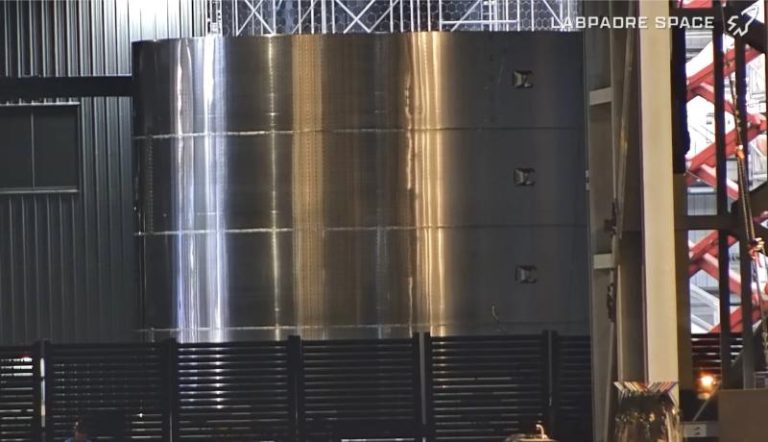
Commercial space startup Max Space has officially introduced its flagship orbital project named ‘Thunderbird’ following a series of rigorous safety evaluations. The company recently pushed a scale model of the habitat to its absolute physical limit during a deliberate burst test. This destructive trial was designed to verify that the structure could withstand internal pressures far exceeding what is required for human spaceflight. The successful detonation of the prototype provided the critical data needed to move forward with full-scale production.
The company is led by co-founders Aaron Kemmer and Maxim de Jong who are aiming to solve the bottleneck of habitable volume in orbit. Aaron Kemmer previously co-founded Made In Space and brings extensive experience in orbital manufacturing. Maxim de Jong has spent decades as an architect of pressure retaining structures and worked on earlier expandable concepts like the Genesis missions. Their combined expertise is focused on creating living quarters that are significantly larger and cheaper than traditional metal modules.
At the heart of the ‘Thunderbird’ design is a structural innovation known as isotensoid architecture. This engineering approach ensures that the load-bearing fibers in the material are perfectly aligned to distribute stress equally across the surface. This is a major departure from the basket weave patterns used by predecessors such as Bigelow Aerospace which often suffered from unpredictable load distribution. By using this aligned fiber technique the team can predict exactly how the material will behave under the immense pressure of the vacuum of space.
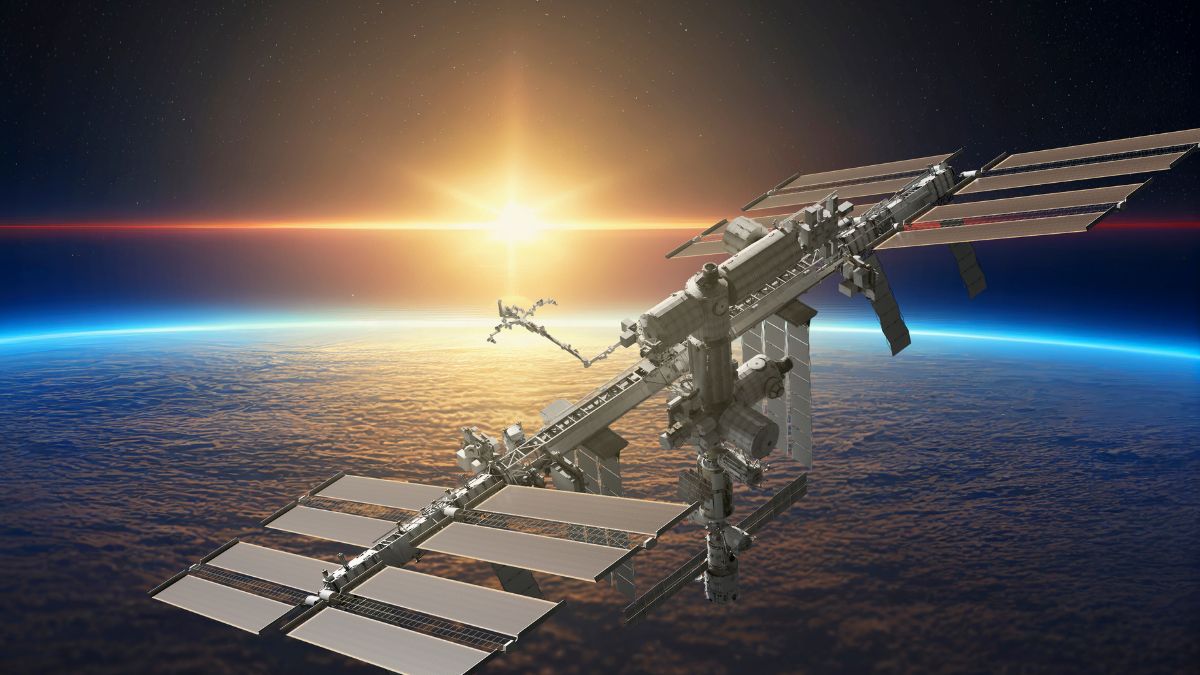
The specifications for the upcoming station are ambitious and designed to maximize the utility of existing launch vehicles. The ‘Thunderbird’ is engineered to fit inside the fairing of a standard SpaceX Falcon 9 rocket while compacted. Once it reaches orbit it will expand to provide 350 cubic meters of pressurized volume. This offers roughly three times the internal space of a standard rigid module found on the International Space Station.
Cost reduction is the primary driver behind the shift toward high-strength fabric structures. Traditional aluminum habitats are heavy and expensive to launch because their volume is fixed from the moment they leave the factory. Max Space estimates they can offer habitable volume for a fraction of the current market price by utilizing the efficiency of expandable designs. A flight demonstration mission is currently targeted for launch within the next few years to validate the system in an operational environment.
As the International Space Station approaches its planned retirement the industry is rushing to develop commercial replacements that can sustain a human presence in low Earth orbit. The successful testing of the ‘Thunderbird’ prototype suggests that the next generation of space stations may look more like high-tech balloons than metallic cylinders. The ability to launch stadium-sized structures on a single rocket could fundamentally change the economics of manufacturing and tourism in space.
We are interested to know if you would feel safe living in an expandable habitat, so please share your thoughts in the comments.