Massive Moon Rocket Reaches Launch Pad Ahead of Historic Crewed Mission


The long wait for humanity’s return to deep space is nearly over as the colossal Space Launch System rocket has officially arrived at its departure point. This massive vehicle completed its slow and steady journey to Launch Pad 39B at the Kennedy Space Center in Florida over the weekend. Engineers and technicians spent nearly twelve hours overseeing the delicate transport operation from the Vehicle Assembly Building. It marks a critical milestone for the Artemis II mission and signals that spaceflight with astronauts is imminent. The arrival at the pad initiates the final phase of preparations before the countdown begins.
Moving such a gigantic piece of hardware requires incredible precision and patience from the ground teams. A specialized crawler-transporter carried the rocket and its mobile launcher across the four-mile stretch of gravel track leading to the oceanside pad. This massive vehicle moved at a top speed of less than one mile per hour while carrying a load exceeding five thousand tons. Teams even paused the transport briefly to position the crew access arm correctly. This specific mechanism is vital because it will allow the four astronauts to board the Orion spacecraft on launch day.
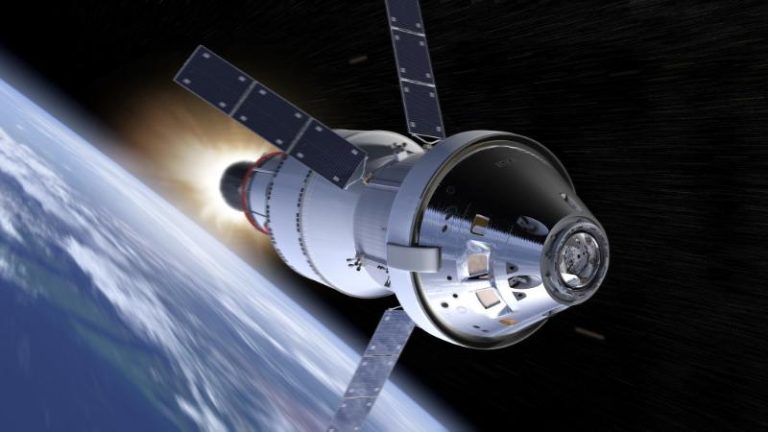
The upcoming mission represents the first time people will travel to the vicinity of the Moon since the Apollo program ended in the 1970s. Artemis II is designed to send a crew of four on a ten-day journey around the lunar neighbor and back to Earth. The diverse crew includes NASA astronauts Reid Wiseman, Victor Glover, and Christina Koch alongside Canadian Space Agency astronaut Jeremy Hansen. Their flight will test the life support systems of the Orion capsule in deep space for the first time. Success on this flight is necessary before the agency can attempt a lunar landing in subsequent missions.
Ground teams are now turning their attention to a crucial series of tests scheduled to take place directly on the launch pad. The most significant upcoming event is the general rehearsal or wet dress rehearsal targeted for early February. This complex exercise involves loading the rocket with supercold propellant and practicing the countdown timeline down to the final seconds. Engineers use this opportunity to verify that all systems function together seamlessly as they would during an actual liftoff. Safe drainage of the fuel tanks is also part of this essential safety drill.
Leadership at the space agency has emphasized that this test flight is a foundational step toward exploring Mars in the future. Agency chief Jared Isaacman has frequently highlighted the importance of establishing a sustainable presence on the Moon as a precursor to Red Planet expeditions. The current schedule suggests that a launch window could open as early as February 6 depending on the outcome of the pad tests. Every successful step brings the world closer to witnessing humans explore the solar system once again.
We want to know if you think this timeline for a lunar return is realistic or if you expect more delays. Share your thoughts in the comments.