
Lenovo Announces Strong Third Quarter Results for Fiscal Year 2025/2026

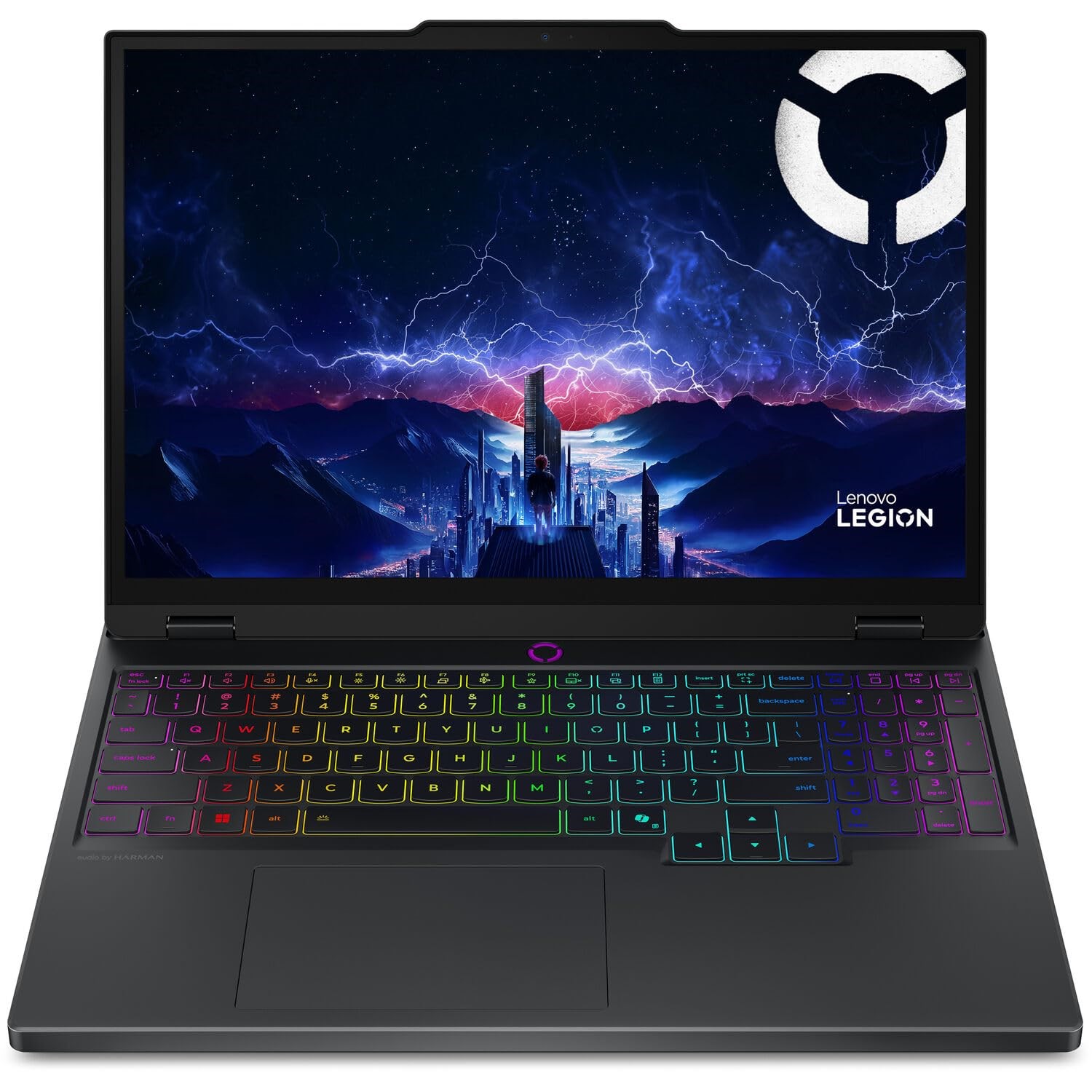
Lenovo has delivered an impressive performance in its third quarter of fiscal year 2025/2026, posting record revenues and showing clear momentum in profitability driven by artificial intelligence. The company’s overall group revenue hit an all-time high for a fiscal quarter at 22.2 billion dollars, marking an 18 percent increase compared to the same period last year. Every major business segment achieved double-digit revenue growth year-over-year, highlighting the strength across its diversified portfolio. Artificial intelligence-related revenue surged 72 percent year-over-year and now makes up nearly one-third of total group revenue at 32 percent.
This growth stems from robust demand in AI devices, infrastructure, services, and solutions. The Intelligent Devices Group, which includes personal computers and smartphones, saw revenue climb 14 percent to 15.8 billion dollars while boosting operating profit by 15 percent. Lenovo expanded its leadership in the global PC market, reaching a 25.3 percent share, the only vendor to surpass one-quarter of the market in three decades. Smartphone volumes and activations also reached record levels in key regions.
The Infrastructure Solutions Group posted its highest quarterly revenue ever, growing 31 percent year-over-year to 5.2 billion dollars, fueled by strong AI server performance and a solid pipeline worth 15.5 billion dollars. Meanwhile, the Services and Solutions Group recorded its best-ever revenue with an 18 percent increase to 2.7 billion dollars and a 30 percent rise in operating profit. Managed services and project solutions now represent nearly 60 percent of this segment’s mix, supported by growth in offerings like TruScale.
Chairman and CEO Yuanqing Yang emphasized the quarter’s outstanding results across all fronts, with AI emerging as a primary growth driver. He highlighted the strategic restructuring of the Infrastructure Solutions Group to position it for sustainable and profitable expansion. This move involved one-time restructuring costs of 285 million dollars in the quarter but is projected to generate annual savings exceeding 200 million dollars over the next three years through optimized costs, a streamlined product lineup, and a stronger sales organization.
Despite some headwinds like rising component costs and supply constraints, Lenovo navigated these effectively through operational excellence and innovation. Adjusted net income, excluding certain non-operating items and one-time charges, rose 36 percent year-over-year to 589 million dollars, pushing the adjusted net margin to 2.7 percent. Reported net income came in at 546 million dollars, reflecting the impact of those restructuring expenses.
Looking forward, the company sees significant opportunities in the ongoing democratization of AI, integrating it more deeply into daily life and enterprise operations. Lenovo plans to keep pushing its hybrid AI strategy to capture growth in both personal and enterprise segments while maintaining focus on profitability improvements and long-term shareholder value.
What are your thoughts on Lenovo’s AI-driven growth and restructuring efforts in the comments?