Jolla Unveils Privacy-Focused Linux Smartphone for European Market

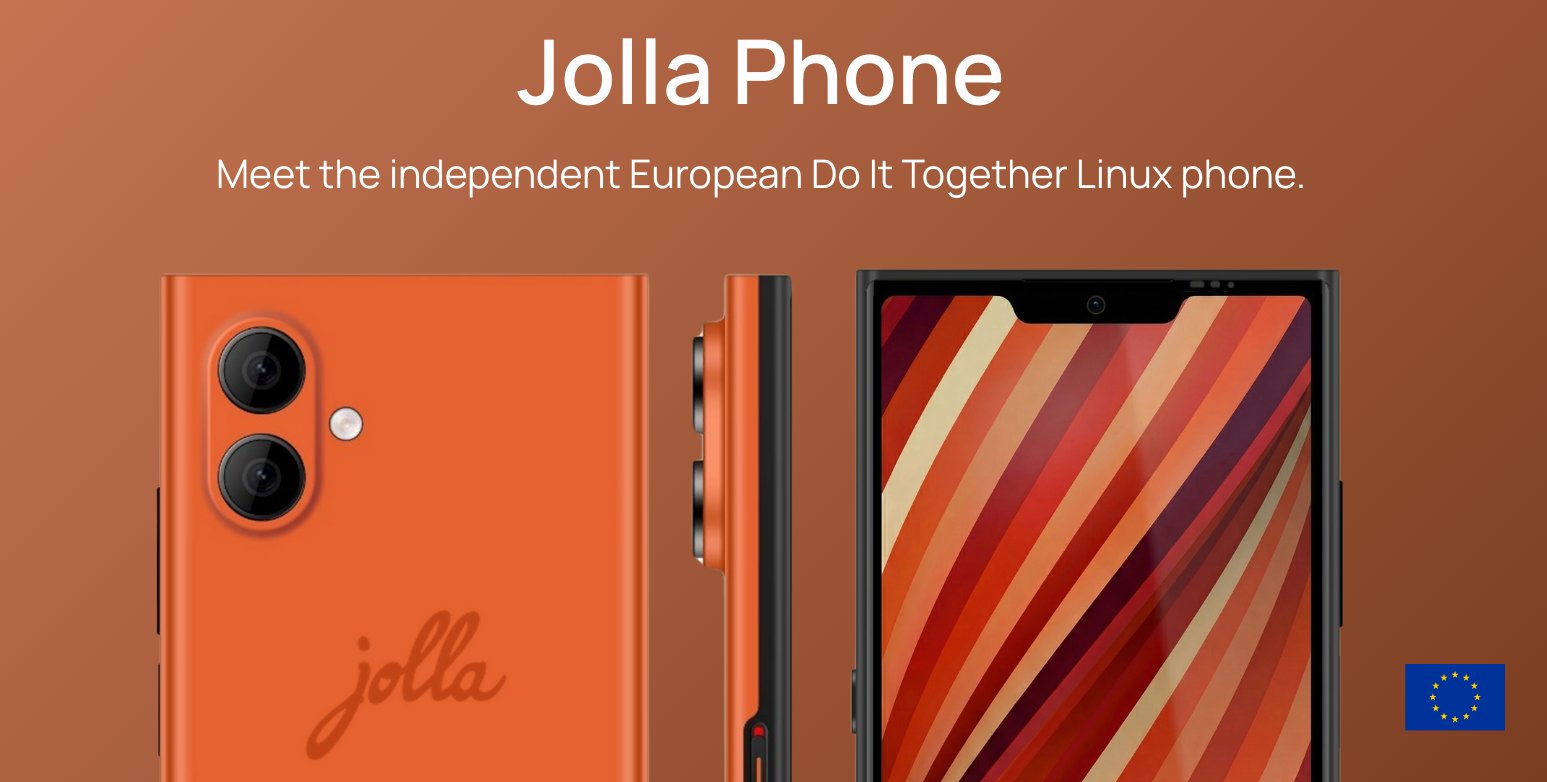
Jolla has introduced a new Linux-based smartphone designed to eliminate data tracking and Google services, targeting users seeking enhanced privacy in an era of pervasive surveillance. The device runs a custom Linux distribution, enabling full user control over software and data without reliance on proprietary ecosystems. This launch addresses growing concerns among Europeans over data sovereignty, particularly amid stricter regulations like the Digital Markets Act.
The phone features a de-Googled operating system, preventing telemetry and ad-based profiling common in Android devices. It supports open-source apps via repositories like F-Droid, with hardware including a 6.5-inch OLED display, Snapdragon 8 Gen 3 processor, 12 GB RAM, and 256 GB storage expandable via microSD. Battery life reaches 48 hours under mixed use, thanks to a 5,000 mAh cell with 65W fast charging.
Jolla emphasizes hardware-software integration for security, incorporating a hardware kill switch for the camera and microphone, plus encrypted storage by default. The device boots in under 10 seconds and supports 5G connectivity across EU bands, with dual SIM capability for eSIM and physical slots. Priced at 599 euros, it includes a two-year warranty and free software updates until 2030.
Development stems from Jolla’s decade-long expertise in Sailfish OS, a Linux variant forked from MeeGo. The company collaborated with European hardware partners to ensure supply chain transparency, sourcing components from non-Chinese suppliers where possible. This model contrasts with mainstream flagships by avoiding app stores that enforce data-sharing policies.
For US audiences, the phone highlights transatlantic divergences in privacy expectations, where tools like GrapheneOS on Pixel devices fill similar niches. Jolla plans US availability through select resellers starting in Q2 2026, pending FCC certification. Early benchmarks show it outperforming stock Android in boot security, with vulnerability scans revealing zero known exploits at launch.
The initiative aligns with EU pushes for open ecosystems, including the recent Open RAN mandates for telecoms. Jolla’s CEO Antti Saarnio noted the device empowers “users to own their digital lives without compromise.” Production begins in Finland, with initial shipments to 50,000 pre-order customers across the continent.
This release coincides with heightened scrutiny of Big Tech data practices, as seen in ongoing antitrust cases. The phone’s modular design allows battery and display replacements without specialized tools, extending lifespan beyond three years. Analysts project Linux mobile OS market share to hit 5 percent in Europe by 2028, driven by privacy-focused segments.
Broader implications include potential boosts for open-source hardware initiatives, like Pine64’s PinePhone lineage. US developers may adapt Sailfish for custom ROMs, fostering cross-border innovation. With 4K video recording and IP68 rating, the device suits professionals in journalism and activism requiring discreet operations.
Jolla’s strategy underscores a shift toward sovereign tech, reducing dependency on US or Chinese stacks. The phone integrates with self-hosted cloud services like Nextcloud for seamless file syncing. As adoption grows, it could pressure competitors to enhance privacy defaults in global variants.