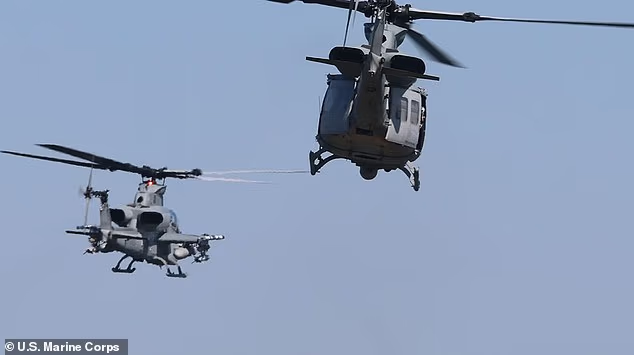
Japan Tests Shipborne High-Energy Laser Weapon Against Drones

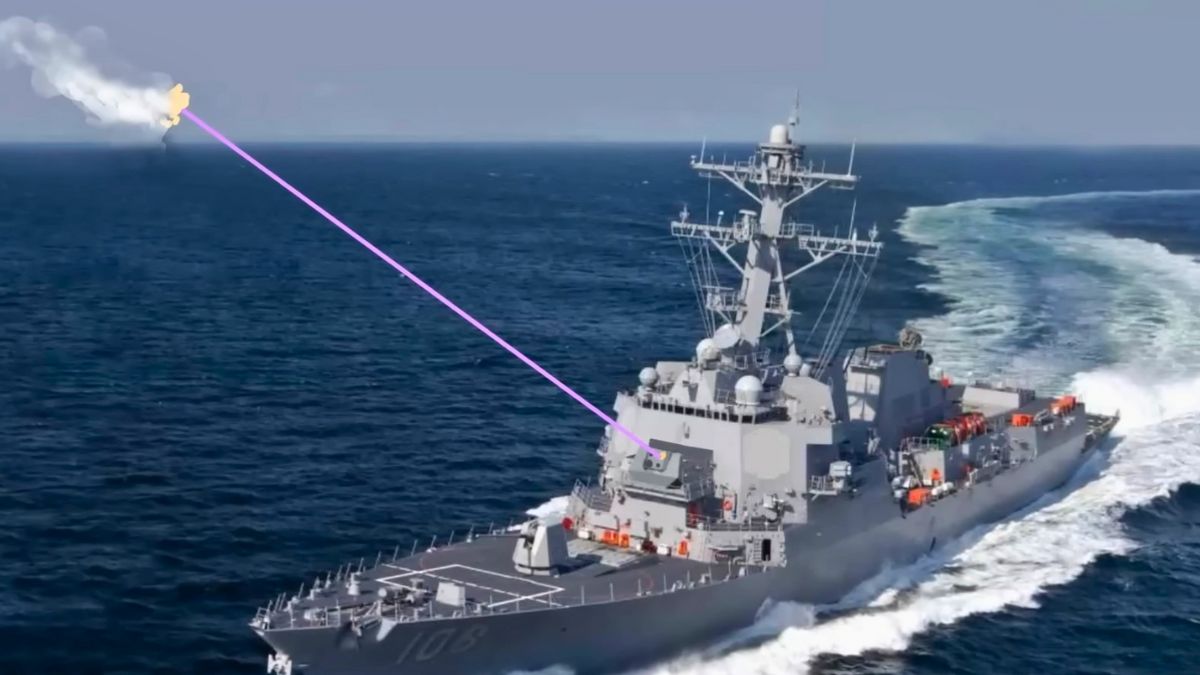
Japan has confirmed development and testing of a vessel-mounted high-energy laser system designed to intercept and destroy unmanned aerial vehicles. The weapon delivers directed energy beams capable of neutralizing drone threats at speed of light engagement times. Trials focus on integration aboard Japan Maritime Self-Defense Force ships for enhanced fleet protection.
This laser platform addresses proliferating low-cost drone swarms employed in regional conflicts. Japanese engineers achieved power outputs sufficient to burn through drone airframes and electronics within seconds of target lock. The system incorporates advanced tracking sensors for precise beam control in maritime environments.
Development accelerates amid heightened tensions in the East China Sea and around Taiwan. China’s expanding naval presence and drone capabilities prompted Japan’s Ministry of Defense to prioritize counter-unmanned technologies. The laser offers unlimited shots limited only by onboard power generation.
Sea trials will validate performance against simulated swarm attacks. The weapon mounts on existing deck structures without major vessel modifications. Cooling systems manage heat dissipation during sustained firing sequences.
Japan joins a select group of nations fielding operational directed energy weapons at sea. The United States Navy previously deployed similar systems with proven intercepts. Cost per engagement drops dramatically compared to missile-based defenses.
This advancement bolsters layered ship defense architectures. Integration with radar and electro-optical networks enables automated threat response. Operators maintain override controls for rules of engagement compliance.
The laser counters asymmetric threats from non-state actors and peer adversaries alike. Drone proliferation lowers barriers to aerial attacks on naval assets. Japan’s investment reflects strategic shifts toward technology-enabled deterrence.
Prototype testing occurred at shore facilities before shipboard installation. Power scaling reached levels effective against small to medium drones. Future upgrades target higher altitudes and faster targets.
Industry partners support rapid prototyping under defense ministry guidance. The program emphasizes domestic supply chains for critical components. Export variants may emerge for allied navies facing similar threats.
This capability enhances freedom of navigation operations in contested waters. Combined with missile and gun systems, it forms comprehensive close-in protection. Ongoing refinements address weather impacts on beam propagation.
Japan’s defense posture evolves with emphasis on innovative countermeasures. The laser weapon represents a milestone in adopting directed energy for practical military applications. Deployment timelines align with fleet modernization schedules.