Israel Markets Gaza-Tested Drones and Lasers to U.S. and European Buyers

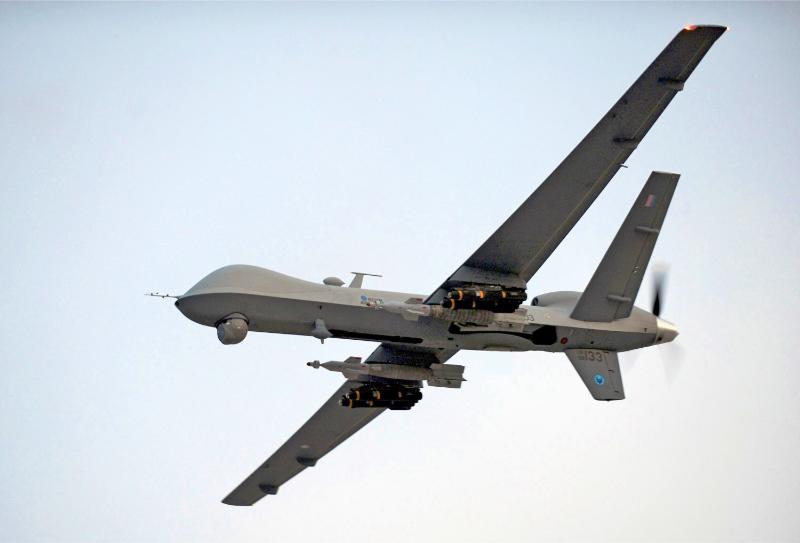
Israel’s arms industry leverages battlefield validations from Gaza and Lebanon to secure multimillion-dollar contracts with Western nations seeking defenses against Russian incursions. European buyers, representing 54 percent of Israel’s $14.8 billion in 2024 arms exports, prioritize battle-proven systems despite humanitarian controversies surrounding the conflicts. U.S. officials and executives join delegations at Israeli Defense Ministry conferences, eyeing integrations for joint operations. This surge follows NATO’s push for 3.5 percent GDP defense spending plus 1.5 percent in nonlethal areas, amid doubts over U.S. commitments.
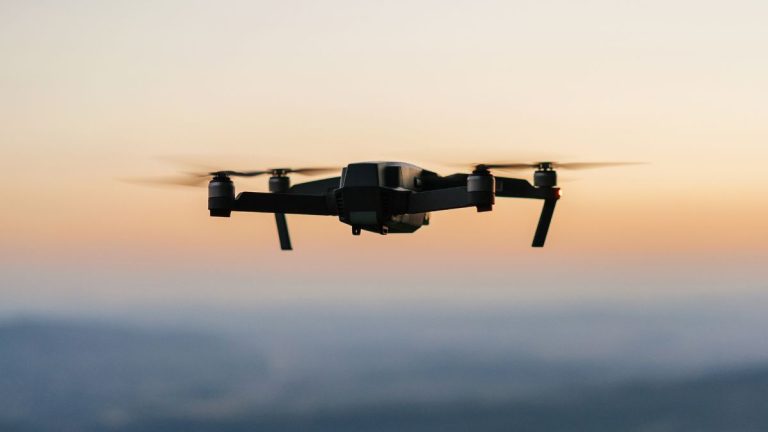
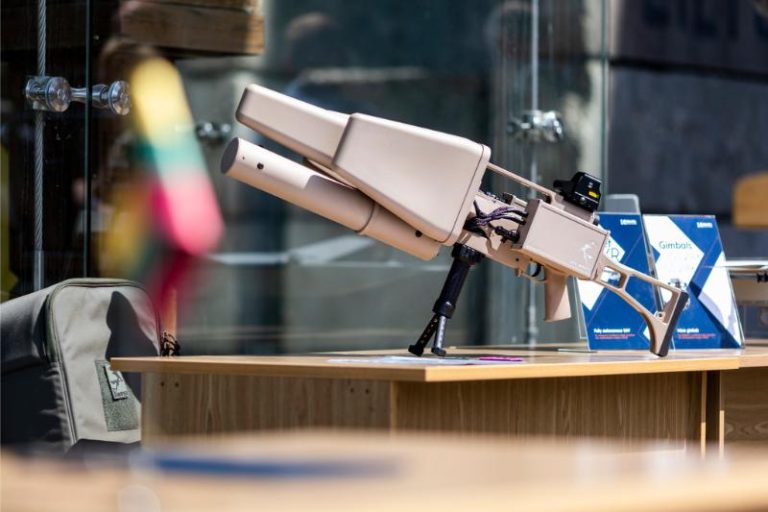
UVision Air showcased loitering munitions at a recent Tel Aviv conference, displaying footage of drones striking targets along Gaza’s coastline. CEO Ran Gozali described the sequence: one projectile hits a left-side objective, followed by a second on an independent site, demonstrating precision in urban warfare. The systems, deployable from ground launchers, enable operators to abort or redirect mid-flight, reducing collateral risks in dense environments. Rafael Advanced Defense Systems highlighted its Iron Beam laser interceptor, activated dozens of times against Hezbollah drones from Lebanon, with each shot costing under $5 compared to $50,000 for traditional missiles.
Germany finalized a $4 billion acquisition of the Arrow 3 exo-atmospheric interceptor, operational since last week as the first non-U.S., non-Israeli deployment. The system, co-developed with the U.S. Missile Defense Agency, neutralizes ballistic threats at altitudes exceeding 100 kilometers using kinetic kill vehicles. Romania inked a $2 billion pact for Rafael’s air-defense suite in July, integrating short- and medium-range interceptors with radar networks covering 360 degrees. An unnamed contractor revealed a $2.3 billion strategic deal in November, focusing on integrated command platforms for multinational forces.
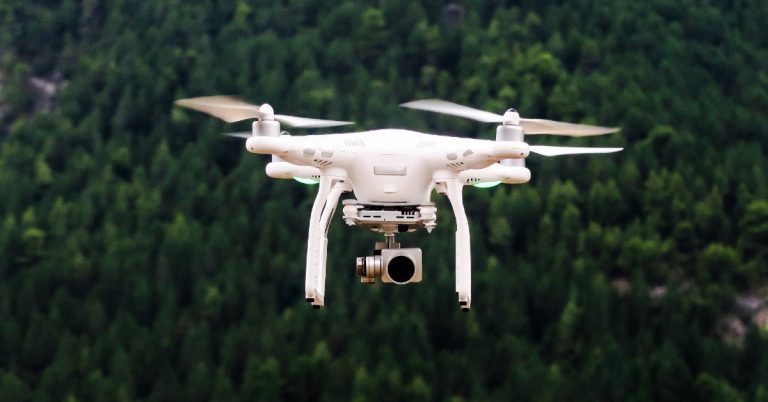
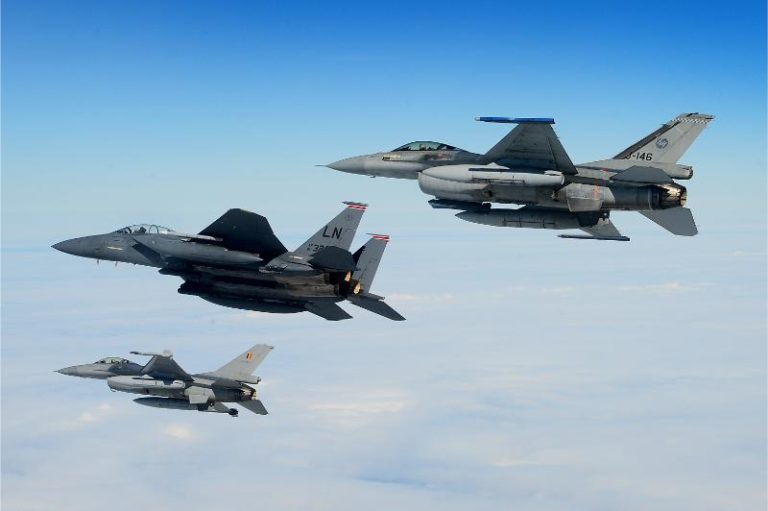
Conference attendees from the U.K., Norway, Canada, and Singapore evaluated hybrid drone swarms combining reconnaissance and kinetic payloads, tested in over 500 Gaza missions. Israel’s export growth, up from $12.5 billion pre-war, stems from modular designs compatible with NATO standards, including API integrations for U.S. F-35 jets. European hesitation persists—Germany paused then resumed shipments post-cease-fire, while the U.K. barred an Israeli team from a London arms fair—yet Russian drone overflights into NATO airspace prompt accelerated procurement.
Broader dynamics reflect rearmament across 32 NATO members, with $1.3 trillion allocated for 2025 capabilities. Israel’s 800-plus defense firms, employing 50,000 engineers, emphasize rapid iteration: Iron Beam’s power output scaled from 100 kilowatts to 150 in six months via gallium nitride amplifiers. U.S. firms like Lockheed Martin collaborate on 20 joint programs, sharing sensor fusion tech that processes 10 terabytes daily from satellite feeds. Sebastian Von Ribbentrop, a German delegate, noted the shift: threats now encroach directly, fostering urgency over past embargoes.
Alon Lifshitz, a conference organizer, underscored validation benefits: wartime exposure reveals operational gaps, refining systems for 95 percent hit rates in live scenarios. India’s delegation explored UVision adaptations for Himalayan borders, while Singapore eyed cyber-hardened variants against South China Sea threats. These transactions bolster Israel’s economy, contributing 6 percent to GDP, while equipping allies with tools for asymmetric conflicts. As Europe’s $580 billion decade-long buildup unfolds, Israel’s export pipeline projects $16 billion for 2025, driven by demand for affordable, scalable defenses.