Is Grammarly Safe and Legit?

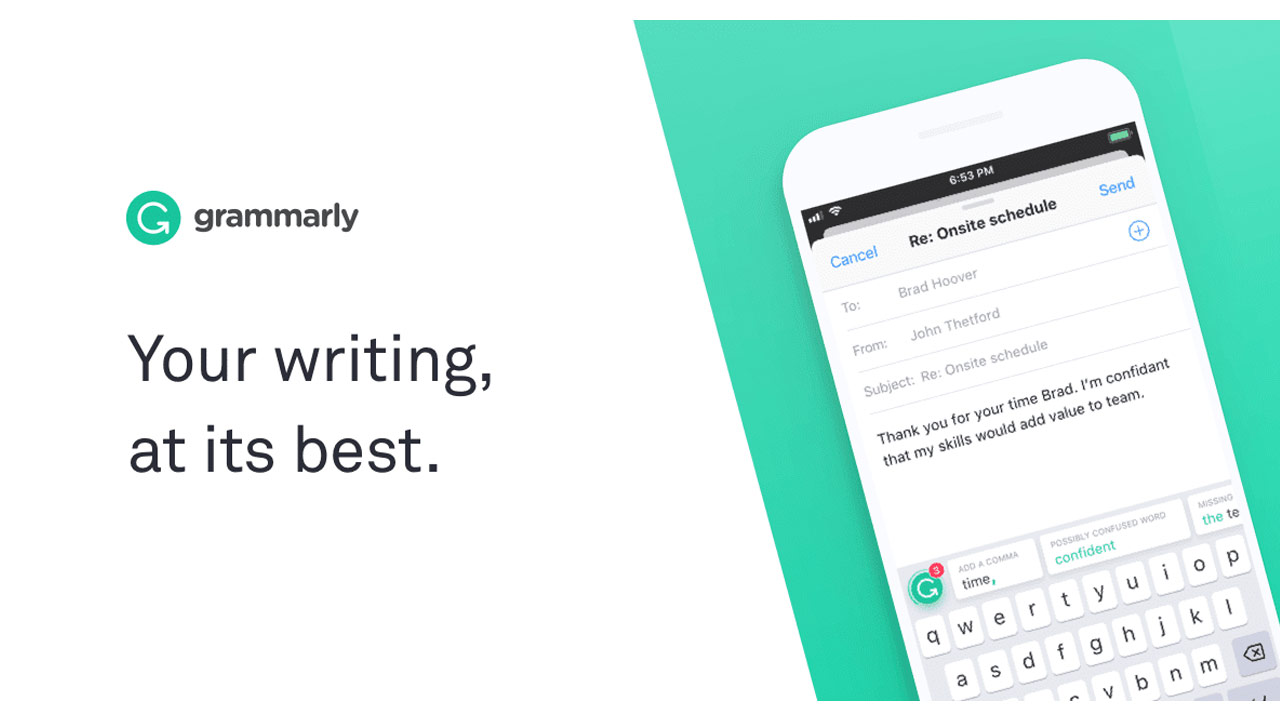
Grammarly can be defined as the world’s foremost grammar-check tool. It’s used by over 30 million users around the world, and it’s the best-reviewed tool of its kind. Grammarly is sure to ensure bold, clear, and mistake-free writing, using its AI-powered writing assistant. However, many users pondered on the tool’s safety, noting that any tool that analyzes their users’ writing can be potentially dangerous within the specific frame of collecting user data. This question is not only important for Grammarly but for other grammar-checking tools on the internet, as well. So, is Grammarly safe and legit?
Grammarly is not fully safe. The tool explained this very well in their terms and policies of use; Grammarly cannot control the information sent by your computer to their servers. Therefore, you can unintentionally share vulnerable and sensitive information with Grammarly. This can, however, be controlled.
It’d be unwise, not to mention unfortunate, to share sensitive, personal information with a tool. Even though the information is encrypted, it wouldn’t be the first time that someone illegally gained access to a widely-used site’s servers, thus being able to browse through every user’s info. This is the exact issue we’ll be addressing in this article, why and how is Grammarly safe and unsafe, how to maximize that safety, is Grammarly safe and legit, does it spy on its users, does it steal your data, can it read your passwords, can it copy your work, is it confidential, and most importantly: can Grammarly be trusted? Let’s get started.
Is Grammarly Safe and Legit?
I’ve already touched upon this question in the beginning: Grammarly is mostly safe, but not completely. And I think it’d be unfair towards Grammarly to accuse them of actively collecting personal data – it’d be more accurate to say that Grammarly’s guilty of passively collecting it. I’ll explain this in detail.
This is an official statement in Grammarly’s user policy, found on their website: “Grammarly is committed to protecting the security of your information and takes reasonable precautions to protect it. However, Internet data transmissions, whether wired or wireless, cannot be guaranteed to be 100% secure, and as a result, we cannot ensure the security of information you transmit to us, including Personal Information and User Content; accordingly, you acknowledge that you do so at your own risk.”
This means that every single text input in your computer is sent to Grammarly, be it something that you actually want to be corrected or not. The reason behind this is because Grammarly, when installed, is completely implemented and integrated into your computer: it checks and corrects any and all writing. Therefore – it works for you even when you don’t want it to – meaning that it analyzes all content you write.
Grammarly can not control this, as it’s the way the app works (and for a lot of users that’s the primary reason why they love it so much).
When we’re discussing system security – Grammarly’s very safe. Most of today’s apps that are as widespread as Grammarly are very safe, and that’s actually one of the most important points of their work that they have to guarantee in order to reach the level of popularity that they do. However, privacy is something else.
Everything you type, including the things you delete, are sent to their servers (and it’s not anonymous). All data on the internet is vulnerable to hacking attempts and inside leaks. Obviously, we’re all hoping this won’t happen, and if it doesn’t then it’s completely unimportant whether or not Grammarly’s safe – but we don’t have the luxury of that guarantee.
The best way to ensure your own safety when using this extension on the web is to disable it when working with sensitive data. That means that it’d be best to temporarily disable it when doing bank-related work, writing sensitive information, etc.
Grammarly states that “Your writing is securely backed up and encrypted and you’re unlikely to encounter any security or plagiarism issues. The business version of Grammarly includes enterprise-grade encryption. It’s GDPR and CCPA compliant.”, and this is all true. The tennis match between you and Grammarly (where your information and the content of your writing is the ball) if played behind closed doors, however – that doesn’t mean that someone (hackers) can’t open the door, or that Grammarly can’t play the ball out the field (leak the information).
Does Grammarly Spy on its Users?
It’d be wrong to define what Grammarly does as spying. Does Grammarly collect data? Sure. Does Grammarly do that with the intent to use that same data for any purpose other than correcting your writing? No.
The issue isn’t letting Grammarly collect your data. It’s obvious to everyone that they need to do that in order for them to analyze it and correct their writing. The issue lies in how long they intend to keep it.
Nobody would have a problem with Grammarly if they uploaded your data to their servers, corrected your writing, sent your writing back to you, and deleted the data. However, this isn’t what the tool does.
Grammarly has been very open about how long they keep your data, and they’ve admitted that the period is undefined. Grammarly will keep your data for as long as they need to for their own purposes (mostly legal), and the only way you can delete that data is by deleting your account. Here’s an official statement made by Grammarly.
“You can remove your Personal Data from Grammarly at any time by deleting your account as described above. However, we may keep some of your Personal Data for as long as reasonably necessary for our legitimate business interests, including fraud detection and prevention, and to comply with our legal obligations including tax, legal reporting, and auditing obligations.“
Does Grammarly Steal Your Data?
No, Grammarly does not steal your data. When you’re subscribing to Grammarly, you’ll have to accept the official statement where all of this is carefully and openly addressed. On top of that, you can simply disable the extension or delete it completely, if you decide to stop using it.
Can Grammarly Steal Your Passwords?
This is actually a differently phrased version of the question: is Grammarly a keylogger? No, Grammarly isn’t a keylogger.
Keylogging programs record every keystroke you make, regardless of the program or device. Cyberthieves are known to hack these programs and track your typing through it, and by doing that they can gain access to your personal information (including your passwords).
Grammarly does not record every single keystroke you make on your device – it accesses only the texts you write while using their product. Additionally, Grammarly claims not to process anything you type in the fields marked as ‘sensitive’ (these fields are marked in the internal code of the site itself, not something you can see) – this means that even if Grammarly’s turned on, they can’t see passwords fields, credit card information fields, etc.
You can read their official statement on this here.
Can Grammarly Copy Your Work?
Once again, this is more of an internal security issue with Grammarly, rather than an issue the user can have any effect on.
Grammarly itself cannot copy your work, and since it won’t index it with search engines, it won’t be mistaken for plagiarism. However, if someone happens to gain access to their servers, then that person can copy your work.
For this particular reason, as all this depends on Grammarly’s internal security, rather than you sharing information with them, Grammarly has been working hard on improving their security.
Grammarly does not sell or rent your personal data. However, there are instances in which Grammarly will share the information (many of which are justifiably considered to be breaches of trust). Grammarly is very open about this, so I think it’d be more appropriate to quote them, instead of paraphrasing:
“We only disclose Personal Data to third parties when:
- We use service providers who assist us in meeting business operations needs, including hosting, delivering, and improving our Services. We also use service providers for specific services and functions, including email communication, customer support services, and analytics. These service providers may only access, process, or store Personal Data pursuant to our instructions and to perform their duties to us.
- We have your explicit consent to share your Personal Data.
- We believe it is necessary to investigate potential violations of the Terms of Service, to enforce those Terms of Service, or where we believe it is necessary to investigate, prevent, or take action regarding illegal activities, suspected fraud, or potential threats against persons, property, or the systems on which we operate our Site, Software, and/or Services.
- We determine that the access, preservation, or disclosure of your Personal Data is required by law to protect the rights, property, or personal safety of Grammarly and users of our Site, Software, and/or Services, or to respond to lawful requests by public authorities, including national security or law enforcement requests.
- We need to do so in connection with a merger, acquisition, bankruptcy, reorganization, sale of some or all of our assets or stock, public offering of securities, or steps in consideration of such activities (e.g., due diligence). In these cases some or all of your Personal Data may be shared with or transferred to another entity, subject to this Privacy Policy.“
If you’re absolutely certain that Grammarly has hostile intent, then this can be understood as Grammarly keeping your data safe for now, just so they could increase their net worth before a merger/bankruptcy/acquisition – in that case, they could do all the data mining they want to.
So, Grammarly probably won’t copy your information without reason, but they can do so if they want to.
Is Grammarly Confidential?
No, Grammarly isn’t confidential.
Confidentiality conditions that the content will only be seen and available to selected personnel. I highly doubt that the personnel in question is an analyst at Grammarly’s offices, who will use your data for ensuring quality.
Grammarly’s data is stored in servers in the USA. “Information submitted to Grammarly will be transferred to, processed, and stored in the United States. When you use the Software on your computing device, the User Content you save will be stored locally on that device and synced with our servers. If you post or transfer any Information to or through our Site, Software, and/or Services, you are agreeing to such Information, including Personal Data and User Content, being hosted and accessed in the United States.”
Why is this important, you ask? Well, only because the biggest information breach of all time was conducted by US intelligence services, and thanks to a certain Mr. Snowden – we now know that CIA, NSA, FBI, and the Secret Service can gain access to anything they want – that includes Grammarly. However, it should be noted that your data is no safer if it’s just stored on your computer – you’re vulnerable to uninvited guests accessing your data as long as you have an open connection to the internet.
If you’re wondering how exactly does Grammarly protect your information, and what they do in case of a breach, here’s their explanation:
“Once we receive your data, we protect it on our servers using a combination of technical, physical, and logical security safeguards. The security of the data stored locally in any of our Software installed on your computing device requires that you make use of the security features of your device. We recommend that you take the appropriate steps to secure all computing devices that you use in connection with our Site, Software, and Services.
If Grammarly learns of a security system breach, we may attempt to notify you and provide information on protective steps, if available, through the email address that you have provided to us or by posting a notice on the Site. Depending on where you live, you may have a legal right to receive such notices in writing.“
It should be taken into account that there isn’t a single website on the internet that’s 100% secure. Even government sites, with military-grade security and encryption, are vulnerable to breaches, and there are people, particularly IT techs, constantly working on defending their clients from hacking attempts.
It’d be unfair to say that Grammarly’s unsafe when in reality it’s just as unsafe as any private site.
Can Grammarly Be Trusted?
Despite everything presented in this article, we need to give credit where credit is due, and there are two very important facts that deserve addressing.
Firstly, Grammarly has been very open about this from the very start. They have devoted thousands of words in rich detail to explain everything regarding privacy. Grammarly has at no point tried to confuse, scam, or grift their users into trusting them, while they secretly shared their personal information. They have always been open about how they collect data, which data they collect and which data they ignore, where is the data stored, and who has access to it.
You also have the option of deleting your account and quitting Grammarly whenever you want.
I think that this is the first reason why Grammarly can be trusted. Distrust means that you’re suspecting that someone is lying to you. Grammarly has never done this, in fact, they’ve been brutally honest about the liabilities their tool includes. This doesn’t mean that their tool is any more or less dangerous, raising any less ethical questions, or unsecured. However, at least Grammarly admits it.
The second reason Grammarly should be trusted is because of the fact that they still haven’t caused issues for their users. In their terms and conditions, Grammarly has thoroughly explained on which occasions are you (as a user) giving them permission to use and share your data. And on most occasions, you won’t know that they’ve done this, and your information will only be used for internal purposes; such as upgrading their service.
Grammarly is still widely trusted by over 30 million users and it’d be unlikely that they’d keep using it if it shared personal information.
Is Grammarly a liability, without a doubt, but they have openly accepted and defined that, being very upfront with their users. So, while it definitely raises a few question marks followed by exclamation points above its users’ heads, at least it openly addresses these questions and admits to its faults.
Therefore, in my opinion – Grammarly can be trusted.