FCC Probes Amazon After Drone Severs Texas Internet Cable

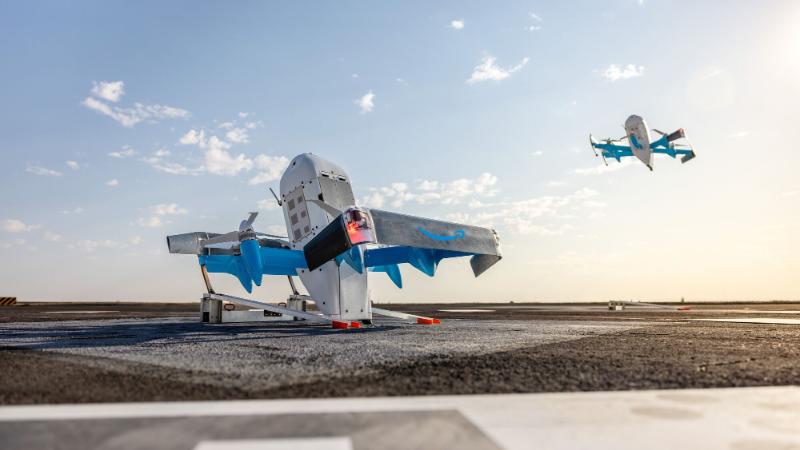
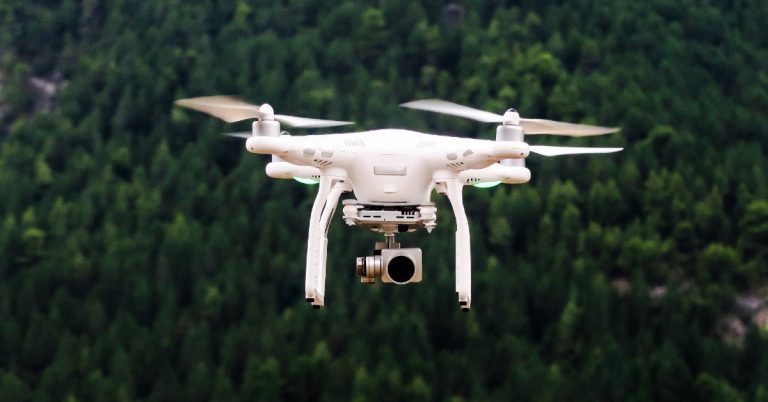
Amazon’s Prime Air delivery drone has severed an internet cable in Texas, prompting a Federal Aviation Administration investigation into the incident. The malfunction occurred during a routine flight in a rural area near Schertz, where the drone’s propeller contacted a fiber optic line, disrupting service for over 500 households for six hours. Federal regulators are examining compliance with airspace rules and drone operational protocols to prevent similar disruptions.
The event unfolded on a clear afternoon when the drone, operating under visual line-of-sight, descended unexpectedly due to a reported navigation error. Amazon’s internal review attributes the issue to a software glitch in the obstacle avoidance system, which failed to detect the low-hanging cable spanning a utility pole. Repair crews from Spectrum, the affected provider, restored connectivity by splicing the damaged line, incurring $12,000 in costs billed to Amazon.
Prime Air, launched in 2016, has completed over 1,000 deliveries nationwide using electric drones capable of carrying packages up to five pounds within 15 miles of fulfillment centers. The program operates under FAA Part 135 certification, requiring beyond-visual-line-of-sight waivers for expanded routes. This marks the second reported collision involving Prime Air assets this year, following a minor bird strike in Arizona.
Amazon disclosed the incident in a quarterly safety report submitted to the FAA, detailing telemetry data showing a sudden altitude drop from 400 feet to 50 feet. The drone, a MK30-10 model with redundant propellers, sustained propeller damage but landed safely via emergency protocols. No injuries occurred, and the package—a 2-pound consumer electronics item—remained intact on the ground.
Regulators are scrutinizing Amazon’s risk mitigation measures, including geofencing around utility infrastructure and real-time monitoring via ground control stations. The FAA’s probe could lead to enhanced certification requirements, such as mandatory lidar upgrades for low-altitude operations. Amazon has grounded the affected fleet in Texas pending software patches, delaying 200 scheduled flights.
Broader implications extend to urban air mobility, where drone traffic is projected to reach 1 million daily flights by 2030. Incidents like this highlight vulnerabilities in shared airspace, particularly in suburban zones with dense overhead lines. The Consumer Technology Association advocates for standardized cable marking protocols to aid drone sensors.
Amazon’s response includes a $50,000 community fund for affected residents, covering temporary connectivity alternatives like mobile hotspots. Company executives emphasized in a blog post that safety remains paramount, with 99.9 percent of flights concluding without anomalies. Internal audits revealed the glitch stemmed from an unpatched firmware version, now addressed across 150 active drones.
For U.S. consumers, the episode underscores the trade-offs in drone delivery convenience versus infrastructure risks. Prime members in test markets like College Station report average delivery times of 30 minutes, but service pauses could erode trust. Analysts predict regulatory hurdles may slow Prime Air’s expansion to 10 new cities planned for 2026.
The FAA’s investigation timeline spans 90 days, involving flight data recorder analysis and witness interviews. Outcomes may influence guidelines for emerging technologies like autonomous package drop-offs. As drone integration accelerates, balancing innovation with public safety demands rigorous oversight.
This case exemplifies the growing pains of commercial drone operations, where minor errors cascade into significant disruptions. Stakeholders, including telecom firms and aviation authorities, call for collaborative mapping initiatives to delineate no-fly hazards. Amazon’s proactive grounding signals commitment to accountability, potentially averting broader scrutiny.