Drones Race to Halt Wildfires Before They Escalate

In a quiet field recently used for testing, the atmosphere was calm despite the crackling of a small fire set intentionally on stacked pallets. Hovering above this controlled blaze was a large black drone carrying a red balloon filled with water. This demonstration was not just a simple science experiment but a glimpse into the future of firefighting technology designed to tackle wildfires before they spiral out of control. As the drone maneuvered into position, it highlighted a critical shift in how emergency services plan to address the growing threat of forest fires.
The concept driving this innovation is speed and precision during the initial moments of a fire. Experts argue that the most effective way to prevent a catastrophic megafire is to suppress the flames within the first few minutes of ignition. Traditional methods often involve a delay between detection and the arrival of heavy machinery or manned aircraft. By the time crews arrive, a small spark can easily transform into an inferno that devastates thousands of acres. Drones equipped with fire suppression payloads offer a rapid response capability that could bridge this dangerous gap.
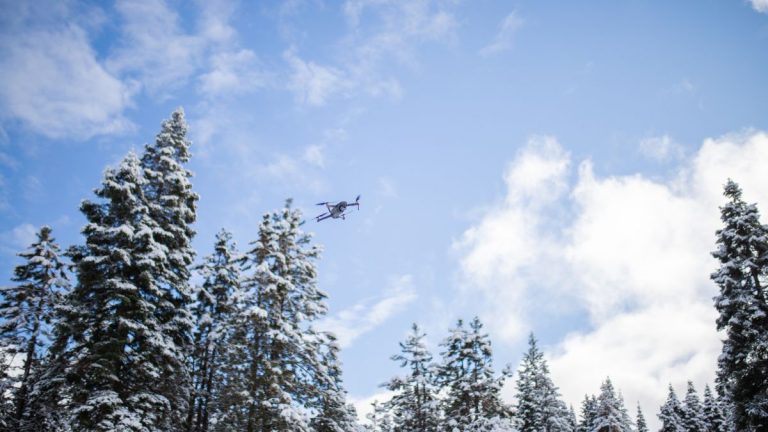
During the demonstration, the unmanned aerial vehicle successfully dropped its payload on the target, dousing the flames instantly. While a single red balloon of water might seem insignificant against a raging forest fire, the strategy relies on scalability and swarms. Imagine a fleet of these drones stationed in high-risk areas during dry seasons, ready to launch the moment smoke is detected. They could arrive at a remote ignition point in minutes and drop enough retardant or water to extinguish the threat or hold it at bay until ground crews can reach the site.
This approach also addresses the significant safety risks associated with traditional aerial firefighting. Pilots of helicopters and tanker planes often have to fly at dangerously low altitudes through thick smoke and turbulent air currents. Sending a drone into these hazardous conditions eliminates the risk to human life while ensuring that suppression efforts continue even when visibility is poor. Furthermore, drones can operate at night when manned aircraft are typically grounded, allowing for twenty-four-hour suppression operations that keep pressure on the fire.
The technology is rapidly evolving from simple water drops to more sophisticated systems. Some developers are exploring the use of “dragon eggs,” which are small spheres injected with chemical retardants, while others are focusing on heavier lift drones capable of carrying significant gallons of water. The goal remains consistent across all these platforms to snuff out fires while they are still manageable. As climate change creates drier and hotter conditions globally, these unmanned systems may soon become as common as fire trucks in the battle to protect communities and nature.
We are curious to know if you think drone swarms will become the standard for future wildfire prevention. Share your thoughts on this technology in the comments.