
CKM Syndrome: “Brotherhood and Unity” of Organs in Health and Disease Until Death Do Them Part

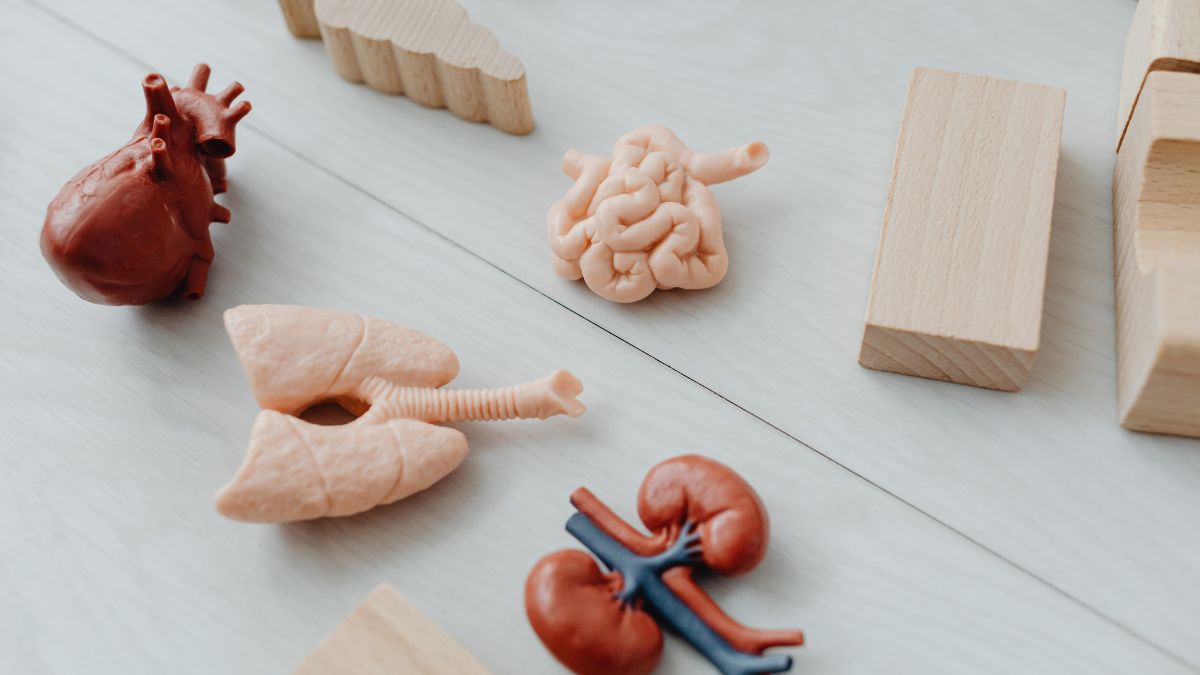
Modern medicine has developed a habit of slicing human health into isolated fragments. A patient often finds themselves sending their heart to a cardiologist and their blood sugar levels to an endocrinologist while a nephrologist worries about creatinine levels. This fragmented approach treats the body like a collection of spare parts rather than a cohesive system. The reality of human biology is that organs operate in a tightly woven network where the failure of one inevitably impacts the others.
The American Heart Association has introduced a new framework to address this disconnect known as CKM syndrome. This stands for Cardiovascular-Kidney-Metabolic syndrome and it represents a significant shift in how doctors approach chronic disease. It is not a newly discovered virus or a rare condition but rather a new way of thinking about existing health problems. The concept challenges the old method of sending patients on a circular tour of various specialists who rarely communicate with one another.
We must understand that the heart, kidneys, and metabolic system function in a state of biological “brotherhood and unity” inside the body. When metabolic issues like obesity or diabetes arise, they trigger inflammation that damages blood vessels and stresses the kidneys. The kidneys then struggle to filter blood effectively which raises blood pressure and forces the heart to work harder. This vicious cycle demonstrates that these organs live together in health and suffer together in disease.
The medical community now categorizes this syndrome into stages to better guide treatment and prevention. Stage 0 represents a person with no risk factors who should focus on maintaining a healthy lifestyle to prevent future issues. Stage 1 involves early warning signs such as excess body fat or unhealthy fat distribution that requires lifestyle changes. As a patient progresses to Stage 2 and Stage 3, metabolic risk factors and early kidney disease appear alongside subclinical heart issues. By Stage 4, the patient faces established cardiovascular disease potentially accompanied by kidney failure.
This holistic approach aims to catch patients before they reach the critical failures seen in the later stages. The goal is to stop treating the symptoms of a single organ and start managing the health of the entire system. Doctors like Igor Berecki note that while this idea seems obvious, the medical system has been slow to adopt such an integrated strategy. Treating the patient as a whole person rather than a set of lab results is the only way to effectively combat these interconnected conditions.
Have you ever felt passed around by different specialists who focused only on their specific area without seeing the bigger picture of your health?